
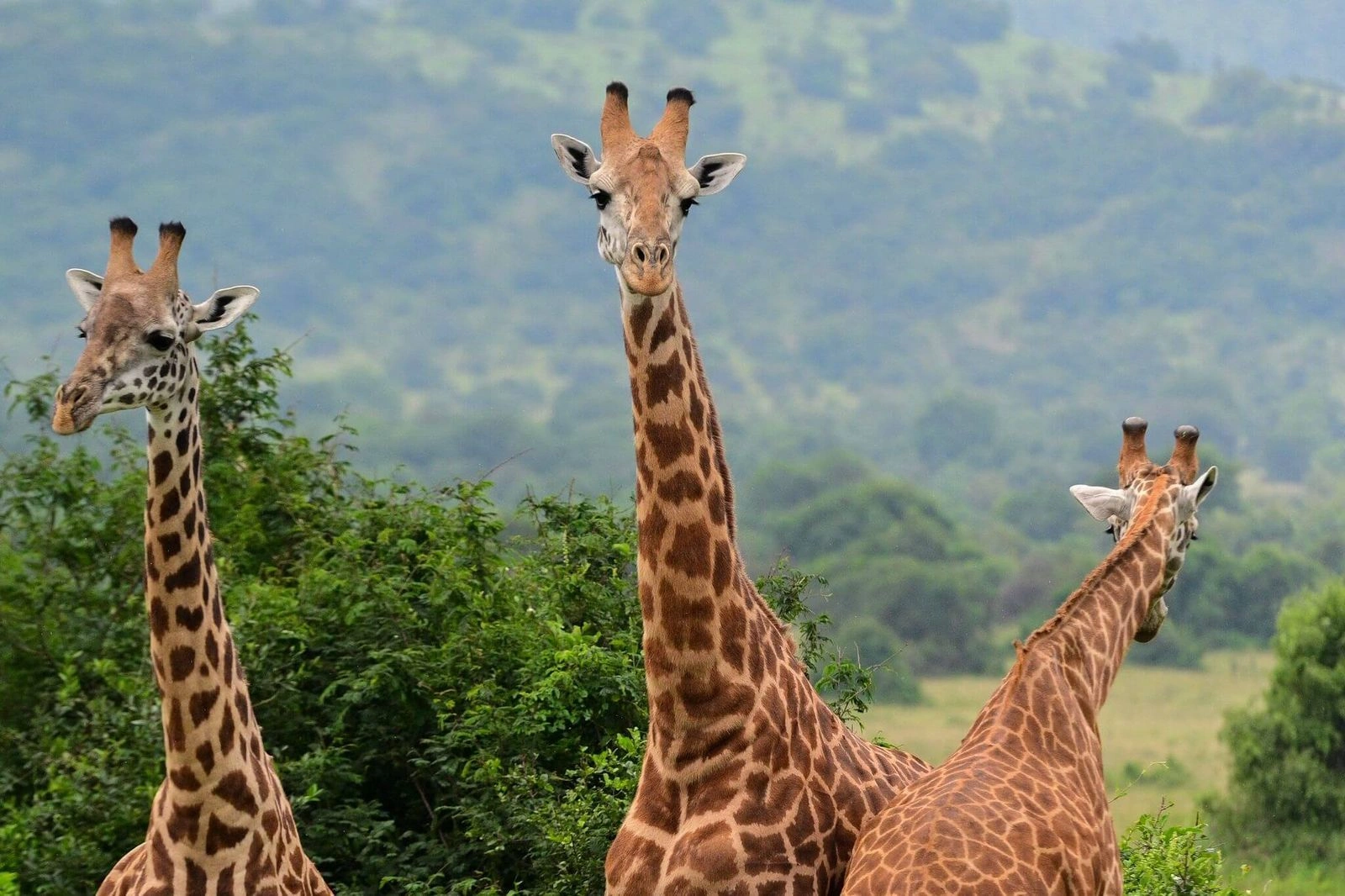
Best time to visit Uganda.Uganda straddles the equator and enjoys a year-round tropical climate that makes it one of Africa’s most accessible safari destinations regardless of when you travel — but knowing how the seasons work, what they mean for different parks and experiences, and which months deliver the best conditions for gorilla trekking, game drives, chimpanzee tracking, and self drive road conditions will help you plan a visit that gets the most from every day in the field. Unlike the single-season safari logic of East Africa’s drier destinations, Uganda’s climate is nuanced — the dry season is outstanding for most wildlife experiences but the green season has its own compelling advantages, and the differences between Uganda’s rainy and dry periods are less extreme than in countries like Kenya or Tanzania. Whether you are planning a gorilla trekking adventure at Bwindi Impenetrable National Park, a Big Five safari at Queen Elizabeth National Park, or a complete Uganda self drive safari circuit, this complete seasonal guide tells you exactly when to go and why.
Uganda’s Two Dry Seasons — The Best Overall Time to Visit
Uganda has two dry seasons each year, and both are excellent for self drive safari travel. The long dry season runs from June to September and is widely considered the single best period to visit Uganda for the combination of gorilla trekking, game drives, and general self drive touring. During these months the highland roads to Bwindi and the Kigezi highlands are at their firmest and most reliable, the game tracks inside Murchison Falls National Park and Queen Elizabeth are in excellent condition, savannah grasses are short enough for outstanding game viewing on the Kasenyi plains, and waterholes concentrate wildlife in predictable locations. Gorilla trekking in the dry season is also physically more manageable — the forest trails are less muddy and the steep approach paths to Bwindi’s sectors are easier to navigate without the additional challenge of slippery clay. June to September also coincides with European and North American summer school holidays, which makes it peak season for international visitors — gorilla permits book out months in advance for these dates and accommodation prices are at their highest.
The short dry season from December to February is Uganda’s second-best period for self drive travel and offers broadly similar conditions to the main dry season at generally lower accommodation costs and with greater permit availability. Wildlife viewing is excellent across all parks, road conditions are reliable, and the Virunga volcano views from the Volcanoes Park area across the border in Rwanda are at their clearest. December also brings the added dimension of migrant bird species arriving from the northern hemisphere, swelling Uganda’s already impressive year-round bird list significantly. For visitors with flexibility on timing, the short dry season is often the best value window of the year for a Uganda self drive safari. Our best 4×4 car hire deals for Uganda offer competitive pricing across all seasons, with availability easiest to secure in the short dry season window.
Uganda’s Rainy Seasons — What to Expect and Who Should Visit
Uganda has two rainy seasons: the long rains from March to May and the short rains from October to November. Understanding what these seasons actually mean on the ground — rather than assuming they make Uganda impassable — is important for any self drive visitor considering these dates. Uganda’s rainy seasons do not mean continuous rain all day every day. Rainfall typically comes in intense afternoon or evening downpours of one to three hours, with mornings often clear, sunny, and excellent for game drives and gorilla treks. The overall landscape transforms into a lush, intensely green version of itself that photographers find extraordinarily beautiful — the rolling hills of Bwindi draped in fresh vegetation, the savannah of Queen Elizabeth shimmering with new growth, and the crater lakes reflecting storm-cleaned skies.
The practical challenges of rainy season self driving are real but manageable with the right vehicle and the right preparation. The main tarmac roads between Kigali, Kampala, and the parks remain in good condition throughout the rains, but the gravel approach roads to Bwindi’s Buhoma sector and the game tracks inside Murchison Falls and Akagera can become deeply rutted and slippery after sustained downpours. A Toyota Land Cruiser is strongly recommended over a RAV4 for any park visit during the rainy seasons — its additional ground clearance, torque, and four-wheel drive engagement handle the muddier sections comfortably. The rainy seasons also bring significantly reduced visitor numbers, which means gorilla permits are easier to obtain, accommodation is cheaper, and the sense of private wilderness in the parks is at its most pronounced. Our self drive gorilla trekking packages are available year-round with vehicle recommendations tailored to the season of your visit.
Best Time for Gorilla Trekking at Bwindi
Gorilla trekking at Bwindi is possible in every month of the year — the mountain gorillas of Bwindi do not migrate and are present in the park regardless of season. However, the experience of the trek itself varies considerably between the dry and rainy seasons, and most visitors with flexibility choose the dry season for the more comfortable forest walking conditions. In the dry season from June to September and December to February, the forest trails are firmer, the approach paths to Bwindi’s sectors are less slippery, and the steep gradients of the Nkuringo and Rushaga approach roads are more confidently managed in a 4×4. In the rainy seasons, the forest is extraordinarily green and atmospheric — some visitors find the mist-filled, rain-freshened forest of Bwindi’s wet season more beautiful than the drier months — but the physical challenge of the trek increases significantly on clay-heavy paths after rain. Regardless of season, booking your gorilla permit as far in advance as possible is essential — permits for peak dry season dates sell out six months to a year ahead and even rainy season permits require several weeks notice. Our 3-day Uganda gorilla trekking itinerary is available across all seasons with vehicle and route advice specific to your travel dates.
Best Time for Game Drives — Queen Elizabeth, Murchison Falls, and Kidepo
For game drive experiences across Uganda’s savannah parks, the dry season is unambiguously the best time to visit, and the reasoning is consistent across all three major game drive destinations. At Queen Elizabeth National Park, the dry season concentrates wildlife at predictable water sources, shortens the savannah grasses for better visibility across the Kasenyi plains, and firms up the game tracks for easy navigation. At Murchison Falls, the dry season draws enormous elephant herds to the Nile and concentrates lions on the Delta Track game circuit — the best game drive conditions the park offers all year. At Kidepo Valley National Park in the northeast, the dry seasons of November to February and June to August shrink the Narus River to its dry-season course, concentrating animals at predictable drinking spots and producing the finest lion, elephant, and cheetah sightings of the year. Our 5-day Uganda safari itinerary and 7-day best of Uganda tour are both most powerfully experienced in the dry season, though both deliver outstanding wildlife encounters at any time of year.
Best Time for Chimpanzee Tracking and Birding in Uganda
Chimpanzee tracking at Kibale Forest National Park is excellent year-round, as the Kibale chimp communities are habituated and present in the forest in every season. The dry season produces easier forest walking and better visibility for photography, but the rainy season brings extraordinary birding to complement the chimp tracking — migrant species from the north arrive in October and November, swelling Kibale’s already remarkable bird list and making this one of the finest birding periods in the park. Uganda as a whole is one of Africa’s top birding destinations, with over 1,060 recorded species, and the green season from March to May is considered by serious birders to be the single best period for variety and sightings as both resident and migrant species are active simultaneously. For a combined chimp tracking and birding self drive, our 5-day Uganda primate tour links Kibale with Queen Elizabeth in a single flowing circuit that delivers outstanding wildlife experiences in every season. Explore our complete Uganda safari packages and car hire options, or contact our team today to plan a Uganda self drive safari timed perfectly to your priorities and your calendar.
Related posts

Leave a Comment