
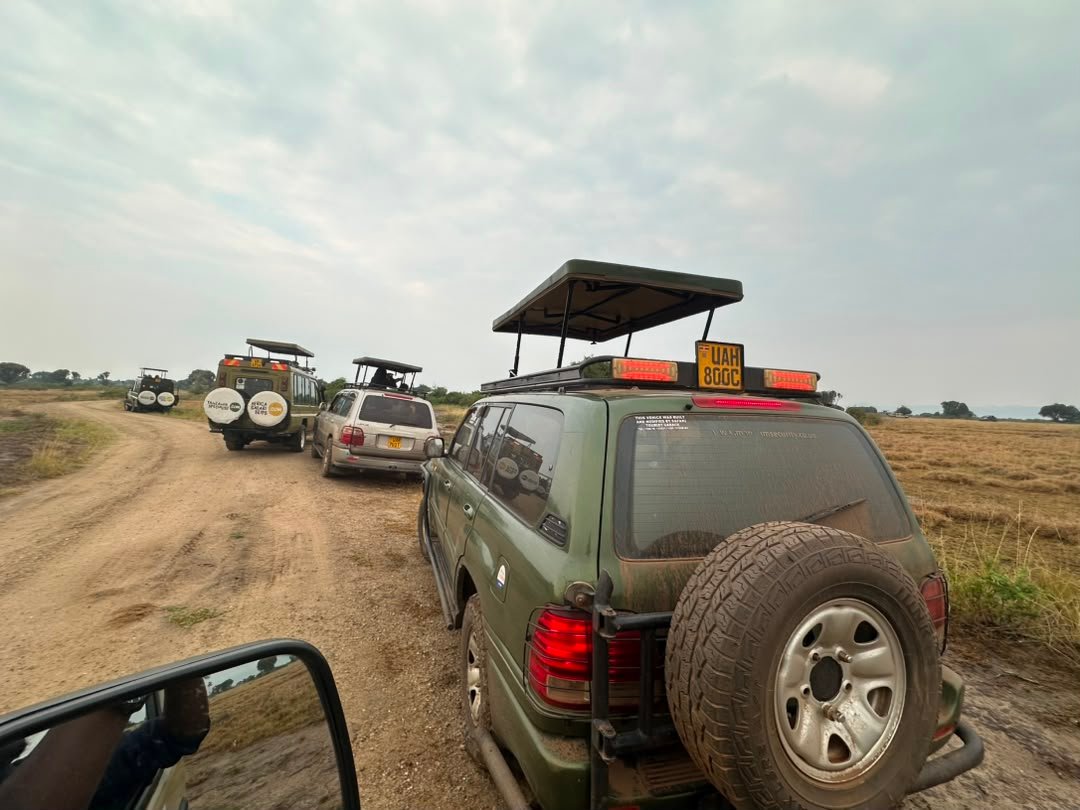
Hiring a car and crossing to Uganda and Rwanda. There is a particular kind of freedom that comes from sitting behind the wheel of a well-equipped 4×4, the road unspooling ahead of you through volcanic highlands or open savannah, with no fixed schedule, no tour group timetable, and no one deciding where you stop or how long you stay. A cross-border self drive road trip between Uganda and Rwanda — two of East Africa’s most rewarding and visually extraordinary destinations — offers exactly that freedom, and it is far more accessible than most travellers realize. This guide covers everything you need to know: how to hire the right vehicle, which border crossings to use, what paperwork is required, what the roads are really like, and how to build an itinerary that makes the most of both countries in a single journey.
Why Hire a Car for a Uganda–Rwanda Cross-Border Trip?
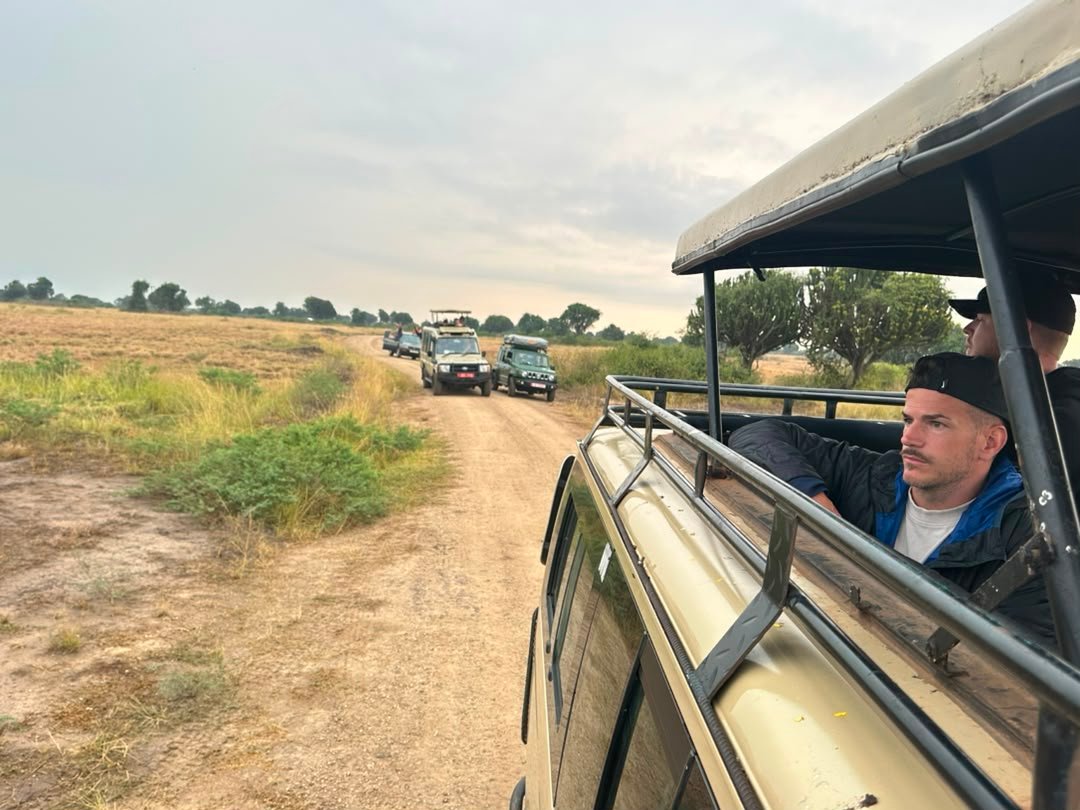
The question of whether to self drive or join an organised tour comes down to one thing: how you want to experience the journey, not just the destination. Guided tours are excellent for travellers who want complete logistical support — a driver, a fixed itinerary, and no administrative responsibility. Self drive is for travellers who want to decide on the morning whether to stay an extra day watching elephants, take a detour to a crater lake viewpoint, or arrive at the gorilla briefing point by their own route.
Uganda and Rwanda sit side by side in the heart of East Africa, connected by well-maintained roads and two frequently used border crossings. The two countries together offer a safari experience that arguably surpasses any single destination on the continent — mountain gorillas in Bwindi, chimpanzees in Kibale, tree-climbing lions in Queen Elizabeth, the thundering power of Murchison Falls, golden monkeys on the slopes of the Virunga Volcanoes, and the Big Five in Akagera. A cross-border self drive lets you visit all of these at your own pace, on your own terms, in one continuous road trip.
At Self Drive Safaris Uganda, we have been equipping travellers for exactly this kind of adventure since 2006. Our vehicles are fully cross-border permitted for Uganda and Rwanda travel, and our team handles all the documentation in advance so that your border crossing is as smooth as possible. Browse our full car hire and self drive options to see what’s available for your travel dates.
Choosing the Right Vehicle for Cross-Border Travel
Vehicle selection is the foundation of a successful Uganda–Rwanda road trip, and the rule here is simple: do not underestimate the terrain. Both countries have excellent main roads connecting their major towns and national park entrances, but once you are inside a national park — or on secondary routes between smaller destinations — conditions can change rapidly. Seasonal rains turn unpaved tracks into deeply rutted mud channels. Bwindi Impenetrable Forest’s access roads are steep and slick in wet conditions. Nyungwe Forest’s trail networks require ground clearance. Even on Akagera’s internal game drive roads, a saloon car will struggle where a 4×4 feels entirely comfortable.
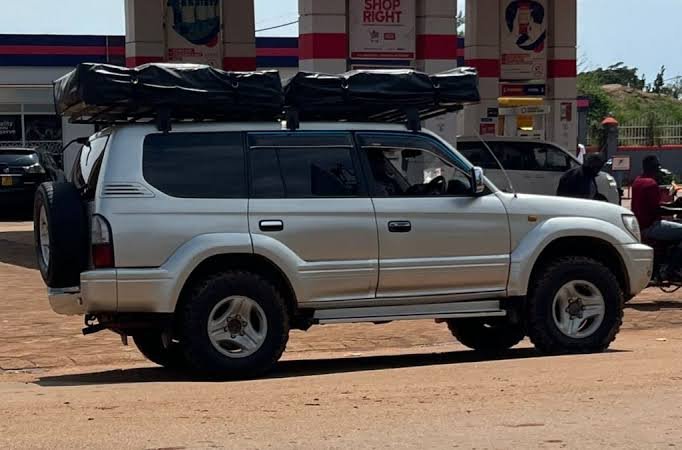
For a Uganda–Rwanda cross-border trip, we recommend a minimum of a Toyota RAV4 for travellers sticking strictly to sealed roads and main park entrances. For anyone planning to venture off the main routes — into Kibale, Murchison, Bwindi, or Nyungwe — a full-size 4×4 such as a Toyota Land Cruiser (70 Series or Prado) is the right choice. Our fleet includes both options, as well as Land Cruisers fitted with rooftop tents and camping equipment for travellers who want to stay inside the parks or at remote bush campsites.
All vehicles come with comprehensive insurance, a full mechanical check before departure, a spare tyre and recovery kit, and 24-hour roadside support. We also provide a detailed vehicle briefing and a country-specific driving guide before you collect the car.
Cross-Border Documents: What You Actually Need
This is the section most self drive travellers worry about unnecessarily. The Uganda–Rwanda border is well-practised at handling private vehicles, and with the right paperwork — all of which we prepare in advance — the crossing is straightforward. Here is exactly what you need:
A cross-border vehicle authorisation letter from the car hire company, giving you written permission to take the vehicle across the border. This is essential and non-negotiable — without it, border officials will not allow the vehicle to cross. All vehicles from Self Drive Safaris Uganda come with this document as standard for cross-border rentals.
COMESA (Common Market for Eastern and Southern Africa) insurance — a regional third-party vehicle insurance valid across all COMESA member states, including Uganda, Rwanda, Kenya, and Tanzania. This can be purchased at the border or arranged in advance. We strongly recommend arranging it before you travel to avoid queues. Our team handles this as part of the cross-border vehicle package.
Your valid national driving licence and, for most nationalities, an International Driving Permit (IDP). Rwanda and Uganda both recognise IDPs alongside national licences. Check your home country’s requirements before departure — IDPs are typically issued by your national motoring association and take only a few days to obtain.
Tourist visas for both countries. Uganda’s e-visa is available online through the Uganda Immigration e-visa portal and costs USD $50 for most nationalities. Rwanda similarly offers an e-visa at irembo.gov.rw, or you can apply for the East African Tourist Visa — a single visa covering Rwanda, Uganda, and Kenya at USD $100, valid for 90 days and multi-entry. This is the most cost-effective option for a cross-border road trip and is strongly recommended.
A valid Yellow Fever Vaccination Certificate is mandatory for entry into both Uganda and Rwanda and will be checked at the border. Ensure yours is in your travel documents before you leave home.
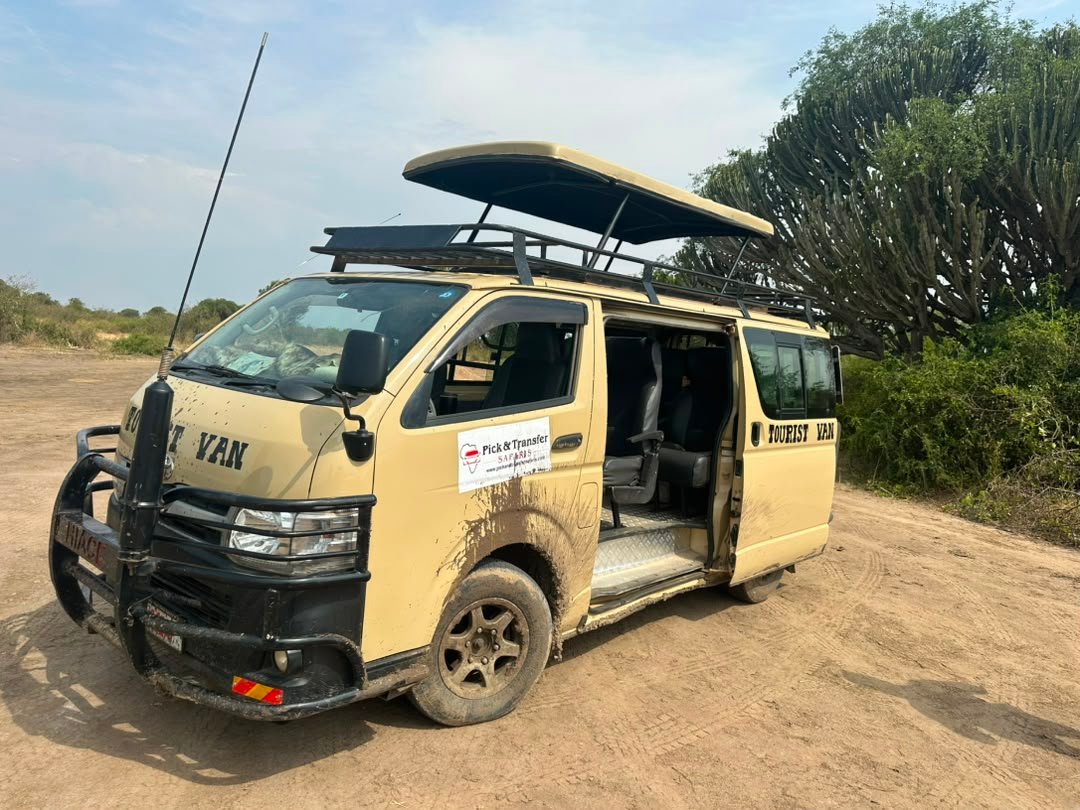
For travellers also combining a gorilla safari into Uganda via Kigali, our partner Pick and Transfer Safaris can assist with gorilla permit procurement and guided extensions that dovetail seamlessly with your self drive itinerary.
The Border Crossings: Katuna/Gatuna and Cyanika/Kisoro
There are two main crossing points for private vehicles between Uganda and Rwanda, and choosing the right one depends entirely on where you are heading.
Katuna (Uganda) / Gatuna (Rwanda) is the busiest and most straightforward crossing, located approximately 400 km south-west of Kampala and 80 km north of Kigali. It sits on the main paved highway connecting the two capitals and handles both commercial and private traffic. Allow 1–2 hours for immigration, vehicle documentation, and insurance checks. This border is your go-to crossing if you are travelling between Kampala and Kigali, or heading to Akagera National Park from Uganda. The road on both sides is fully sealed and in excellent condition.
Cyanika (Rwanda) / Kisoro (Uganda) is the crossing used by travellers heading directly to or from Volcanoes National Park in Rwanda or Bwindi/Mgahinga in Uganda. This is a quieter, more scenic crossing set among the volcanic highlands of the Virunga region, and it is significantly more convenient for primate safari travellers than routing via Katuna. The road between Musanze and Cyanika is sealed; the Ugandan side between Kisoro and Bwindi involves some unpaved stretches, making a capable 4×4 advisable. This is the crossing used by our self drive gorilla safari packages departing from Rwanda.
Both crossings are open daily. There are no scheduled closing times for private vehicles, though crossing during daylight hours (7am–6pm) is strongly advised to avoid complications.
What the Roads Are Really Like
Rwanda’s road network is genuinely impressive by East African standards — the main arteries connecting Kigali to Musanze, Huye, and Rusumo are sealed, well-marked, and maintained. Rwanda also enforces traffic laws strictly, with speed cameras on major routes, and the culture of civic pride that makes Kigali one of Africa’s cleanest cities extends to road behaviour. Driving in Rwanda feels safe and predictable for first-time visitors to the region.
Uganda’s roads are more variable. The Kampala–Mbarara highway and the roads connecting Mbarara to Kabale, Queen Elizabeth, and Fort Portal are sealed and in generally good condition. The road north to Murchison Falls is sealed as far as Masindi and reasonable beyond. The access roads into Kibale, Bwindi, and the Ishasha sector of Queen Elizabeth involve unpaved stretches — manageable in dry season in a RAV4, but requiring a proper 4×4 in the rains. Kidepo Valley National Park in Uganda’s far north requires a genuinely capable off-road vehicle and should only be attempted in a Land Cruiser.
Fill up with fuel whenever you see a station — within national parks, there are no fuel facilities. The app Maps.me, downloaded offline before you leave, is the most reliable navigation tool for rural Uganda and Rwanda. Google Maps works well in more populated areas.
Building Your Cross-Border Itinerary
A well-sequenced Uganda–Rwanda road trip can cover both countries’ greatest highlights in 10–15 days. A logical routing from Entebbe or Kampala might take you north to Murchison Falls for 2–3 days, south through the crater lake district to Kibale and Fort Portal for 2 days, then to Queen Elizabeth National Park for 2 days, and finally to Bwindi for the gorilla trek before crossing at Cyanika into Rwanda for Volcanoes National Park’s golden monkey trekking and the long drive east to Akagera for savannah game drives, finishing in Kigali. This is essentially the structure of our popular 10 Days Rwanda Uganda Safari — available as a guided tour or as a self drive framework.
For those needing guided primate safari options within the same trip, Pick and Transfer Safaris offers specialist Rwanda packages including the 5 Days Best of Rwanda Primate Safari and the comprehensive 10 Days Rwanda Wildlife Gorilla and Cultural Tour — both of which can be combined with a Uganda self drive leg. Our contact team is experienced in building hybrid itineraries that mix self drive flexibility with guided expertise exactly where it adds the most value.
One Final Thought: Gorilla Permits
Whether you are trekking gorillas in Uganda’s Bwindi Impenetrable National Park (USD $800 per permit) or Rwanda’s Volcanoes National Park (USD $1,500 per permit), advance booking is critical. Permits are strictly limited — eight per habituated gorilla family per day — and they sell out months ahead during peak season. Booking your permit before finalising your vehicle hire and travel dates is essential, not optional. Pick and Transfer Safaris can arrange permits for both Uganda and Rwanda as part of their packages, and our self drive team will align your vehicle rental and crossing dates around your confirmed permit date. The road to the gorillas starts here.
Related posts

Leave a Comment