
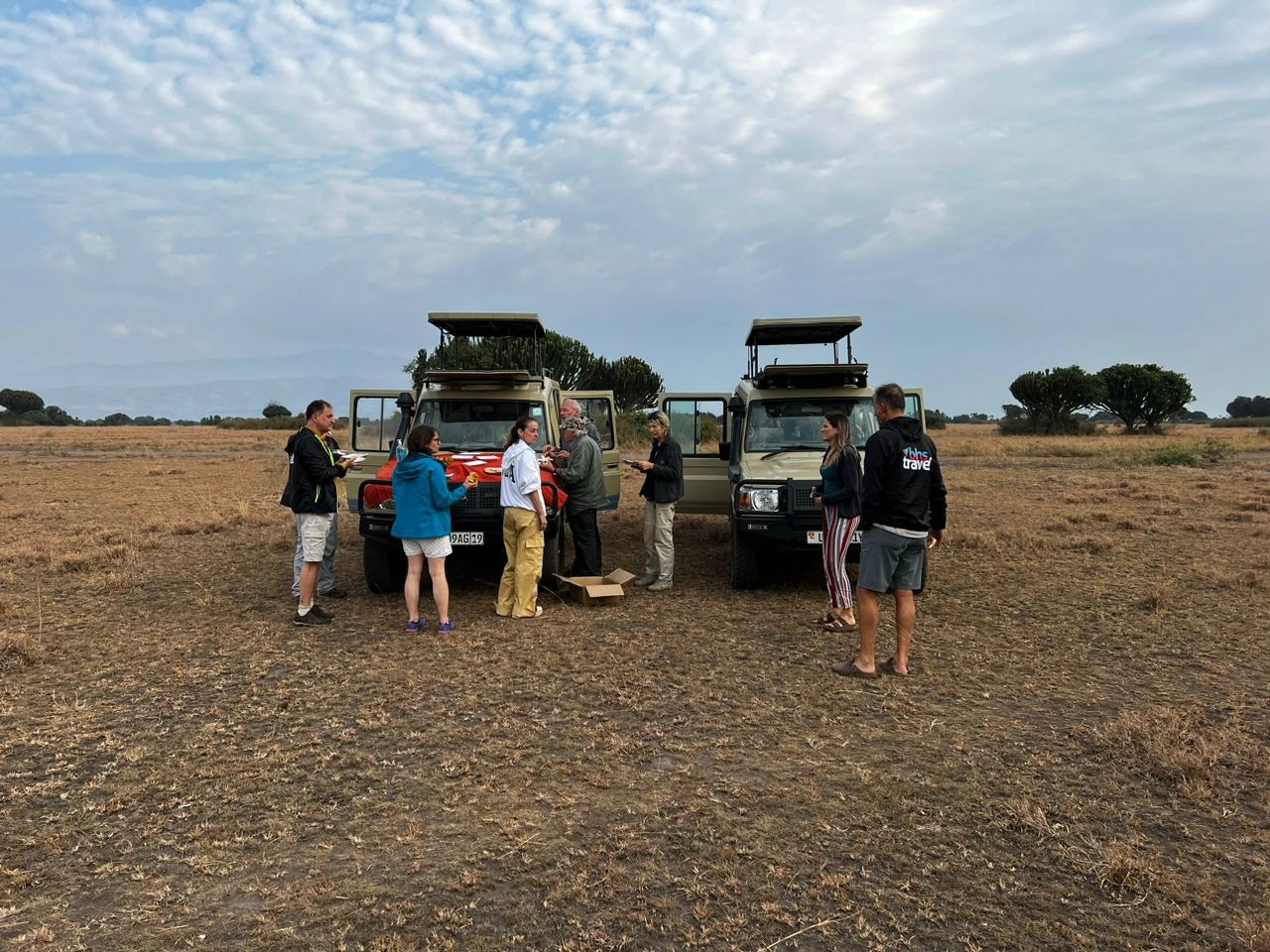
Uganda in January for self drivers.January is one of the most underrated months to visit Uganda as a self drive visitor — sitting squarely inside the short dry season that runs from December to February, it combines excellent road conditions, reliable wildlife viewing, good gorilla trekking weather, and significantly lower visitor numbers than the peak June to September window. The parks are quieter, gorilla permits are more available, accommodation costs are lower, and the landscape — refreshed by the November short rains but drying out beautifully by January — is at its most photogenic. For self drive visitors planning around school term times, New Year breaks, or simply looking for a high-quality Uganda safari at better value than the peak summer season offers, January is one of the genuinely excellent months to be on the road in Uganda. This guide covers everything self drive visitors need to know about Uganda in January — weather, road conditions, wildlife, gorilla permit logistics, and the parks that deliver their best experiences in this particular month.
January Weather in Uganda — What to Actually Expect
Uganda in January sits at the heart of the short dry season, and the weather across most of the country is warm, predominantly dry, and well-suited to both driving and outdoor activities. Daytime temperatures in Kampala and the central lowlands typically range from 24 to 28 degrees Celsius, while the highlands of Bwindi, Kigezi, and the Virunga foothills are noticeably cooler — often dropping to 10 to 14 degrees Celsius at night, making a warm fleece or light jacket essential for evenings and early morning gorilla trek starts. Rainfall in January is generally low and sporadic — brief afternoon showers are possible but sustained all-day rain is unusual — and the mornings are typically clear with good visibility for photography and game drives. The Virunga volcano views from Musanze in Rwanda and from the Uganda side of the Cyanika crossing are often at their sharpest in January, when the post-rain clarity of December has dissipated any lingering haze. For self drive visitors planning a Rwanda and Uganda cross-border safari in January, the weather on both sides of the border is favourable for the full duration of a typical ten-to-fourteen-day road trip.
Road Conditions in January — Excellent for Self Drive Travel
January is one of the best months of the year for self drive road conditions across Uganda. The November short rains have had six to eight weeks to drain from the road network by January, leaving the main tarmac highways between Kampala, Mbarara, Kabale, and Masindi in excellent condition. The gravel approach road from Kabale to Bwindi’s Buhoma sector — one of the most important self drive road sections in the country — is typically firm and well-drained in January, manageable in a Toyota RAV4 Safari without the concerns that apply during the March to May rainy season. The game tracks inside Queen Elizabeth National Park’s Kasenyi sector and Murchison Falls National Park’s northern circuit are in good shape, allowing confident navigation and the slow, exploratory game drive pace that produces the best wildlife sightings. For the more demanding approach roads to Bwindi’s Nkuringo and Rushaga sectors, and for the long drive to Kidepo Valley National Park in the northeast, a Toyota Land Cruiser remains the recommended vehicle regardless of season — but January’s firm road surfaces make these journeys significantly more straightforward than the rainy season equivalent. View our Uganda self drive fleet for current vehicle availability and specifications for January travel.
Gorilla Trekking in January — Good Conditions and Better Permit Availability
January is an excellent month for gorilla trekking at Bwindi Impenetrable National Park, and for many visitors it represents the ideal compromise between favourable trekking conditions and manageable permit competition. The forest trails are drier than in the rainy season, the steep approach paths to the Nkuringo and Rushaga sectors are more confidently navigable, and the mountain gorillas — year-round residents of Bwindi’s ancient forest — are as active and accessible in January as in any other month. Gorilla permits for January are significantly more available than for the peak June to September period, when permits for the most popular sectors can sell out six months to a year in advance. January permits can often be secured two to three months ahead — sometimes less for the less visited Ruhija sector — which gives more flexible travellers the option of planning a Uganda gorilla trek without the year-ahead booking commitment that peak season demands. The Uganda Wildlife Authority’s current permit price of $700 USD per person applies year-round with no seasonal variation, making January gorilla trekking identical in cost to peak season but with lower accommodation prices and fewer trekkers on the trails. Our 3-day Uganda gorilla trekking itinerary is one of the most popular January self drive options, and our gorilla trekking safari packages cover permit booking logistics for this and all other months in detail.
Wildlife Viewing in January — What to Expect in Each Park
Uganda’s national parks deliver strong wildlife viewing in January across all major species, and the combination of dry season vegetation and settled weather makes game drives in this month reliably productive. At Queen Elizabeth National Park, the Kasenyi plains are in excellent condition for lion and elephant sightings in January — the grass is short enough for clear lines of sight across the savannah, and the lion prides that hunt the open plains are highly active in the cooler morning temperatures. The Kazinga Channel boat cruise delivers its usual extraordinary density of hippos, crocodiles, and waterbirds in January, and the Ishasha tree-climbing lions in the park’s southern sector are well worth the drive for a January morning game drive. At Murchison Falls National Park, January is one of the finest months for elephant viewing — large herds concentrate on the northern bank game tracks as the dry season progresses, and the combination of elephant, giraffe, lion, and waterbirds on the Delta Track circuit is outstanding. At Kidepo Valley National Park, January sits in the peak of the dry season wildlife concentration in the Narus Valley, producing some of the finest cheetah, lion, and elephant sightings of the year at Uganda’s most remote and most rewarding park.
Chimpanzee Tracking and Birding in January
Chimpanzee tracking at Kibale Forest National Park is excellent in January — the habituated chimpanzee communities are active and ranging through the forest, the trails are in good condition, and the absence of rainy season mud makes the forest walking more physically enjoyable. January also marks the tail end of the northern hemisphere migrant bird season in Uganda, when the country’s resident 1,060-plus species are supplemented by European and Palearctic migrants that arrive in October and November and begin departing from February onwards. January therefore offers one of the highest species counts of any month for birding enthusiasts, making it a particularly compelling time for self drive visitors combining wildlife safaris with dedicated birding. The Kibale Forest birding combined with Queen Elizabeth’s wetland birds and Murchison Falls’ riverine species makes a January Uganda self drive circuit one of the finest birding road trips available anywhere in Africa. Our 5-day Uganda primate tour combines Kibale chimpanzee tracking and Queen Elizabeth wildlife in a self drive circuit that delivers outstanding results in January conditions.
Planning Your January Uganda Self Drive — Practical Tips
A few January-specific planning habits make the self drive experience in Uganda noticeably smoother. Book your gorilla permits two to three months in advance — January availability is better than peak season but popular sectors like Buhoma and Rushaga still fill up for the best dates. Accommodation prices in January are lower than in June to September, and many lodges offer green season rates through January even though conditions are dry — ask for January pricing when booking as savings can be significant. Pack layers for Bwindi and the Kigezi highlands where January nights are cool — a warm fleece, waterproof jacket, and thermal base layer cover all conditions from pre-dawn gorilla trek starts to warm afternoon drives on the savannah. Start your daily driving by 6:30am to make the most of January’s excellent morning light and to reach park gates early enough for the first game drive of the day. For the full planning picture covering vehicle selection, route logistics, and permit booking across Uganda and Rwanda in January, our guide on how to plan the perfect self drive gorilla safari is the most comprehensive single resource available. Browse our Uganda safari packages, explore our best 4×4 car hire deals, or contact our team today to plan your January Uganda self drive safari.
Related posts

Leave a Comment