
How Much Does a Self-Drive Safari in Uganda Cost? Uganda is widely known as one of Africa’s most rewarding safari destinations — and also one of its most affordable. From the mountain gorillas of Bwindi Impenetrable Forest to the tree-climbing lions of Queen Elizabeth National Park, the thundering Murchison Falls on the Nile, and the remote wilderness of Kidepo Valley, the Pearl of Africa delivers extraordinary wildlife experiences at a fraction of the cost of neighbouring Kenya or Tanzania. But before you pack your bags and grab the steering wheel, one of the first and most important questions to answer is: how much will a self-drive safari in Uganda actually cost?
The honest answer is that costs vary quite widely depending on your vehicle choice, the length of your trip, the parks you visit, and your accommodation style. This guide breaks down every major cost category clearly and honestly, so you can plan your budget with confidence and avoid surprises on the road. For personalised route planning and ground logistics support, Pick and Transfer Safaris is the trusted partner to contact before you depart.
The Cost of Hiring a Car for a Self-Drive Safari
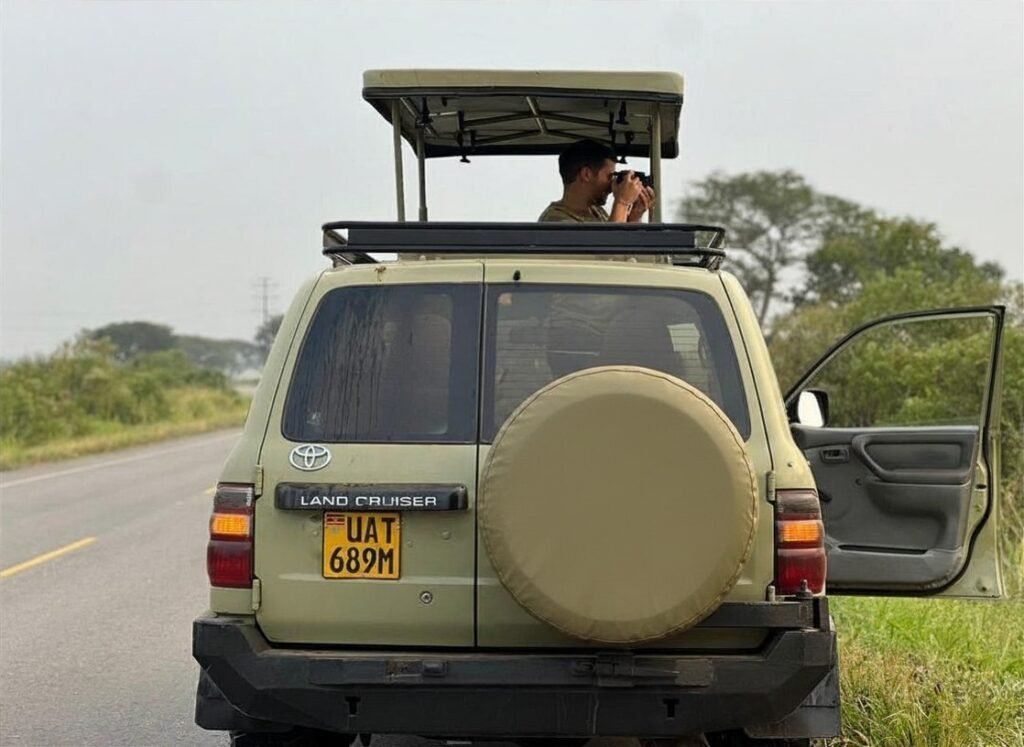
Your vehicle is the single largest cost on any self-drive safari in Uganda, and it is also the decision that most directly determines the quality and safety of your experience. For any trip involving national parks, a 4×4 vehicle is not optional — it is essential. The tracks inside Bwindi, Murchison Falls, Kidepo, and Queen Elizabeth National Park are unpaved, often steep, and become deeply rutted and muddy during the rainy seasons. A saloon car will not manage them safely or reliably.
Here is a realistic breakdown of typical daily car hire rates in Uganda:
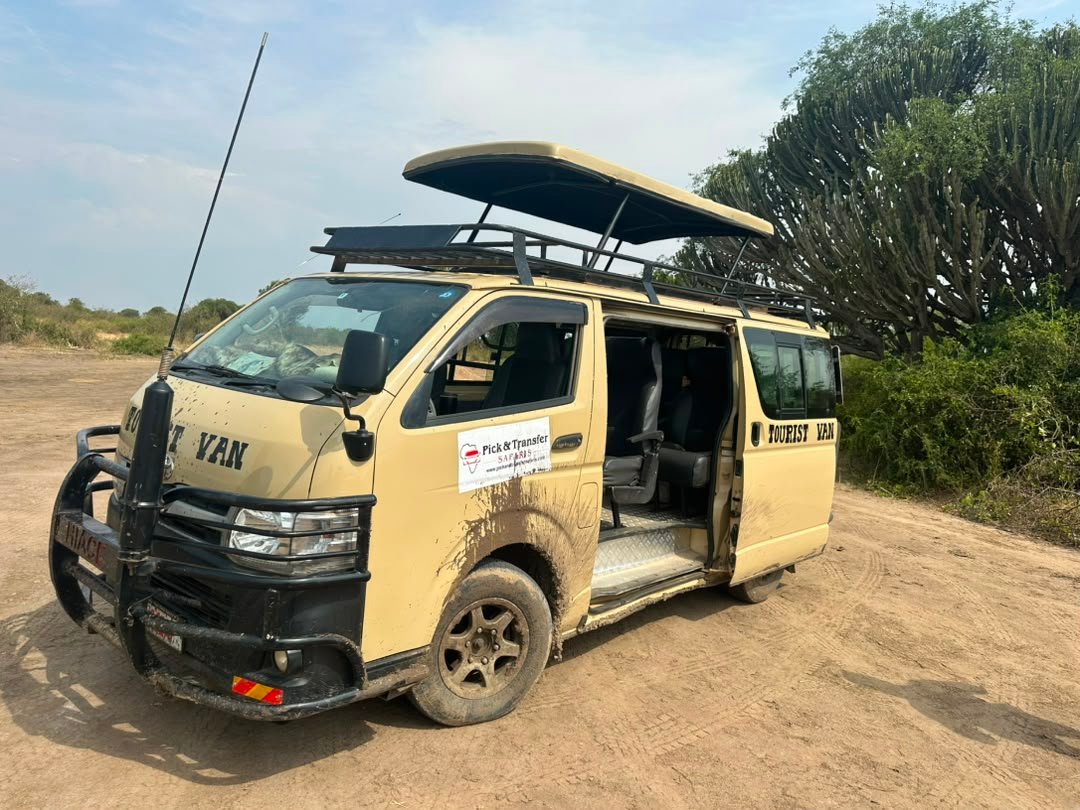
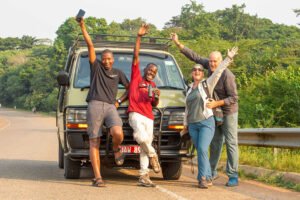
A budget Toyota RAV4 for city driving or light off-road use starts from around $40 to $50 per day. A Toyota Land Cruiser Prado — the most popular choice for self-drive park safaris — ranges from $80 to $120 per day depending on the operator, season, and included extras. A fully equipped Land Cruiser V8, ideal for larger groups or more demanding terrain, typically costs from $130 to $180 per day. A rooftop tent Land Cruiser with full camping gear runs from $90 to $150 per day and is an excellent option for travellers who want to camp inside or near the parks to reduce accommodation costs. Safari vans with pop-up game-viewing roofs, which are well-suited for groups of five to nine people, are available from around $90 to $120 per day.
These rates are for the vehicle only and generally do not include fuel. Fuel costs are a significant additional consideration — as of 2026, petrol in Uganda costs approximately $1.40 to $1.60 per litre, and a Land Cruiser Prado consumes considerably more fuel on rough terrain than on tarmac. Budget for fuel separately and plan your fill-up stops carefully, as petrol stations are plentiful on major highways but scarce on remote routes to Kidepo or Bwindi’s Nkuringo sector. Mumwe Safaris Uganda
Booking through a reputable operator like Pick and Transfer Safaris ensures your vehicle is fully serviced, insured, and equipped with a spare tyre, jack, and recovery gear before you leave — details that matter enormously once you are deep in a national park far from the nearest town.
National Park Entry Fees
Park entry fees are a mandatory cost on top of your car hire and fuel, and they add up quickly if you are visiting multiple parks. Uganda Wildlife Authority (UWA) fees are standardised across the country’s national parks. For foreign non-residents, the standard daily park entry fee is $40 per person per day at most parks including Queen Elizabeth, Murchison Falls, Lake Mburo, and Kidepo Valley. Entry fees at Kibale National Park and Bwindi Impenetrable Forest are included within the cost of activity permits such as chimp tracking and gorilla trekking, so no separate entrance fee applies for those parks.
Your vehicle will also be charged a separate daily vehicle entry fee into each national park, typically ranging from $20 to $40 depending on the park and vehicle type. Factor this into your daily budget alongside the per-person entry fees for every member of your group.
Gorilla Trekking Permits — The Biggest Single Cost
If gorilla trekking in Bwindi Impenetrable National Park is on your itinerary — and for most Uganda visitors it absolutely should be — the gorilla permit is the largest individual cost you will encounter. In Uganda, the cost of a standard gorilla permit is US$800 per person for foreign non-residents, with lower fees for East African citizens and African passport holders. This permit grants you entry to one trekking experience and one hour in the presence of a habituated mountain gorilla family. SafariBookings
This fee is set by the Uganda Wildlife Authority and includes park entry fees, ranger guides, and security during the trek. It does not, however, include transport to the park, accommodation, meals, or any other activity. For a couple trekking together, that is $1,600 in permits alone — which is why planning the rest of your self-drive budget carefully around this cost is so important. Roadsofadventuresafaris
For those wanting a longer, more immersive experience, the gorilla habituation permit — which grants four hours with a gorilla family instead of one — costs $1,500 per person. This is a remarkable experience for serious wildlife enthusiasts, but it significantly increases the per-day cost of your safari.
Self Drive Safaris Uganda provides detailed guidance on how and when to book gorilla permits, which Bwindi sectors are best suited to different fitness levels, and how to structure your itinerary to get maximum value from your permit.
Chimpanzee Tracking and Other Activity Permits
Gorillas are just one part of Uganda’s extraordinary primate experience. Chimpanzee tracking in Kibale National Park is one of the world’s premier primate encounters and costs $200 per person per trek for foreign non-residents. Kibale is also easily combined with a Queen Elizabeth National Park game drive on the same road trip, making it excellent value in terms of wildlife density per kilometer driven.
Other activity costs to budget for include guided nature walks at $10 to $30 per person depending on the park, boat cruises on the Kazinga Channel or the Nile at Queen Elizabeth and Murchison Falls respectively ($30 to $40 per person), and sport fishing on the Nile near Murchison Falls. These activities are not included in park entry fees and should be budgeted individually for each day of your trip.
Accommodation Costs on a Self-Drive Safari
Accommodation in Uganda ranges enormously in price, which means your nightly budget is almost entirely within your control. Budget travellers staying in basic guesthouses or bandas inside or near national parks can expect to spend as little as $20 to $50 per person per night. Mid-range lodges with comfortable en-suite rooms, reliable hot water, and good meals typically charge $80 to $200 per person per night. Luxury tented camps and premium safari lodges — particularly those inside or bordering Bwindi, Queen Elizabeth, and Murchison Falls — range from $250 to $600 and above per person per night, often on a full-board basis.
For self-drive travellers who have hired a rooftop tent vehicle or brought camping gear, camping inside Uganda’s national parks is a genuinely affordable option at around $10 to $30 per person per night at designated UWA campsites. This approach dramatically reduces the accommodation portion of your budget and puts you right in the heart of the wilderness — falling asleep to the sound of hippos in a nearby river is an experience no lodge can quite replicate.
Fuel, Food, and Daily Expenses
Beyond the major fixed costs of car hire, permits, and accommodation, a realistic daily self-drive budget should account for fuel at roughly $80 to $120 per day for a Land Cruiser covering inter-park distances, meals at $15 to $40 per person per day depending on whether you are self-catering or eating at lodge restaurants, and miscellaneous expenses like souvenirs, tipping guides and rangers ($10 to $20 per guide per activity is standard), and SIM card data for navigation.
A security deposit for your rental vehicle — typically ranging from $200 to $500 — will also be held by the car hire company and returned at the end of your trip provided the vehicle is returned undamaged. Always clarify the deposit amount and the insurance excess policy before signing your rental agreement.
What Does a Full Self-Drive Safari in Uganda Cost in Total?
To bring all of this together practically, here is a realistic total cost estimate for a 7-day self-drive safari for two people visiting Kibale National Park, Queen Elizabeth National Park, and Bwindi Impenetrable Forest — one of Uganda’s most popular circuits.
Car hire for a Land Cruiser Prado for seven days comes to approximately $700 to $840. Fuel for the circuit — roughly 800 to 1,000 kilometres total — adds around $200 to $280. Two gorilla permits account for $1,600. Two chimpanzee tracking permits at Kibale add $400. Park entry fees across three parks for two people over seven days run to approximately $560. Mid-range accommodation for seven nights for two people averages $560 to $1,400 depending on lodge choice. Meals, boat cruises, nature walks, and daily expenses add approximately $400 to $600.
The total for this seven-day circuit for two people falls in the range of $4,020 to $5,120, with gorilla permits making up the largest single component. Budget travellers who camp, self-cater, and skip the habituation experience can bring this figure down to around $3,200. Those choosing luxury lodges and both gorilla and chimp habituation experiences can expect to spend considerably more.
For full itinerary planning, permit booking assistance, and vehicle hire across this circuit and beyond, Pick and Transfer Safaris offers comprehensive support to ensure every kilometre of your self-drive safari delivers maximum value and zero stress.
Tips to Save Money on Your Uganda Self-Drive Safari
Travel during the shoulder seasons of June and January, when accommodation rates are lower and the parks are less crowded. Book your gorilla permits as far in advance as possible — they sell out months ahead during peak season, and last-minute alternatives simply do not exist. Opt for a diesel vehicle over petrol where possible, as diesel is typically cheaper per litre and gives better range on long inter-park drives. Share the vehicle and fuel costs with travel companions, as the per-person cost drops significantly with a group of three or four. Camp inside national parks at UWA campsites where facilities exist, dramatically cutting your nightly accommodation spend.
Visit Self Drive Safaris Uganda for detailed itinerary guides, updated park fee schedules, and expert route planning advice to help you build the most cost-effective self-drive safari possible across the Pearl of Africa.
Finally,
A self-drive safari in Uganda is one of the most extraordinary travel experiences available anywhere in the world, and with careful planning it is also genuinely accessible across a range of budgets. The key is understanding the cost structure clearly from the start — vehicle hire and gorilla permits are the non-negotiable big-ticket items, while accommodation, meals, and activities offer significant flexibility depending on your travel style.
Get in touch with Pick and Transfer Safaris today to discuss your itinerary, get a customised vehicle quote, and ensure your self-drive safari in Uganda is planned to perfection from day one to the moment you hand back the keys.
Related posts

Leave a Comment