
Driving to Bwindi: Everything You Need to Know. There are road trips, and then there are road trips that stay with you for the rest of your life. Driving to Bwindi Impenetrable National Park belongs firmly in the second category. Tucked away in the misty southwestern corner of Uganda, Bwindi is home to almost half of the world’s remaining mountain gorillas, and it is one of the most extraordinary wildlife destinations anywhere on the African continent. For independent travellers who choose to drive themselves there, the journey is as unforgettable as the destination — a winding passage through rolling green highlands, crater lakes, ancient tea estates, and terraced hillsides that eventually dissolve into the dense, primordial forest where the great apes roam.
This guide covers everything you need to know before you turn the key and set off — from the best routes and driving times to road conditions, fuel stops, sector choices, what to pack, and how to make the most of every kilometre. For vehicle hire, airport transfers, and full ground logistics support across Uganda, Pick and Transfer Safaris is the trusted partner to contact before you depart.
Where Exactly Is Bwindi Impenetrable National Park?
Bwindi Impenetrable National Park lies in the southwestern corner of Uganda, near the borders of Rwanda and the Democratic Republic of Congo. The park covers approximately 321 square kilometres of dense montane and lowland forest, spans the districts of Kisoro, Kabale, and Kanungu, and sits on the edge of the Albertine Rift — one of Africa’s most biodiverse regions. It was gazetted as a national park in 1991 and designated a UNESCO World Heritage Site shortly after, in recognition of both its extraordinary biodiversity and its critical role in protecting the endangered mountain gorilla.
Understanding Bwindi’s geography is important before you drive, because the park is divided into four distinct trekking sectors — Buhoma, Ruhija, Rushaga, and Nkuringo — and the route you take will depend entirely on which sector your gorilla permit is issued for. The sectors are located on different sides of the park and are two to three hours apart by road, so choosing the wrong approach can cost you a significant amount of time and fuel. Read our full guide to gorilla trekking in Uganda to understand which sector suits your itinerary best before booking your permit.
How Long Is the Drive from Kampala or Entebbe?
The distance from Kampala to Bwindi ranges between 460 to 540 kilometres depending on the sector you are visiting, and travel time usually falls between 8 to 10 hours. This is a full day of driving, and attempting to cover the entire distance in one push without an overnight stop is not recommended — particularly if you are unfamiliar with Uganda’s roads or arriving on an international flight the same day.
Most experienced drivers split the journey across two days, stopping overnight in Mbarara — Uganda’s second largest city and a comfortable, well-serviced town at the natural halfway point of the drive. Leaving Kampala or Entebbe in the early morning, reaching Mbarara by early afternoon, resting overnight, and then completing the final leg to your chosen Bwindi sector the following morning is the approach that experienced self-drivers consistently recommend. It keeps you off the mountain roads in fading light, allows you to fully appreciate the stunning highland scenery, and arrives you at the park gate rested and ready for your gorilla trek the next day.
For travellers coming from Kigali in Rwanda, the journey to the southern Bwindi sectors of Rushaga and Nkuringo is considerably shorter — approximately three to four hours — making Rwanda an excellent entry point for those combining both countries on a single itinerary. Pick and Transfer Safaris specialises in cross-border transfers and can arrange fully equipped vehicles for Uganda-Rwanda combined road trips. Check our Uganda and Rwanda combined safari guide for full route planning details.
The Main Routes to Bwindi
There are two primary routes from Kampala to Bwindi, and choosing between them depends on which sector you are heading to and how much time you have available.
The most commonly used route runs southwest from Kampala through Masaka, continues to Mbarara, then pushes further southwest through Kabale and the highlands toward either Buhoma in the north of Bwindi or Rushaga and Nkuringo in the south. This is the more accessible and better-surfaced of the two options for most of its length, and it passes through some of Uganda’s most celebrated scenery including the crater lake district around Kabale.
The alternative northern route passes through Mubende and Fort Portal before descending south through the tea estates toward Kanungu and Buhoma. This route is particularly popular for travellers combining Bwindi with Kibale Forest National Park for chimpanzee tracking or with Queen Elizabeth National Park for a classic game drive. For a direct Kampala-to-Bwindi road trip, the southern route via Masaka and Mbarara is the recommended choice.
The road from Kampala to Kabale or Kisoro remains largely paved and in good condition. Once you approach Bwindi, the roads become murram and can feel rough, dusty, or muddy depending on the weather. This final stretch — particularly from Kabale toward Buhoma, or from Kisoro toward Rushaga and Nkuringo — is where a capable 4×4 becomes not just useful but absolutely essential. Explore our self-drive Uganda vehicle guide for detailed advice on choosing the right car for the Bwindi route.
Understanding Bwindi’s Four Sectors
Knowing the difference between Bwindi’s four trekking sectors is critical to planning your drive correctly, because each has its own access road, driving time, accommodation options, and permit availability.
Buhoma, located in northern Bwindi, is the oldest and most popular trekking sector, famous for hosting the park’s first gorilla trek in 1993. It is easily accessible by road from Queen Elizabeth National Park and offers a range of accommodation, from community campsites to luxury lodges. Buhoma is the best choice for first-time visitors who want the most established infrastructure and the easiest road access from the Kampala direction. It hosts three habituated gorilla families and offers 24 permits per day.
Ruhija, perched on Bwindi’s eastern side, is a hidden gem known for its cool, misty climate and breathtaking mountain views. The area is rich in birdlife, making it a paradise for birdwatchers. Self-drivers love Ruhija for its peaceful environment, scenic campsites, and easy connection between Buhoma and Kabale. The roads to Ruhija are rougher than those to Buhoma and demand a confident driver with a capable vehicle, but the reward is one of the most atmospheric and uncrowded sectors in the entire park.
Rushaga, in the southern part of Bwindi, boasts the largest number of habituated gorilla families and offers the unique Gorilla Habituation Experience — a special trek allowing visitors to spend up to four hours with the gorillas. For adventurous travellers driving from Kigali or Lake Bunyonyi, Rushaga provides excellent road access and a range of budget camping options.
Nkuringo, also in the south, is the most challenging yet rewarding sector to reach. Its steep terrain, dramatic ridges, and panoramic views of the Virunga Volcanoes make it perfect for travellers seeking an off-the-beaten-path adventure. The drive here is thrilling, and the camping experience is unmatched for those who love solitude and raw nature.
Road Conditions and What to Expect
Bwindi’s location in the Kigezi Highlands means visitors should anticipate mountainous terrain, steep inclines, and narrow winding roads. Most roads leading to Bwindi are unpaved and can become slippery and muddy, particularly during the rainy seasons of March to May and September to November.
Inside and around the park, roads are narrow and often accommodate only one vehicle at a time in the most heavily forested sections. Wildlife — including monkeys and various forest animals — can appear on the road without warning, so maintaining a moderate speed at all times is both a safety and an ethical requirement. The roads around Bwindi also pass through rural villages, where pedestrians, cyclists, and livestock are familiar sights. Drive slowly through all settlements, yield to foot traffic, and treat every speed bump — and there are many — with respect for your vehicle’s suspension.
The best time to drive to Bwindi is during the dry season, when the roads are not muddy, ensuring safer travel to the home of the endangered mountain gorillas. The dry months are June to September and December to February. That said, Bwindi is a genuine rainforest — mist, drizzle, and sudden showers can occur even in the dry season, and this is part of what makes the forest so primally beautiful. Come prepared for rain at any time of year.
For a detailed breakdown of Uganda’s road seasons and park track conditions, visit Self Drive Safaris Uganda before planning your departure dates.
The Fuel Stop You Must Not Miss
One of the most practical and important pieces of advice for anyone driving to Bwindi is this: fill your fuel tank completely in Kabale. Fill the tank completely there without exception — there are no reliable fuel stations between Kabale and the park. Stock up on snacks, water, and any supplies you need for your lodge stay, as most Bwindi accommodation is deep in the forest with limited access to shops.
Kabale is a well-equipped town with multiple fuel stations, supermarkets, ATMs, and pharmacies. It is the last reliable resupply point before you enter the highlands leading to the park, and treating it as such will save you enormous stress later. If you are heading to the southern sectors via Kisoro, top up again in Kisoro town as well for added security. Pick and Transfer Safaris provides comprehensive pre-departure briefings that include all fuel stop locations, road checkpoints, and resupply towns along the full route to Bwindi.
What Vehicle Do You Need to Drive to Bwindi?
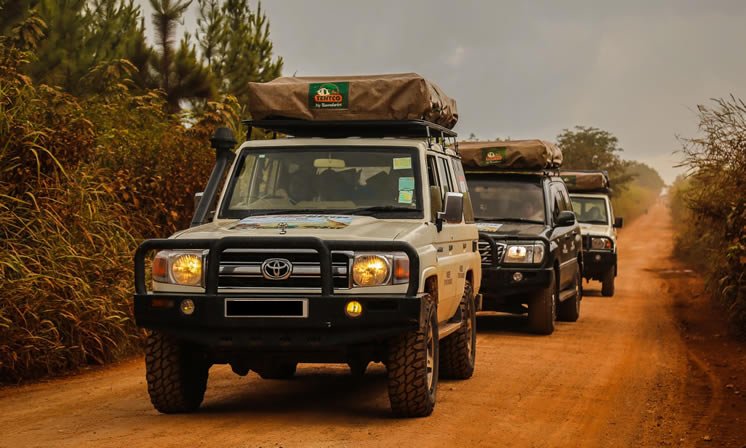
A 4×4 vehicle is non-negotiable for any drive to Bwindi. Bwindi’s terrain is steep, winding, and sometimes slippery, especially after rain. Always use a reliable 4×4 vehicle with good ground clearance and engage low gear on hilly sections. The Toyota Land Cruiser Prado is the most widely recommended vehicle for the Bwindi route — capable, comfortable over long distances, and widely serviceable across Uganda if anything goes wrong. The Toyota Land Cruiser V8 is an excellent choice for larger groups or for those heading to the more demanding Nkuringo or Ruhija sectors.
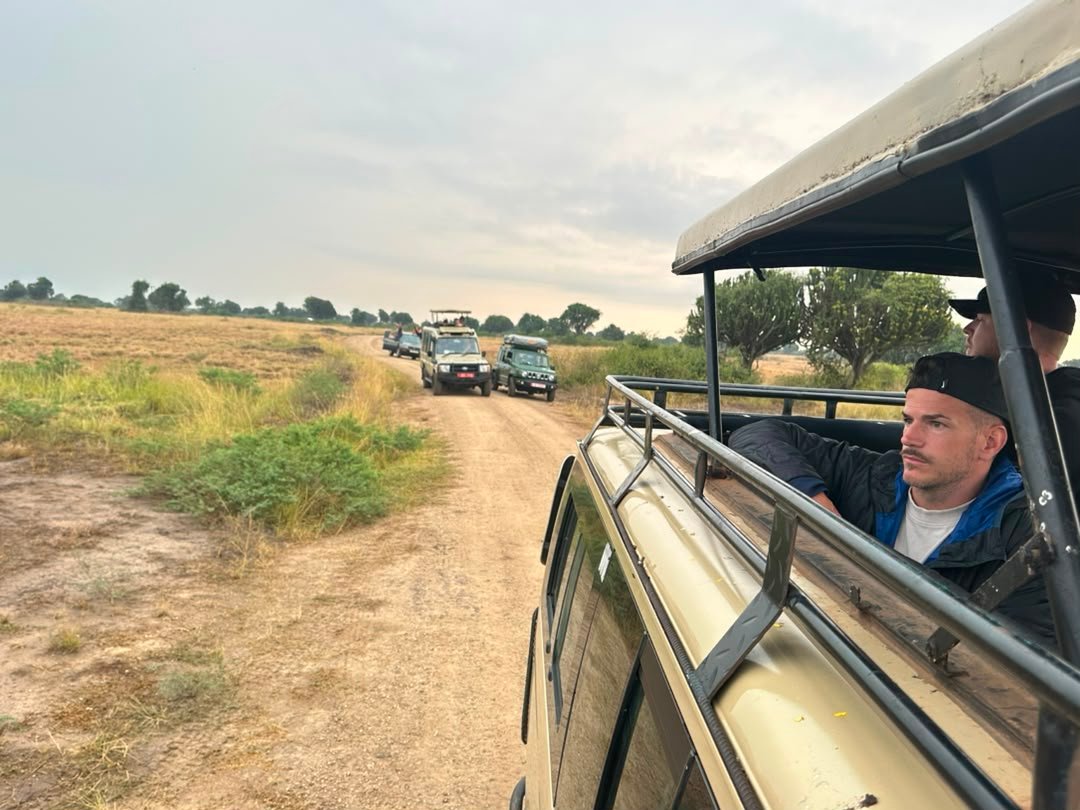
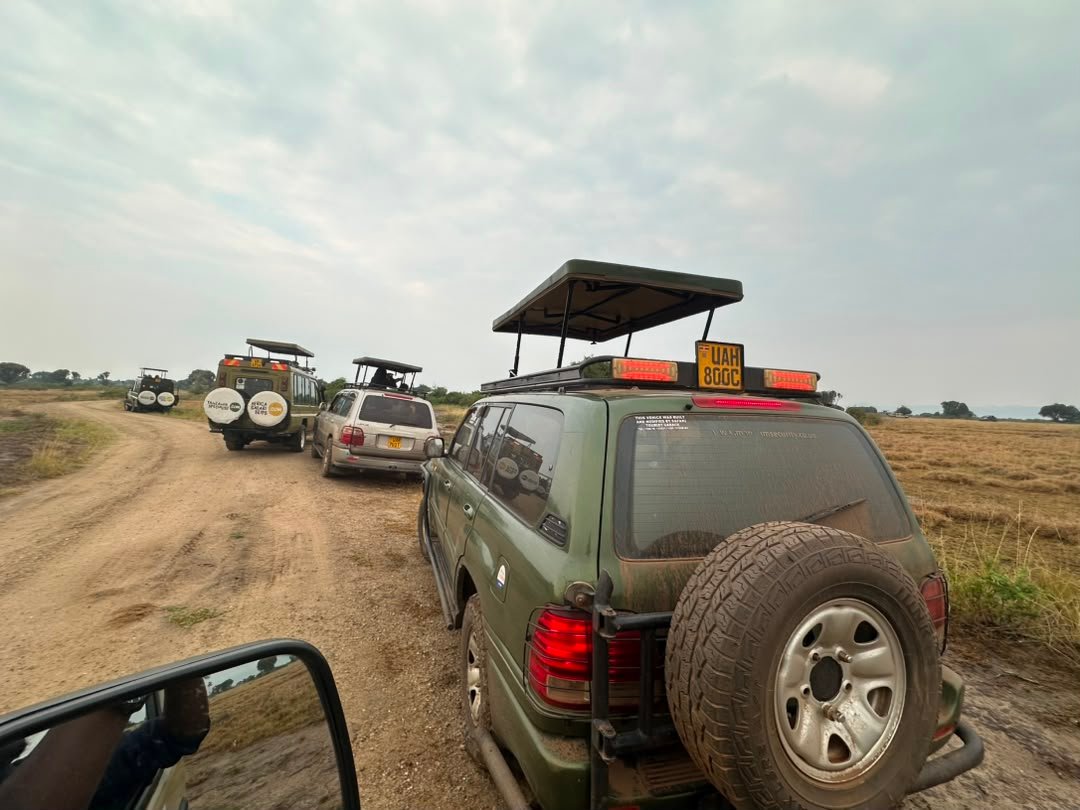
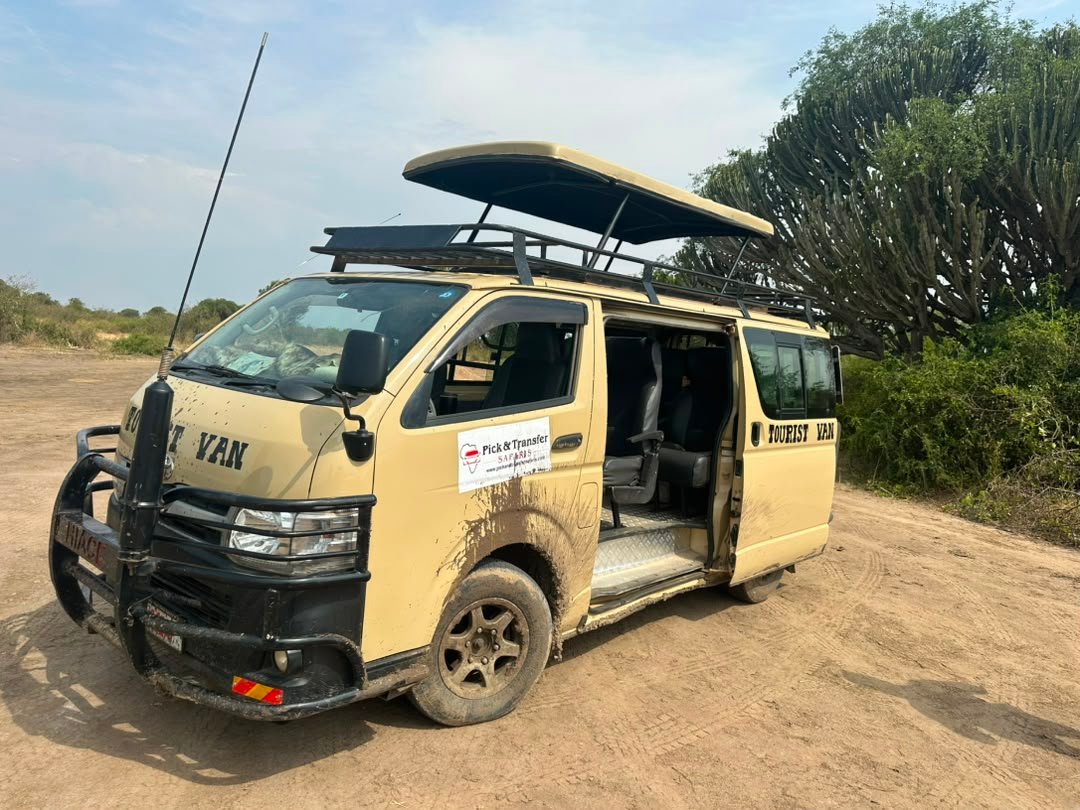
If you are combining Bwindi with Queen Elizabeth National Park for a game drive on the way down, consider booking a Land Cruiser with a pop-up game-viewing roof — the upgrade is minimal in cost but transforms your experience in the open savanna completely. A rooftop tent Land Cruiser is the best option for travellers who want to camp inside or near the park, significantly reducing nightly accommodation costs while keeping you close to the forest atmosphere.
Book your vehicle well in advance, particularly if you are travelling during peak gorilla trekking season from June to September or December to February. Contact Pick and Transfer Safaris for vehicle availability, daily rates, and full safari support across the Bwindi route.
What to Pack for the Drive and the Trek
Essential items to pack for the drive include a valid driving licence, passport, printed copies of gorilla permits, travel insurance documents, the car rental agreement, and park booking confirmations. Carry all of these in a single accessible folder in the cab — you will need them at park gates, police checkpoints, and border crossings if driving from Rwanda.
For the trek itself, pack waterproof hiking boots, long trousers, long-sleeved shirts, gardening gloves, a rain jacket, insect repellent, sunscreen, a refillable water bottle, energy snacks, and a small daypack. A walking stick is often provided at the park headquarters and can be very helpful on steep trails.
For the road trip, carry offline maps, a phone charger, a power bank, a torch, a first-aid kit, and enough cash for fuel, meals, tips, and small purchases in remote areas where card payments may not be accepted. Mobile data is generally available on the main highways but becomes unreliable in the deep forest areas, so downloading offline maps for southwestern Uganda before you leave Kampala or Entebbe is strongly recommended.
Gorilla Permits — Book Before You Drive
You should never make the drive to Bwindi without a confirmed gorilla permit in hand. Book your gorilla permits well in advance. Uganda Wildlife Authority gorilla permits cost USD 800 per person and sell out months ahead, particularly during peak season from June to September and December to February.
Permits are sector-specific and date-specific, meaning your permit is valid only for the sector and date stamped on it. If you arrive at the wrong sector gate or on the wrong day, you will not be admitted for the trek, and no refund is available. On the day of the trek, you will join a small group led by experienced rangers who will brief you on safety and etiquette. Always maintain a ten-metre distance from the gorillas, avoid flash photography, and remain calm and quiet near the family group.
Visit Self Drive Safaris Uganda for step-by-step guidance on booking gorilla permits, understanding sector differences, and combining your Bwindi trek with the rest of your Uganda self-drive itinerary. Pick and Transfer Safaris can also assist with permit coordination as part of a complete ground package.
Combining Bwindi with Other Uganda Destinations
Bwindi’s location in southwestern Uganda makes it a natural anchor point for multi-park itineraries. The most popular circuit combines Queen Elizabeth National Park for game drives and a Kazinga Channel boat cruise, Kibale Forest National Park for chimpanzee tracking, and Bwindi for gorilla trekking — all connected by some of Uganda’s most scenic roads. Lake Bunyonyi, just 30 minutes from Kabale, is an idyllic overnight stop between Kabale and the park that many self-drive travellers build into their itinerary for a night of total tranquillity before their trekking day.
Many travellers also prefer entering through Kigali and driving to the southern Bwindi sectors, which significantly reduces travel time. This route is especially popular for Rushaga and Nkuringo. If you are flying into Rwanda and planning to begin your Uganda safari from Kigali, this is logistically one of the smartest approaches available, and Pick and Transfer Safaris handles the full cross-border vehicle and transfer arrangement seamlessly.
For full self-drive itinerary options linking Bwindi with Uganda’s other national parks, explore the route guides and planning resources at Self Drive Safaris Uganda.
Related posts

Leave a Comment