
What to Pack for a Uganda Self-Drive Safari. A self-drive safari in Uganda is one of the most exhilarating ways to explore the Pearl of Africa. From the sweeping savannah of Murchison Falls National Park and the volcanic highlands around Bwindi to the chimpanzee forests of Kibale and the crater lakes near Fort Portal, Uganda rewards independent travelers with landscapes and wildlife encounters that few places on earth can match. But the experience is only as good as your preparation, and packing correctly for a Uganda self-drive safari can make the difference between a comfortable, confidence-inspiring adventure and an exhausting, avoidable ordeal. This guide covers everything you need to bring — from clothing and footwear to vehicle essentials and gorilla trekking gear — so you arrive fully ready for the road ahead.
The Golden Rule: Pack Light but Pack Smart
Before diving into specifics, the most important principle of packing for a Uganda self-drive safari is this — pack light, but pack purposefully. Your 4×4 vehicle will have limited interior space once you factor in spare tyres, fuel reserves, camera equipment, and food and water supplies for long remote stretches. Overpacking creates clutter, makes the vehicle harder to navigate, and adds unnecessary weight on mountain roads. A 70-litre backpack or a medium hard-shell suitcase per person is a sensible maximum. Soft-sided bags are preferable to hard luggage because they are easier to compress and repack in the vehicle’s boot.
Our car hire and self-drive fleet includes vehicles preloaded with GPS and offline maps, roadside support kits, and spare wheel equipment — so your packing list can focus on personal comfort and safety rather than vehicle mechanics.
Clothing: What to Wear on a Uganda Self-Drive Safari
Uganda sits on the equator, but its climate varies significantly depending on altitude and region. The lowland areas around Murchison Falls and Queen Elizabeth National Park are warm and humid year-round, with daytime temperatures regularly reaching 30°C. The highland areas around Bwindi, Kabale, and Mgahinga can drop to as low as 10°C at night, particularly during the long and short rainy seasons. Your clothing choices need to cover both extremes.
Neutral-coloured clothing is strongly recommended for wildlife viewing and gorilla trekking. Khaki, olive green, brown, and grey tones blend into the bush environment and are far less disruptive to wildlife than bright colours. Avoid white and black — white is too visible and black can attract tsetse flies in certain areas. Pack at least three or four lightweight long-sleeved shirts, which offer sun protection during game drives and an extra layer of warmth in cooler highland evenings. Two or three pairs of lightweight convertible trousers — the kind with zip-off legs — are extremely practical and versatile for both driving and trekking.
A warm fleece or light down jacket is non-negotiable if your itinerary includes Bwindi, Mgahinga, or the Rwenzori foothills. Even in the warmest months, early morning departures and high-altitude evenings can be genuinely cold. A lightweight waterproof rain jacket is equally essential — Uganda’s rains can arrive quickly and heavily, and being caught in a downpour on a forest trail without waterproof protection is deeply unpleasant.
For gorilla trekking specifically — whether you have booked through our gorilla trekking safaris page or are combining it with a broader self-drive itinerary — long trousers tucked into gaiters or long socks are required to protect against stinging nettles, which grow densely in the gorilla forest habitat. Pack a separate dedicated outfit for trekking day.
Footwear: Getting It Right for Uganda’s Terrain
Footwear is one of the most critical and most frequently underestimated elements of a Uganda safari packing list. The terrain you will encounter on a self-drive safari ranges from smooth tarmac highways to deeply rutted park tracks, from flat savannah grasslands to steep, slippery rainforest slopes. One pair of shoes will not cover all of it adequately.
Invest in a proper pair of waterproof hiking boots with ankle support for gorilla trekking and any forest walks. The trails inside Bwindi Impenetrable National Park can be extremely steep, muddy, and covered in roots and loose ground. A boot that grips, supports your ankle, and keeps your feet dry through shallow stream crossings is not a luxury — it is a basic safety requirement. Break your boots in thoroughly before your trip to avoid blisters on trekking day.
For driving and lodge evenings, a pair of comfortable walking shoes or trail runners is ideal. For hot lowland parks like Murchison Falls and Queen Elizabeth, lightweight sandals provide welcome relief at the end of a long game drive day. Pack a pair of flip-flops or camp sandals for lodge showers and around the tent.
Vehicle Essentials and In-Car Supplies
Even though our self-drive vehicles come fully equipped with spare wheels, GPS, insurance, and 24/7 roadside support, there are additional in-vehicle supplies that every self-drive safari traveler should carry personally.
Water is your most important in-car supply. Carry a minimum of three litres of drinking water per person for every driving day, and more on long remote stretches where towns and filling stations are infrequent. A refillable water bottle with a filter is an excellent investment that reduces plastic waste and ensures you always have access to safe drinking water.
A portable cooler box for the vehicle is highly recommended if your itinerary spans multiple days in remote areas. It keeps drinking water cold, preserves snacks and packed lunches for game drive days, and reduces the need to make detours into towns for food during long driving stretches. Stock it with fruit, nuts, sandwiches, and electrolyte drinks before leaving each major town.
Additional items to keep in the vehicle include a basic first aid kit with blister plasters, antiseptic cream, rehydration sachets, and pain relief tablets; a torch or headlamp with spare batteries; a portable phone charger or power bank; and a physical paper map of Uganda as a backup to the in-vehicle GPS. Mobile coverage is excellent on main routes but can drop to nothing in deep forest areas and remote valleys.
Health, Safety, and Medical Essentials
Uganda is a malaria-endemic country, and malaria prevention is not optional on a self-drive safari. Start an appropriate antimalarial medication before your departure — consult your travel health clinic or doctor for the right prescription based on your medical history. Carry a good supply of DEET-based insect repellent with at least 30 to 50 percent concentration, and apply it generously from dusk onwards. A permethrin-treated mosquito net is worth bringing if you plan to stay in budget accommodation where nets may not be reliably provided.
Yellow fever vaccination is mandatory for entry into Uganda, and you will need to carry your yellow fever certificate with you throughout the trip. Confirm with your country of residence whether any additional vaccinations are recommended before departure. Hepatitis A, typhoid, and tetanus are commonly advised for East Africa travel.
A comprehensive personal medical kit should include antihistamine tablets and cream for insect bites and allergic reactions, antidiarrheal medication, sunscreen of SPF 30 or higher, lip balm with UV protection, and any personal prescription medication in sufficient supply for the entire trip plus a few extra days as a buffer. Pack all medication in your carry-on luggage when flying, never in checked baggage.
Photography and Electronics
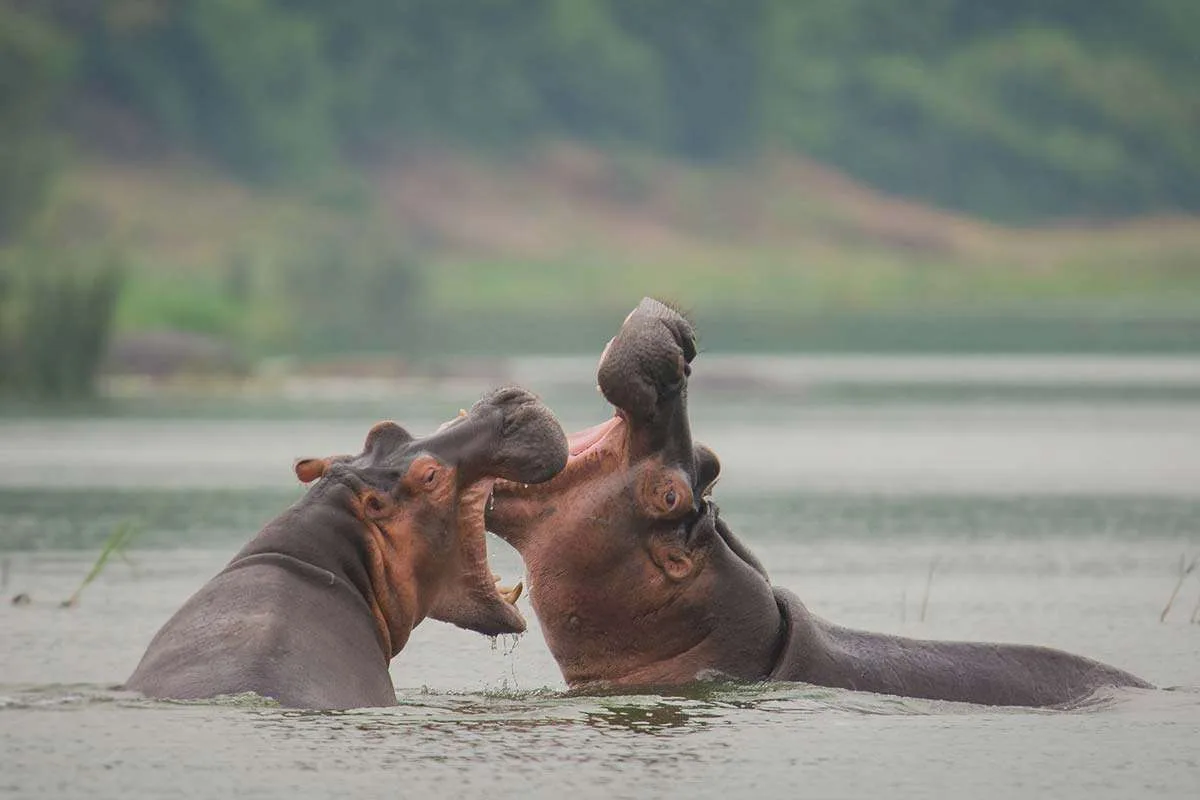
Uganda is extraordinarily photogenic — the gorillas of Bwindi, the hippos of the Kazinga Channel, the dramatic Nile at Murchison Falls, the tree-climbing lions of Ishasha — and you will want to capture it all. Bring your best camera with a telephoto zoom lens for wildlife at distance and a wider lens for landscapes. A smartphone camera has improved enormously in recent years and works well as a backup, but for genuine gorilla trekking photography, a dedicated camera with a fast autofocus system makes a significant difference in the dim light of the forest floor.
Bring more memory cards and batteries than you think you will need. Game drives and gorilla treks can last several hours without access to power, and running out of battery or storage on trekking day is a frustration that is entirely preventable. A universal travel adaptor and a multi-socket power board allow you to charge everything in a single lodge socket overnight.
Keep all electronics in a waterproof dry bag or padded waterproof case inside the vehicle. Dust on dry park tracks and sudden rainfall through an open roof hatch are the two most common causes of camera damage on safari.
Documents, Money, and Practical Admin
Keep all your travel documents organized and accessible throughout your self-drive trip. You will need your valid passport, your gorilla trekking permit, your vehicle hire agreement and insurance certificate, your driving licence — ideally accompanied by an International Driving Permit if your licence is not in English — and your yellow fever certificate. Store physical copies in the vehicle’s glovebox and digital copies backed up to cloud storage.
Uganda’s economy is largely cash-based outside of Kampala, and ATMs become scarce once you leave major towns. Withdraw sufficient Ugandan shillings before heading into national park areas. USD cash is also widely accepted for park fees, accommodation, and permit payments. Carry a mix of both currencies.
Planning Your Self-Drive Safari with the Right Support
Packing well is only one part of a successful Uganda self-drive safari. Having the right vehicle, the right permits, and the right support team behind you makes everything else possible. Our team at Self Drive Safaris Uganda handles permit booking, vehicle preparation, route planning, and 24/7 roadside backup so that you can focus entirely on the adventure. Browse our full safari packages for inspiration, or check our self-drive gorilla trekking guide for route-specific advice.
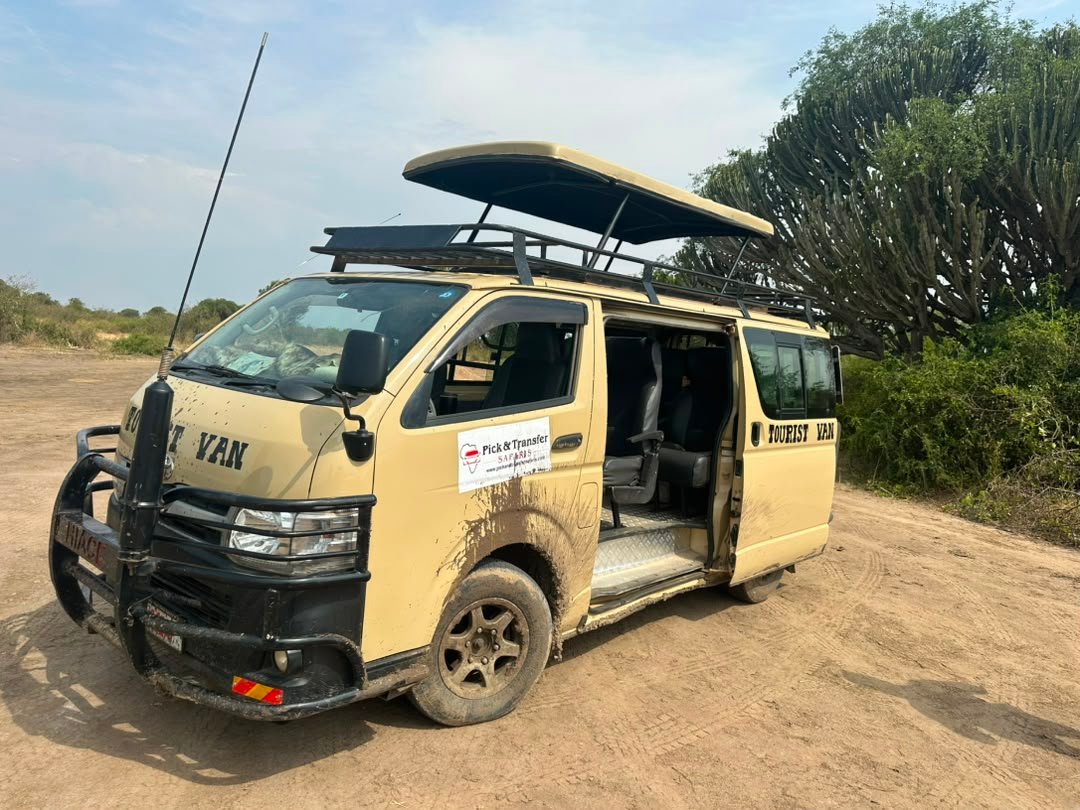
For travelers combining Uganda with a Kenya or Tanzania extension, our partners at Pick and Transfer Safaris provide cross-border vehicle and logistics support across the region. And if you are planning a multi-country East Africa itinerary that weaves Uganda together with Rwanda and Kenya, the team at Kenlink Tours offers expert guidance on making the most of the entire circuit.
Pack right, drive safe, and let Uganda take your breath away.
Related posts

Leave a Comment