
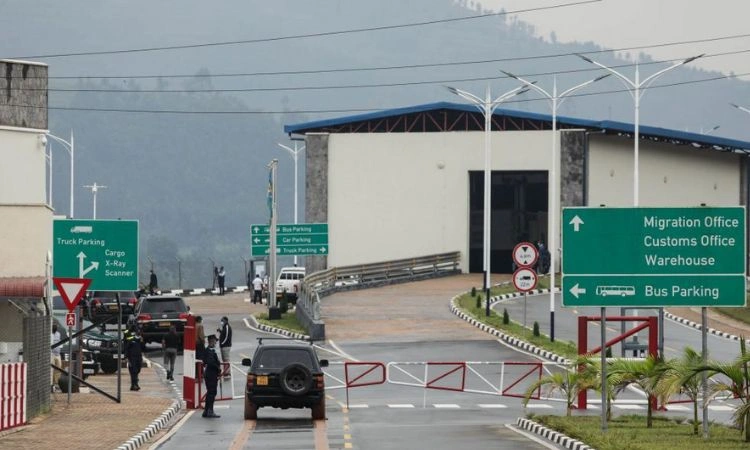
Border crossing tips for self drivers.Crossing an international border in a hired 4×4 on a self drive safari is one of those experiences that sounds more daunting on paper than it is in practice — but it does require specific preparation and specific knowledge that a spontaneous approach at the crossing gate cannot replace. The Uganda Rwanda border crossings at Cyanika and Katuna–Gatuna are used by self drive tourists every day and are well-practised in handling rental vehicles, foreign passports, and the document requirements that cross-border safari travel involves. The difference between a smooth thirty-minute crossing and a two-hour delay is almost always in the documents you arrive with and the process you follow at the gate — not in the goodwill of the border officials, who are generally professional and efficient when presented with a complete and organised document set. This guide covers the specific practical tips that experienced Uganda and Rwanda self drive visitors apply at every border crossing, from document preparation before the trip to the traffic direction switch on the other side. Browse our Uganda and Rwanda self drive packages and cross-border car hire options for full circuit planning support.
Prepare Your Document Wallet Before You Reach the Border
The single most effective border crossing tip for self drive visitors is to have your document wallet fully organised and immediately accessible before you arrive at the crossing — not buried in a bag in the boot and not scattered across the glovebox and door pockets. The documents you will need to present at a Uganda Rwanda border crossing are: your passport with valid visa or entry clearance for the country you are entering; the vehicle’s original registration certificate; the cross-border authorisation letter from your hire company explicitly permitting the vehicle to enter the destination country; the East African Community yellow card insurance certificate valid in both Uganda and Rwanda; your driving licence and International Driving Permit; and any park permits or wildlife authority documentation that border officials occasionally request to confirm your onward plans. Organise these in a single clear document wallet in the order you expect to present them and place it in the glovebox before you start the final approach drive to the border. A well-organised document set that you can present quickly and confidently produces a noticeably more efficient crossing than a driver who needs to search for each document when asked.
Time Your Crossing to Avoid Peak Periods
The Uganda Rwanda border crossings at Cyanika and Katuna–Gatuna handle a mix of tourist vehicles, commercial trucks, local commuter traffic, and agricultural transport that peaks at specific times of day — and arriving outside those peaks meaningfully reduces your waiting time at the gate. Mid-morning to early afternoon between approximately 9:00am and 1:00pm is typically the quietest period for tourist self drive vehicles at both crossings, with the truck and commercial traffic peaks occurring earlier in the morning and later in the afternoon. Avoid arriving at the border in the last ninety minutes before official closing time — crossing formalities can extend, and a partially completed crossing at closing time creates complications that are entirely avoidable with earlier timing. Allow a generous crossing window in your day’s driving plan: schedule thirty to ninety minutes for the crossing itself depending on queue length, and do not position the border as the day’s final event with a fixed arrival time at accommodation on the other side that leaves no flexibility for delays.
Understand the Crossing Process at Each Gate
The border crossing process at the Uganda Rwanda crossings follows a consistent format that becomes straightforward once you understand the sequence. On the exit side, you will surrender a departure card or have your passport stamped for exit, have the vehicle and its documents inspected by customs, and receive clearance to proceed to the crossing point. On the entry side, you will present your passport for entry stamping or visa processing, present the vehicle documents and hire company authorisation to customs, obtain a vehicle pass for the destination country, and pay any applicable road transit fees. The East African Community e-visa allows single-application entry to both Uganda and Kenya, but Rwanda requires a separate visa either obtained in advance online or on arrival — check the current visa requirement for your nationality for Rwanda specifically before your travel date, as visa policies are subject to change. Keep small denomination Uganda shillings and Rwandan francs available for any crossing fees rather than relying on card payment at border gates where electronic payment infrastructure can be unreliable.
The Hire Company Authorisation Letter — Non-Negotiable
The hire company’s cross-border authorisation letter is the single document that most frequently causes problems at the Uganda Rwanda border when self drive visitors arrive without it or with an expired or imprecise version. This letter must be on the hire company’s official letterhead, must explicitly name the destination country, must specify the vehicle’s registration number and the driver’s name and passport number, must be signed by an authorised company representative, and must cover the full dates of the Rwanda leg — not just the crossing date. Border officials are experienced at identifying deficient authorisation letters, and a letter that is vague about the destination country or date range will require resolution with the hire company by phone before the crossing can proceed. Our Uganda and Rwanda car hire packages include a correctly drafted cross-border authorisation letter as standard, valid for the full rental period in both countries. Confirm this document is in your wallet before departing for the border.
The Traffic Direction Switch — Do It Consciously
Uganda drives on the left. Rwanda drives on the right. This switch happens at the border, and making it consciously rather than instinctively is the most important road safety action at every Uganda Rwanda crossing. The instinct of experienced drivers is to follow traffic patterns rather than to consciously select a road position — an instinct that serves you well in a country where you have been driving for several days but that can pull you toward the wrong side of the road at the first quiet junction after the crossing. The practical technique experienced cross-border self drive visitors use is a verbal confirmation at the border gate itself: say aloud “I am now in Rwanda, I drive on the right” or “I am now in Uganda, I drive on the left,” and then drive the first 10 kilometres after the crossing with conscious, deliberate attention to road position at every junction, roundabout, and overtaking situation. The risk is highest on quiet roads immediately after the crossing — not on busy roads where oncoming traffic guides you instinctively. Rwanda’s strict road enforcement, speed cameras, and professionally staffed police checkpoints also mean that any traffic violation in Rwanda carries real consequences, making the transition from Uganda’s left-hand roads a moment that deserves full attention.
Currency, Fuel, and Practical Logistics at the Border
Practical logistics at the crossing point deserve advance planning rather than on-the-spot decisions. Carry enough Uganda shillings to cover your remaining Uganda driving costs before the crossing, and arrange Rwandan francs either at the border crossing money changers or through a Kigali bank or ATM after crossing — the border exchange rates are convenient but not always competitive. Fuel up completely before reaching the border in either direction — fuel stations immediately on the other side of the crossing are not always available, and having a full tank when you cross ensures you can reach a well-stocked fuel station in the destination country without anxiety. On the Uganda side before crossing into Rwanda, Kabale town has reliable fuel stations a short distance from the Katuna gate. On the Rwanda side before crossing into Uganda, Musanze has good fuel availability near the Cyanika crossing. For extended Rwanda circuits, note that Rwanda’s fuel station network is excellent in the main towns but thinner in the Nyungwe and Akagera areas, and planning fuel stops accordingly avoids anxiety on the southern Rwanda circuit.
Returning to Uganda from Rwanda — The Same Process in Reverse
Re-entering Uganda from Rwanda follows the same document process at the crossing in reverse, with the same traffic direction switch back to left-hand traffic. Experienced cross-border self drive visitors make the returning switch from right-hand Rwanda to left-hand Uganda with the same deliberate conscious technique as the outbound crossing — the mental reset from five or seven days of right-hand Rwanda driving back to left-hand Uganda requires exactly the same attention as the original switch. Budget the same crossing time on return and ensure your Uganda visa or permit covers the re-entry date if you are on a single-entry visa — check re-entry conditions for your specific nationality and visa type before the Rwanda leg begins. Our 10-day Rwanda Uganda safari and self drive planning guide cover the full cross-border logistics in detail. Contact our team today for a pre-departure briefing that walks you through every border crossing step before you leave home.
Related posts

Leave a Comment