
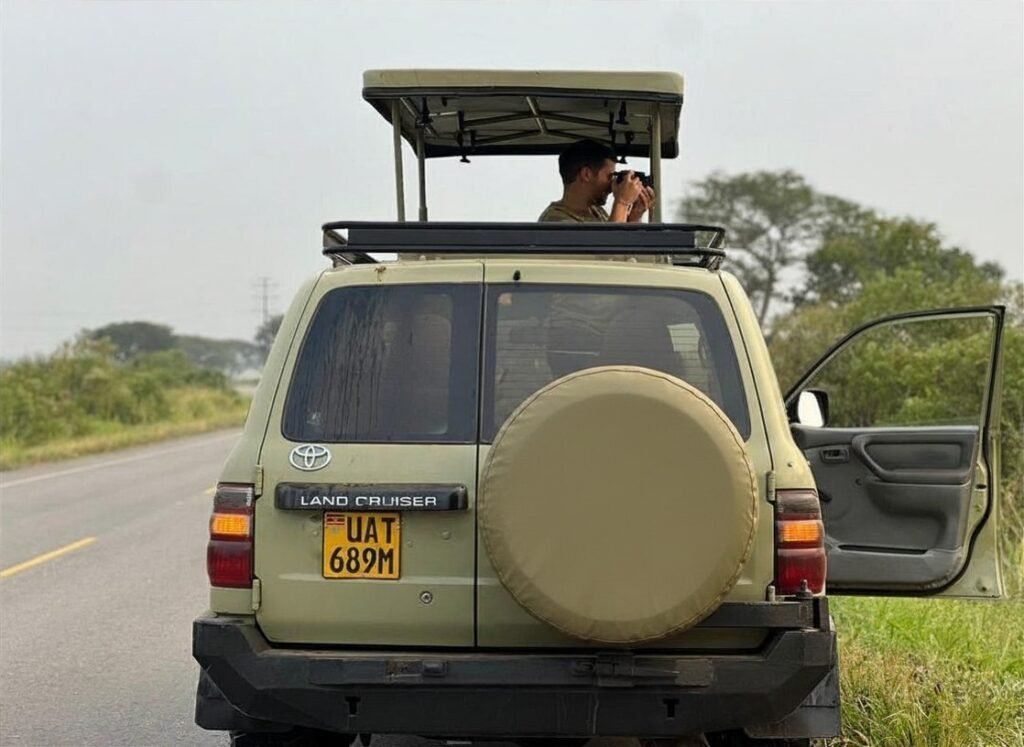
Self drive vs Guided safari in Uganda.The choice between a self drive safari and a guided safari in Uganda is one of the most important decisions any visitor makes when planning a road trip to the Pearl of Africa — and it is not a decision that has a single right answer. Both formats deliver the core Uganda wildlife experiences: gorilla trekking at Bwindi Impenetrable National Park, game drives in Queen Elizabeth National Park and Murchison Falls National Park, chimpanzee tracking at Kibale Forest, and the highland landscapes that make Uganda so visually distinctive. What they deliver differently is the quality of independence, the cost structure, the level of wildlife interpretation, the physical demands on the visitor, and the type of travel experience that results. This comparison covers every significant dimension of the self drive versus guided safari debate for Uganda specifically — not in the abstract, but in the concrete context of Uganda’s roads, parks, and visitor profile — so you can make the decision that is genuinely right for your group, your budget, and your travel personality. Explore our Uganda self drive options and safari packages to see what the self drive format delivers in practice.
Cost — The Most Significant Practical Difference
Cost is the dimension where self drive most clearly outperforms guided safari for Uganda visitors, and the difference is substantial enough to be the deciding factor for many travellers. A guided Uganda safari includes the cost of a professional driver-guide — typically charging $150 to $250 USD per day — on top of the vehicle hire rate, and for a solo traveller or a couple the per-person cost of a guided trip is significantly higher than the same itinerary driven independently. A self drive vehicle from our Uganda fleet hired by two to four people shares the daily rental cost across the group, reducing the per-person vehicle cost to a fraction of the guided equivalent. Gorilla trekking permits, park entrance fees, and accommodation are identical in cost whether you are guided or self driving — only the vehicle and guide costs differ. For a family of four or a group of travelling friends, the cost saving of a self drive versus guided safari over a 7 to 10-day Uganda circuit can amount to $1,500 to $3,000 USD or more — money that can fund an additional gorilla permit, an upgrade in accommodation, or simply reduce the total trip cost to something more accessible. View our best 4×4 car hire deals to compare self drive costs directly.
Freedom and Flexibility — The Self Drive Advantage
The most experiential difference between self drive and guided safari in Uganda is freedom — the ability to set your own pace, follow your own curiosity, and make spontaneous decisions that no guided itinerary can accommodate. On a guided safari, the guide sets the daily schedule, the vehicle moves on the guide’s judgment of where and when wildlife will be found, and every stop and departure is mediated by a third party whose priorities may not perfectly align with yours. On a self drive safari, you stay at the Kazinga Channel waterhole for another twenty minutes because the elephant family approaching the bank warrants it. You take the longer track around the Kasenyi circuit because the morning light on the savannah is extraordinary. You stop at a roadside market between parks because the roadside food smells irresistible. This quality of self-determined travel is what experienced self drive visitors consistently identify as the thing they valued most about the format, and it is an advantage that no guided trip can replicate regardless of how skilled or sensitive the guide.
Wildlife Knowledge — The Guided Safari’s Strongest Card
The area where a guided safari genuinely outperforms self drive is wildlife interpretation — the depth of understanding that an experienced Ugandan guide brings to every sighting, from identifying a species by call before it is visible to explaining the social dynamics of a chimpanzee community or reading the body language of a buffalo herd before it moves. A skilled Uganda safari guide transforms a wildlife encounter from a visual experience into an educational one, and for visitors who are new to East Africa’s species, habitats, and ecological relationships, that interpretive layer adds considerable value to every park day. Self drive visitors mitigate this gap through preparation — field guides, bird books, wildlife apps, and the offline GPS systems in our vehicles that include species information overlaid on park maps — but the depth of knowledge that a professional guide carries cannot be fully replicated by research alone. For birdwatchers in particular, a birding guide in Uganda significantly increases the species count over what a self drive visitor without specialist expertise will achieve independently.
Road Confidence and Driving Experience
A guided safari removes the driving entirely — a genuine advantage for visitors who are uncomfortable driving in Africa, who are travelling solo and want the security of a knowledgeable local driver, or who simply do not want the responsibility of navigating Uganda’s roads on top of the experience of the wildlife itself. Uganda’s main safari circuit roads are manageable for confident international drivers with good 4×4 experience, but the adjustment to left-hand traffic, the unpredictability of town centre traffic, and the demands of Bwindi’s wet-season approach roads are real and require genuine engagement from a self drive visitor. Visitors who are anxious about driving in East Africa, who have no experience with manual 4×4 vehicles, or who want to relax in the vehicle rather than concentrate on the road are better served by a guided format. Visitors who are confident drivers, have driven in left-hand traffic countries before, and actively enjoy the challenge of driving in new environments will find the self drive format more satisfying in every respect.
Group Size and Travel Profile
The best format for your Uganda safari depends significantly on who you are travelling with and what kind of travel experience your group prefers. Solo travellers and couples on a tight budget who still want a premium vehicle and full park access typically find guided safari the more practical option — the per-person cost of a self drive vehicle is highest for small groups, and a guided trip with a shared vehicle can be more economical at two people or fewer. Families of three or more, groups of friends travelling together, and couples for whom independence and pace-setting are core travel values consistently find self drive the superior format on both cost and experience grounds. Visitors who want the gorilla trekking experience but feel uncertain about managing the full self drive circuit independently can combine formats — hiring a self drive vehicle for the driving days and joining guided activities at each park destination, using local guides for boat cruises, forest walks, and community visits while driving themselves between parks.
The Hybrid Approach — Best of Both Worlds
It is worth noting that self drive and guided safari in Uganda are not mutually exclusive, and many of the best Uganda road trips combine elements of both. Gorilla trekking, chimpanzee tracking, the Kazinga Channel boat cruise, the Murchison Falls Nile cruise, and community walk experiences at Bwindi are all guided activities conducted with Uganda Wildlife Authority rangers regardless of whether you drove yourself to the park or arrived in a guide’s vehicle. A self drive visitor at Kibale is guided through the forest by a professional tracker in exactly the same way as a visitor on a full guided safari — the difference is only in how they got there and how much they paid for the vehicle. This hybrid reality means that self drive Uganda is not a choice between wildlife knowledge and independence — it is a choice between paying a guide to drive you and driving yourself, with the wildlife interpretation element largely provided by the park’s own ranger and guide network at each destination. Our self drive planning guide covers how to integrate guided park activities seamlessly into an independent self drive itinerary.
The Verdict — Which Should You Choose?
Choose self drive if you are a confident driver with international 4×4 experience, travelling as a couple or group of three or more, prioritising freedom and value, and willing to invest a few hours of preparation in routes, permits, and itinerary planning before you travel. Choose guided safari if you are a solo traveller, uncomfortable with driving in Africa, primarily motivated by deep wildlife interpretation, or simply want the convenience of having every logistical decision handled by a professional local. And if you are somewhere between these two profiles — confident enough to drive but uncertain whether the self drive experience suits you — contact our team for an honest conversation about which format genuinely matches your priorities. Browse our self drive car hire options and Uganda safari packages, or get in touch today to discuss which format delivers the Uganda experience you are looking for.
Related posts

Leave a Comment