
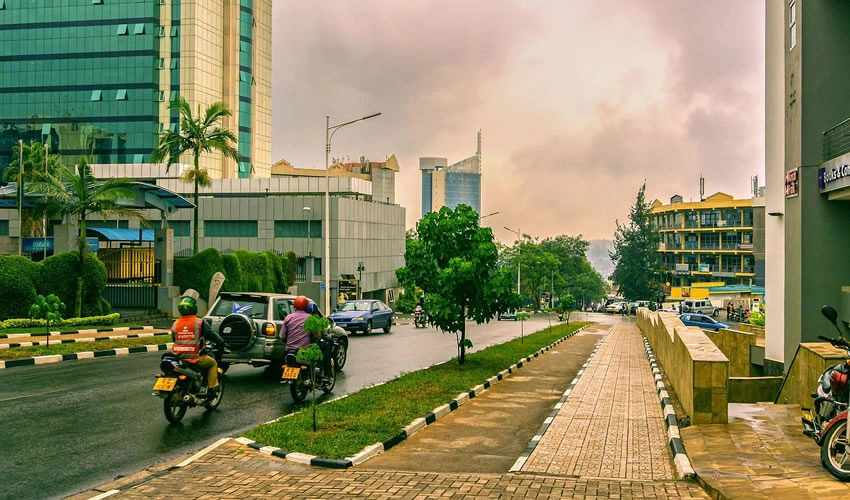
Driving rules in Rwanda.Rwanda is widely regarded as one of Africa’s most orderly and most driver-friendly countries, and its road network — consistently among the best maintained on the continent — makes self drive travel here genuinely enjoyable from the very first kilometre. But Rwanda’s reputation for order extends directly to its traffic laws, and the country enforces its road rules with a seriousness and consistency that self drive visitors must be fully prepared for before they get behind the wheel. Speed cameras operate on major highways, seat belt enforcement is strict, and traffic police are professional and present on the main routes between Kigali and the national parks. Understanding Rwanda’s driving rules is not simply a formality — it is the foundation of a safe, smooth, and penalty-free road trip through one of the most beautiful countries in Africa. Whether you are planning a gorilla trekking adventure at Volcanoes National Park, a Big Five safari at Akagera National Park, or a complete Rwanda circuit by self drive car rental, this complete guide to driving rules in Rwanda covers everything you need to drive legally, confidently, and safely throughout the country.
Which Side of the Road Do You Drive in Rwanda?
Rwanda drives on the right-hand side of the road — the same as France, the United States, continental Europe, and most of central and western Africa. Vehicles are left-hand drive, with the steering wheel on the left side of the car. This is an important distinction from neighbouring Uganda and Tanzania, which are left-hand drive countries, and it catches some visitors off-guard when crossing borders. For travellers arriving from the United Kingdom, Kenya, Uganda, or South Africa — all left-hand drive countries — switching to right-hand traffic in Rwanda requires deliberate adjustment, particularly at junctions and roundabouts where the instinct to pull left can lead you directly into oncoming traffic. The first thirty minutes of driving after collecting your vehicle in Kigali are the most critical — take them slowly, stay conscious of your road position, and give yourself time to recalibrate before joining faster highway traffic. Rwanda changed from left-hand to right-hand traffic in 2009, so all road infrastructure, road signs, and driver training are now firmly oriented to right-hand driving. All vehicles in our Rwanda and Uganda self drive fleet are correctly configured for each country’s traffic direction, and our team provides a full road orientation briefing when you collect your vehicle at Kigali International Airport through our airport vehicle handover service.
Speed Limits and Speed Camera Enforcement in Rwanda
Rwanda enforces some of the strictest speed limits in East Africa and backs them up with a well-developed network of speed cameras on its major highways — a combination that self drive visitors must take seriously from the moment they leave Kigali. The standard speed limit in urban and built-up areas is 40 kilometres per hour. On open highways and main arterial roads, the limit is 60 kilometres per hour. In some specifically designated zones near schools, hospitals, and official buildings, limits of 20 to 30 kilometres per hour apply and are signposted. Speed cameras are particularly dense on the Kigali to Musanze highway used by visitors driving to Volcanoes National Park, and on the Kigali to Huye road used for Nyungwe Forest. Fines are issued on the spot by traffic police stationed at or near camera locations, and the amounts are substantial enough to make speeding an expensive mistake. The 60 km/h open road limit feels noticeably lower than the 80 km/h standard in Uganda, and it is the single adjustment that most self drive visitors from Uganda underestimate on their first day in Rwanda. Set your cruise control, watch your speedometer, and allow extra time in your daily driving schedule to accommodate Rwanda’s lower legal speeds.
Seatbelts, Mobile Phones, and Compulsory Vehicle Requirements
Rwanda’s compulsory traffic rules cover a comprehensive set of driver and passenger obligations that are enforced actively rather than selectively. Seatbelts are required for all vehicle occupants — driver, front passenger, and all rear passengers without exception. Children must be appropriately restrained in age-appropriate seats. Using a mobile phone while driving without a hands-free system is prohibited, and this rule is actively observed and enforced at police checkpoints and by traffic officers on patrol. Driving under the influence of alcohol is illegal, with a zero-tolerance policy for professional drivers and a 0.08 percent blood alcohol limit for private drivers — enforcement through roadside testing does occur, particularly on Friday and Saturday nights in and around Kigali. Vehicles must carry a working fire extinguisher, a reflective warning triangle, and a first aid kit at all times — all standard equipment on every vehicle from our self drive fleet. Headlights are required from dusk to dawn, and in heavy rain — which can arrive suddenly in Rwanda’s wet seasons — using headlights during daylight for visibility is both a legal requirement and a common-sense practice on the country’s winding mountain roads.
Road Checkpoints and Interacting with Rwanda National Police
Police checkpoints are a regular feature of Rwanda’s main roads and national park approach routes, and self drive visitors encounter them with predictable frequency on routes to Volcanoes, Akagera, and Nyungwe. The procedure at a Rwanda checkpoint is straightforward and the interactions are typically brief and professional: slow down well in advance when you see the checkpoint ahead, stop when signalled, greet the officer respectfully in English or French, and present your driving licence and vehicle documentation when requested. Rwanda National Police officers are generally courteous and well-trained, and cooperative drivers with correct documentation pass through quickly. Always carry your original driving licence — most Rwanda officers require the physical document rather than a digital copy or photograph. Your International Driving Permit, vehicle rental agreement, and proof of insurance should also be in the car at all times. For cross-border visitors driving from Uganda into Rwanda, your rental agreement must explicitly authorise cross-border use and your insurance must confirm dual-country coverage — our Rwanda and Uganda cross-border rental packages include all of this as standard, with full documentation provided at vehicle handover.
Road Signs, Roundabouts, and Right of Way in Rwanda
Rwanda’s road signs follow the international convention system used across most of Africa, with warning signs in triangular shapes, prohibitory signs in circular red borders, and informational signs in blue or green rectangles. Signs are predominantly in English, with some French, making them accessible to the majority of international self drive visitors. Road markings follow right-hand traffic conventions — white broken centre lines permit overtaking where safe, solid white lines prohibit it, and edge markings indicate road boundaries and hazard zones. At roundabouts — of which Kigali has many, particularly in the city centre and on major approach roads — vehicles entering the roundabout must give way to traffic already circulating inside it. This is the reverse of the instinct for visitors from some left-hand drive countries where entering vehicles sometimes have priority, and it is worth consciously noting before navigating Kigali’s busier roundabouts. At unmarked junctions on rural roads, the vehicle on the main road has right of way over traffic joining from side roads. Pedestrians crossing at designated zebra crossings must be given priority, and stopping for them is both a legal obligation and a standard expectation on Rwanda’s well-ordered streets.
Driving in Kigali — Navigating the Capital by Self Drive
Kigali’s driving environment is manageable by African capital standards but has its own characteristics that self drive visitors should understand before entering the city. The city’s famous hilly layout means that many roads ascend and descend steeply between the main commercial ridgelines, and navigation without offline maps can become confusing quickly when roads curve around hillsides without obvious directional logic. Download offline maps covering Kigali before you leave the airport — Google Maps offline and maps.me both work well throughout the city. Traffic in Kigali is generally well-regulated with functioning traffic lights at major intersections, but peak hour congestion from 7:30am to 9:00am and 5:00pm to 7:00pm can extend journey times significantly. Motorcycle taxis — known as motos — weave through traffic in large numbers and require careful attention at junctions and when opening vehicle doors. Parking in Kigali’s commercial areas is available in marked bays and at designated parking areas, and most hotels and lodges have secure off-street parking for self drive guests. The self drive Rwanda travel guide on our website covers Kigali navigation in further practical detail.
Night Driving, Seasonal Road Conditions, and Practical Safety Habits
Driving after dark in Rwanda is significantly safer than in many neighbouring countries — street lighting in Kigali and major towns is reliable, and the country’s zero-tolerance approach to road disorder extends to keeping major routes reasonably clear after dark. That said, rural roads between towns and on national park approach routes are unlit, and pedestrians and cyclists without reflective gear are a genuine nighttime road hazard outside the capital. The safest approach for self drive visitors is to plan daily driving stages to arrive at your destination before 6:30pm and avoid rural night driving wherever possible. Rwanda’s rainy seasons — March to May and October to November — bring heavy downpours that can reduce visibility dramatically on the mountain roads to Nyungwe Forest and Volcanoes National Park, making a 4×4 with good tyres the wiser choice year-round. For comprehensive pre-trip planning advice covering both Rwanda and Uganda road rules and route preparation, our guide on how to plan the perfect self-drive gorilla safari is an essential read before you set off. Browse our Rwanda and Uganda car hire options, explore our best 4×4 deals, or contact our team today to plan your Rwanda self drive with complete confidence on the road.
Related posts

Leave a Comment