
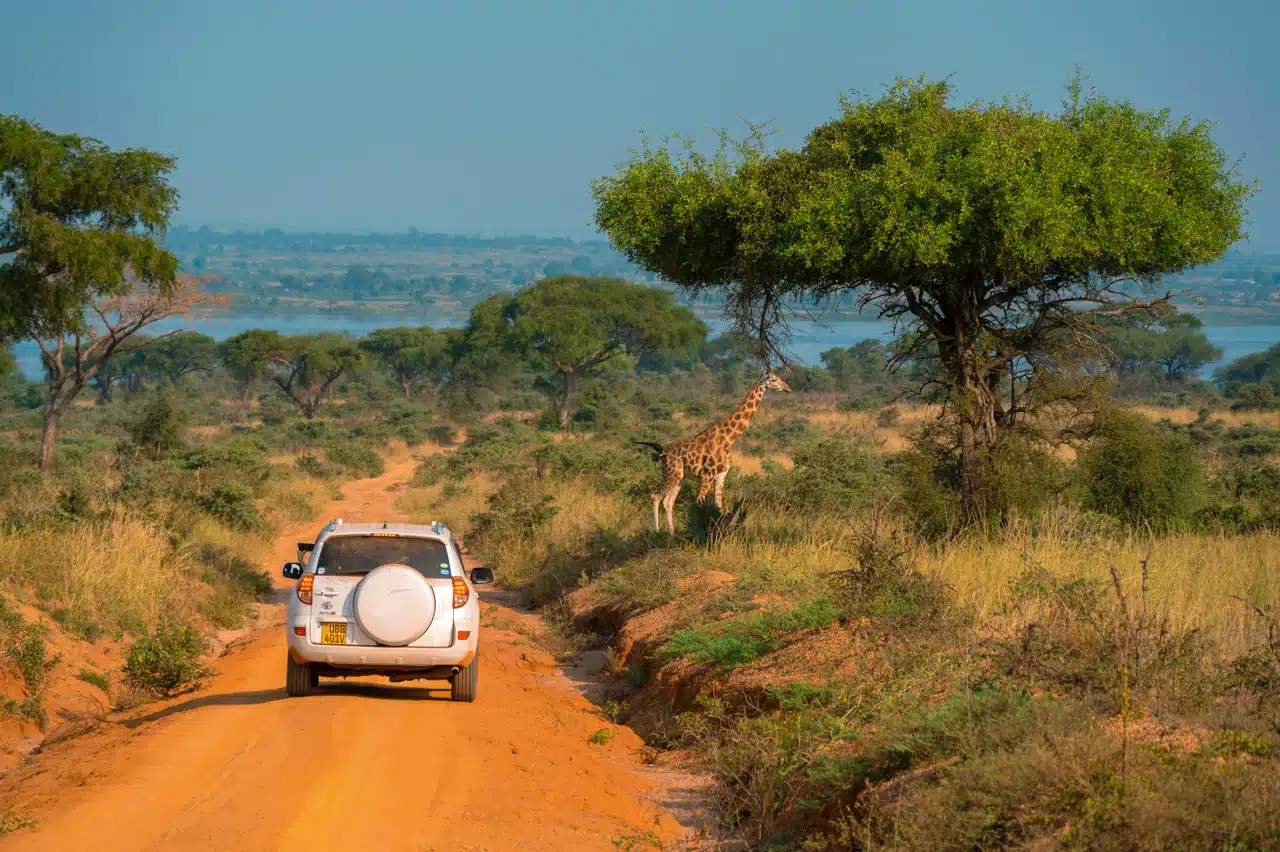
How safe is self driving in Uganda?Self driving in Uganda is safe for well-prepared visitors who understand the specific risks the country’s roads and driving environment present — and those risks are almost entirely road-related rather than crime-related, which is an important distinction for visitors whose pre-trip safety concerns are often focused on the wrong category. Uganda’s national parks and safari circuit areas are among the most secure environments in the country for foreign visitors, the self drive rental vehicle is significantly safer than Uganda’s public transport alternatives, and the regions that most Uganda safari circuits cover — the western national parks, the southwest gorilla trekking area, and the northern Murchison Falls corridor — present no meaningful security concern for visitors driving with reasonable awareness. The genuine safety considerations for a Uganda self drive are Uganda’s road environment, the specific hazard of night driving, wildlife protocol inside the national parks, and the health risks that equatorial East Africa presents to visitors without appropriate preparation. This guide covers all four categories honestly, explains what each risk actually involves and how it is managed, and distinguishes between the risks that require active management and those that are largely theoretical for visitors operating in the self drive safari context. Browse our car hire and self drive options and Uganda self drive packages for vehicles and circuits suited to Uganda’s driving environment.
Road Safety — The Primary Concern for Self Drive Visitors
Uganda’s road environment is the most significant safety consideration for self drive visitors, and it is important to understand it accurately rather than either dismissing it or being alarmed by it. Uganda has higher traffic accident rates than most Western countries, with the principal causes being speeding on main highways, overtaking on blind corners, vehicles in poor mechanical condition sharing the road with well-maintained rental vehicles, and the presence of pedestrians and livestock on road shoulders that urban driving habits do not anticipate. The self drive visitor in a properly maintained rental Toyota Land Cruiser Prado or RAV4 Safari is in a significantly safer vehicle than the majority of traffic sharing Uganda’s roads, and the visitor who applies the driving discipline described below reduces their personal road risk to a level that is comparable to unfamiliar road driving in any developing country. The specific Uganda road hazards to manage actively are speed bumps — present in virtually every town and settlement, often unmarked, and capable of causing significant suspension damage and loss of vehicle control at normal road speed if not anticipated; unmarked potholes on secondary roads that require visual attention ahead rather than the relaxed scanning appropriate on European motorways; and the overtaking behaviour of Uganda’s long-distance traffic that makes maintaining position on the left and driving predictably the most important defensive driving habits on the main highways.
Night Driving — Uganda’s Most Avoidable Risk
Night driving on Uganda’s rural roads is the single most avoidable safety risk on a self drive safari circuit, and avoiding it is the most impactful single safety decision a self drive visitor makes. After dark, Uganda’s roads outside lit urban areas present: pedestrians in dark clothing walking on road shoulders or crossing without warning; livestock and wildlife on the road surface that headlights illuminate at distances that normal road speed does not allow adequate stopping time; unmarked speed bumps that are difficult to see in headlight illumination before the vehicle is already upon them; and the visibility-reduced overtaking by trucks and long-distance vehicles that makes oncoming traffic management more hazardous than in daylight. The practical response is simple and costs nothing: plan every transfer day’s driving to arrive at the night’s accommodation before dark, and treat any deviation from this plan as a prompt to stop and wait rather than to push on after sunset. A 7am departure from accommodation and a conservative daily driving distance of five to six hours delivers arrival by early afternoon on most Uganda circuit transfer days, with time for an afternoon activity and no pressure to drive in darkness. This planning discipline is more important than any other single safety measure on the circuit.
Vehicle Security and Personal Safety
Uganda is a generally stable and visitor-friendly country, and the safari circuit areas — the western national parks, Bwindi, Kabale, Fort Portal, and Kisoro — present no meaningful personal security concern for self drive visitors. Standard urban awareness applies in Kampala — avoiding displaying expensive equipment conspicuously, locking vehicles when unattended in urban areas, and being aware of surroundings in busy market areas — but this is the same basic awareness appropriate in any unfamiliar city rather than a specific Uganda threat. In Uganda’s national park areas and the highland towns of the western circuit, the environment is overwhelmingly safe for foreign visitors, and the accommodation areas around park gates are secure. Vehicle security in Uganda’s national parks is managed by locking the vehicle when parked at park headquarters or accommodation — do not leave cameras, passports, or cash visible through vehicle windows when parked in any public area. The hire company’s 24-hour emergency contact provides a safety communication point for any situation that develops beyond the routine driving day, and this number should be saved to both the driver’s primary and backup phone before the circuit begins.
Wildlife Safety Inside Uganda’s National Parks
Queen Elizabeth National Park, Murchison Falls National Park, and Kidepo Valley National Park all contain dangerous wildlife — buffalo, hippopotamus, elephant, lion, and crocodile — and the safety protocol inside these parks is consistent and straightforward: remain in the vehicle at all times during game drives unless at a designated safe viewing point, do not approach wildlife closer than the animal’s comfort threshold, and follow Uganda Wildlife Authority ranger instructions without hesitation on any guided activity. Vehicle-based game drives are conducted in a closed vehicle that provides the protective barrier the wildlife recognises and respects; a visitor who exits the vehicle near a buffalo herd or lion pride removes that barrier with potentially lethal consequences. At Bwindi Impenetrable National Park, the gorilla trekking experience is conducted under the management of a UWA ranger guide who controls the group’s approach distance, movement direction, and retreat protocol — following the ranger’s instructions constitutes the safety management for this activity. Habituated gorilla families are accustomed to controlled human presence and the encounter is safe within the managed protocol.
Health Safety — Malaria and Food and Water
Uganda is a malaria-endemic country and anti-malarial medication is not optional for self drive visitors — it is the most important health preparation the circuit requires. Consult a travel medicine clinic or GP at least six weeks before departure to confirm the appropriate anti-malarial prophylaxis for Uganda and begin the medication course as directed before arrival. Long-sleeved clothing, insect repellent with DEET, and sleeping in accommodation with functioning mosquito nets or air conditioning add physical barrier protection alongside the medication. Food and water safety on Uganda’s safari circuit is managed by drinking bottled water throughout the circuit rather than tap water, by purchasing food from accommodation kitchens and established restaurants rather than unrefrigerated roadside vendors, and by carrying the vehicle provisions described elsewhere in this series to avoid the food hygiene uncertainty of rural roadside stops on transfer days. These precautions are standard travel health practice for equatorial East Africa and are not specific Uganda risks — they apply equally to Kenya, Tanzania, and Rwanda.
Police Checkpoints — Routine and Non-Threatening
Uganda’s road police checkpoints are a routine feature of the safari circuit and not a safety concern for self drive visitors who have documents in order and drive within the speed limits. Checkpoints typically ask to see the driver’s licence and sometimes the vehicle logbook, wave the vehicle through after a brief stop, and are straightforwardly managed by pulling over promptly, switching off the engine, and presenting documents with patience and without confrontation. Maintaining speed limit compliance throughout the circuit — 50km/h in urban areas and 80km/h on open roads — and having the document folder accessible in the front cabin rather than in the boot reduces checkpoint interactions to the brief, routine exchange they are designed to be. The checkpoint conduct guidance in our how-to-avoid-traffic-fines guide covers this interaction in detail. Browse our best 4×4 car hire deals or contact our team today to plan a Uganda self drive circuit with the preparation and vehicle choice that makes the country’s genuinely rewarding safari environment the defining feature of the experience rather than its road environment.
Related posts


Leave a Comment