
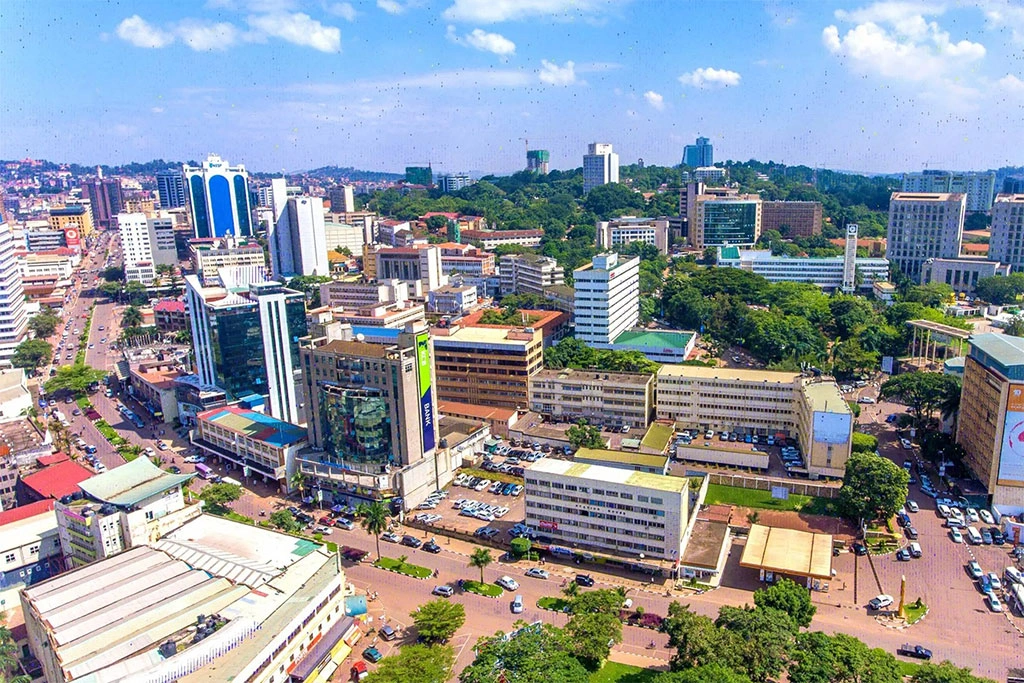
Driving rules in Uganda.Uganda is one of East Africa’s most rewarding self drive destinations, and its roads — particularly the main highways connecting Kampala to the national parks — are in better condition than many first-time visitors expect. But like any country, Uganda has its own set of traffic laws, road conventions, and practical driving realities that every self drive visitor needs to understand before getting behind the wheel. Knowing the rules before you drive is not just a matter of legal compliance — it is the foundation of a safe, stress-free road trip that keeps you focused on the extraordinary landscapes and wildlife experiences the country has to offer. Whether you are planning a gorilla trekking adventure at Bwindi Impenetrable National Park, a Big Five safari at Queen Elizabeth National Park, or a full Uganda circuit by self drive car hire, this complete guide to driving rules in Uganda covers everything you need to know to drive legally, safely, and confidently from the moment you collect your rental vehicle.
Which Side of the Road Do You Drive in Uganda?
Uganda drives on the left-hand side of the road — the same as the United Kingdom, Kenya, Tanzania, South Africa, and most Commonwealth nations. Vehicles are right-hand drive, meaning the steering wheel is on the right side of the car and the driver sits closest to the road’s centre line. For visitors arriving from left-hand drive countries such as the United States, continental Europe, or Rwanda, this is the single most important adjustment to make and the one that demands the most conscious attention, particularly in the first hours of driving after airport pickup. The moments most likely to catch left-hand drive visitors off-guard are roundabouts — where you must give way to traffic coming from the right and circulate clockwise — and junctions after stopping, where the natural impulse to pull out on the right must be consciously overridden. Taking the first thirty minutes of driving slowly and deliberately after collecting your vehicle from Entebbe or Kampala is the most important safety habit a first-time Uganda self drive visitor can develop. Our airport vehicle collection service includes a full road briefing before you head out, covering left-hand driving orientation alongside route and GPS setup.
Speed Limits and Speed Enforcement in Uganda
Uganda enforces clearly defined national speed limits that apply across all road types and are actively monitored by traffic police and speed cameras on the main highways. The speed limit in urban and built-up areas is 50 kilometres per hour. On open rural highways and main arterial roads, the limit is 80 kilometres per hour. Near schools, hospitals, and other designated zones, reduced limits of 30 to 40 kilometres per hour apply and are typically signposted. Speed cameras operate on several of the most-used self drive routes — including the Kampala–Entebbe expressway, the Kampala–Masaka highway, and the Kampala–Gulu highway — and speeding fines are issued on the spot by traffic officers. Uganda Police Force officers operate checkpoints on all major routes and have the authority to issue instant fines for speeding, seatbelt violations, and other traffic offences. Rental vehicles are not exempt from these rules, and any fines issued while driving a hired vehicle are the responsibility of the driver. Staying within the posted limits is both the legal requirement and — on roads shared with trucks, boda bodas, and pedestrians — consistently the safest approach regardless of how clear the road appears ahead.
Seatbelts, Mobile Phones, and Other Compulsory Rules
Several compulsory rules apply to all vehicle occupants on Uganda’s roads and are enforced with increasing strictness across the country. Seatbelts are legally required for all passengers in both front and rear seats — not merely the driver and front passenger. Children must be appropriately restrained. Using a mobile phone while driving is prohibited unless the phone is connected to a hands-free system, and officers actively look for this offence at road checkpoints. Driving under the influence of alcohol is illegal with a blood alcohol limit of 0.08 percent, and drink driving penalties in Uganda include immediate arrest and vehicle impoundment. Vehicles must carry a functioning fire extinguisher, a reflective warning triangle, and a first aid kit at all times — all of which are standard equipment on every vehicle in our Uganda self drive fleet. Headlights must be used from dusk to dawn, and using hazard lights to warn oncoming traffic of a road obstruction or slow-moving vehicle ahead is both a legal requirement in some situations and a widely observed road etiquette convention among Uganda’s long-distance drivers.
Road Checkpoints and Dealing with Police in Uganda
Traffic police checkpoints are a regular feature of Uganda’s main roads and national park approach routes, and self drive visitors will almost certainly pass through at least one during any extended road trip. The correct procedure at a checkpoint is to slow down, stop when signalled, greet the officer politely, and present your driving licence and vehicle documentation when requested. Uganda Police are generally professional and courteous to cooperative drivers, and the checkpoint process is typically brief — a documentation check, sometimes a visual inspection of the vehicle, and a wave through within a few minutes. Always carry your original driving licence, your International Driving Permit if applicable, your vehicle rental agreement, and your passport in the car at all times. Copies are not always accepted at checkpoints, so keeping originals easily accessible in the glovebox or a document holder is the sensible habit. Never offer money to an officer unprompted — while petty corruption does occasionally occur on Uganda’s roads, the standard approach of polite compliance and correct documentation resolves the great majority of checkpoint interactions without any complications.
Road Signs, Road Markings, and Right of Way Rules
Uganda’s road signs follow the international convention system used across most of Africa and the Commonwealth, with warning signs in triangular yellow shapes, prohibitory signs in red circles, and informational signs in blue or green rectangles. Signs are in English throughout the country, making them straightforward for English-speaking visitors to interpret. Solid white centre lines indicate no overtaking, broken lines permit overtaking when safe, and yellow lines at road edges mark hazards or restrictions in built-up areas. Right of way at junctions follows the general rule that the vehicle on the main road has priority over traffic entering from side roads, and at roundabouts the vehicle already circulating has right of way over entering vehicles. Pedestrians have right of way at designated zebra crossings and school crossings, and stopping for pedestrians at these points is a legal requirement as well as a commonly expected social norm. In rural areas, expect to share the road with cattle, goats, boda bodas, cyclists, and pedestrians at all times — particularly on the smaller secondary roads connecting towns to national park gates.
Driving at Night and Other Safety Considerations
Driving after dark is strongly discouraged for self drive visitors in Uganda and should be avoided wherever possible. Uganda’s rural roads are unlit, pedestrians and cyclists frequently use the road without any reflective clothing or lighting, livestock stray onto the tarmac after dark, and potholes and road hazards that are easy to spot in daylight become serious risks in headlights. Traffic police are also more likely to stop vehicles after dark and scrutinise documentation more carefully, which can add significant time to any night journey. The most important practical rule for Uganda self drive visitors is to plan your daily driving stages to arrive at your destination before 6:30pm, which gives a comfortable buffer before darkness falls. Never attempt to drive to a national park gate after dark — approach roads to Bwindi, Kidepo, and the more remote parks are unlit, narrow, and sometimes shared with wildlife. Our guide on how to plan the perfect self drive gorilla safari covers daily driving schedules designed specifically to keep you off Uganda’s roads after dark.
Documents, Licences, and What to Carry in the Vehicle
Uganda recognises valid driving licences from most countries, but carrying an International Driving Permit alongside your national licence is strongly recommended and may be required by some traffic officers and rental providers. Your IDP must be obtained in your home country before travel — it cannot be arranged in Uganda. You must be at least 23 years old and hold a minimum of two years driving experience to rent a vehicle in Uganda. Always carry your passport as a primary identification document alongside your licence. The vehicle rental agreement, proof of insurance, and any park permits or booking confirmations should also travel with you in the car at all times. For cross-border self drive travel into Rwanda or other neighbouring countries, your rental agreement must explicitly authorise cross-border use and your insurance must confirm dual-country coverage — all vehicles from our Uganda and Rwanda cross-border fleet include this as standard. Explore our full range of Uganda safari packages and best 4×4 car hire deals, or contact our team today to plan your Uganda self drive safari with complete confidence on the road.
Related posts

Leave a Comment