
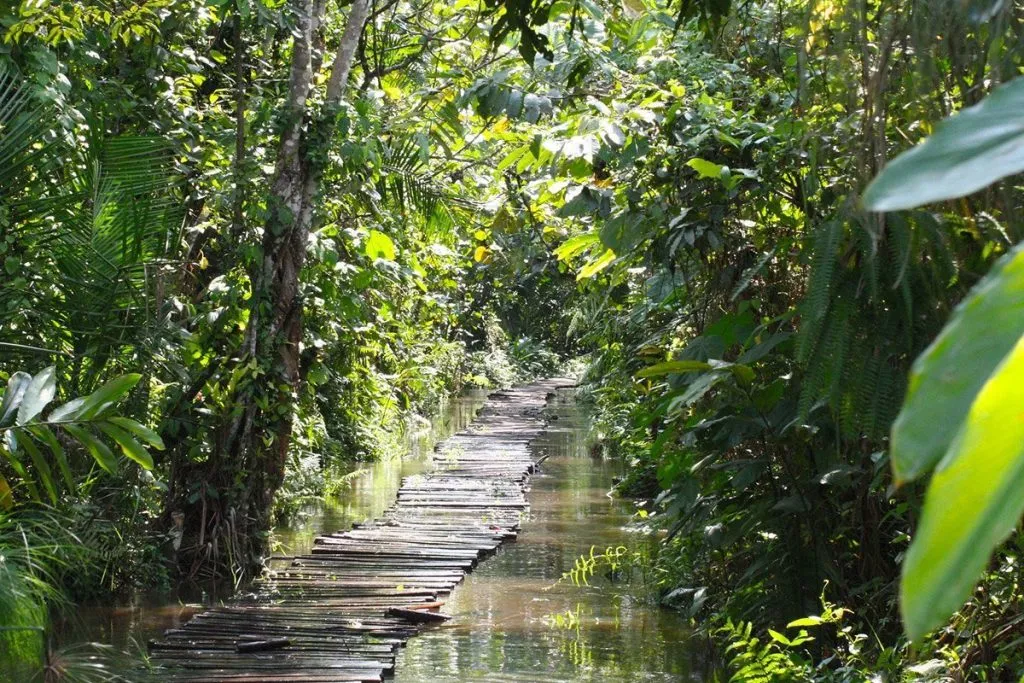
Remote safari destinations in Uganda.Remoteness on a Uganda self drive safari is not simply a matter of distance from Kampala — it is a specific combination of long road distances, limited or absent mobile signal, minimal visitor infrastructure, infrequent traffic, and an extended response time if the vehicle or the driver encounters a problem. The remote safari destinations in Uganda are the places where this combination defines the experience: where the drive to the destination is itself a significant undertaking, where the vehicle’s specification and preparation matter more than on any mainstream circuit, and where the reward for the additional logistical effort is a wildlife encounter, a landscape, or a degree of solitude that the well-worn circuit simply cannot deliver. For self drive visitors who have completed the western Uganda main circuit and are ready to extend their exploration, or who are planning their first Uganda safari around a more ambitious itinerary, these destinations represent Uganda’s furthest reach — places that most visitors to Bwindi, Queen Elizabeth, and Murchison Falls never see and that reward those who do with experiences Uganda’s mainstream circuit cannot replicate. Browse our Uganda self drive packages and car hire and self drive options for remote circuit vehicle and planning support.
Kidepo Valley National Park — The Benchmark of Uganda Remote
Kidepo Valley National Park is the definitive remote Uganda safari destination — 700 kilometres from Entebbe in the far northeastern corner of the country, bordering South Sudan and Ethiopia, accessible on a driving route that requires two full days and one overnight stop before reaching the park gate. The route from Entebbe or Kampala runs north through Gulu — approximately 340 kilometres and four hours on the main northern highway — where the practical overnight stop for Kidepo visitors breaks the journey into a manageable first day. The following morning continues from Gulu northeast through Kitgum and onto the Kidepo approach road, which covers the final 120 kilometres on murram that the Toyota Land Cruiser Prado handles at progressively slower pace as the Karamoja landscape widens around the road. The landscape transition on this approach is part of Kidepo’s reward: Uganda’s green equatorial vegetation gives way to the semi-arid Karamoja terrain, the vegetation thins, the sky opens, and the Timu Forest and Napore mountain ranges appear on the northern horizon as the road descends into the Kidepo Valley basin. Inside the park, game circuits cover open savannah that delivers lion, elephant, buffalo, Burchell’s zebra, Rothschild’s giraffe, and the northern species — roan antelope, eland, oribis, Jackson’s hartebeest — that do not appear in Uganda’s western parks. The Apoka Rest Camp and several tented camps provide in-park accommodation. Mobile signal is essentially absent in and around the park, making pre-departure communication planning essential and the GPS device’s offline map function critical for every day of driving.
Murchison Falls’ Delta Tracks — Remote Within a Mainstream Park
Murchison Falls National Park’s northern bank Buligi game circuit is accessible from the Paraa ferry crossing and represents Uganda’s most rewarding mainstream park game drive, but the tracks that continue northwest from the Buligi circuit toward the Nile delta — where the river fans out and enters Lake Albert across a wide, papyrus-fringed floodplain — take the self drive visitor into a genuinely remote corner of an otherwise well-visited park. The delta tracks are murram, seasonally soft, and see a fraction of the vehicle traffic that the main Buligi circuit handles. Elephant herds, shoebill storks in the papyrus wetlands, and the atmospheric quality of the delta landscape — the Nile spreading across a flat plain toward the Albert Rift escarpment on the western horizon — make the delta detour one of Murchison’s finest but least-taken experiences. The self drive format is particularly well-suited here: the ability to stop at the delta’s papyrus edges for extended shoebill observation, to follow a game track as far as it remains driveable, and to retreat along the same route without the schedule pressure that a guided group tour imposes. A Prado is strongly recommended for the delta section; the RAV4 Safari handles the main Buligi circuit but should not be pushed onto the more remote delta tracks.
Bwindi Ruhija Sector — The Quietest Gorilla Destination
Bwindi Impenetrable National Park’s Ruhija sector sits at the park’s highest elevation — approximately 2,350 metres above sea level — in the northeast of the forest, accessible via a road from Kabale that is distinct from the Buhoma and Rushaga approaches and that sees far less self drive traffic than either of those more commonly visited sectors. Ruhija receives a fraction of Buhoma’s visitor numbers despite offering the same habituated gorilla families and permit structure, and a self drive visitor at Ruhija’s briefing may find themselves in a group that is conspicuously smaller than the maximum eight persons. The forest at Ruhija’s altitude has a different character from Bwindi’s lower sectors — cooler, mistier, with montane vegetation that includes hagenia woodland and tree ferns more typical of high-altitude East African forests than equatorial lowland jungle. The road to Ruhija from Kabale is murram and in wet season conditions requires a Prado; the sector’s remoteness within the park is as much about the road’s demanding character as about its distance from other visitors. Ruhija also offers guided forest walks for L’Hoest’s monkey, bird species unique to the Albertine Rift, and the atmosphere of a genuinely high-altitude forest encounter that the lower sectors at warmer elevation do not deliver.
Rwenzori Mountains — Uganda’s Glaciated Wilderness
The Rwenzori Mountains — the “Mountains of the Moon” — rise directly from the Fort Portal landscape to glaciated peaks at 5,109 metres on the Uganda-DRC border, and their lower slopes and forest zones are accessible from Fort Portal on guided walks and multi-day treks organised through Rwenzori Mountaineering Services in the town. The self drive component of the Rwenzori experience is the Fort Portal approach — covered in the western Uganda circuit — but the mountain wilderness itself is defined by the multi-day trekking experience above the town, where the route ascends through a succession of vegetation zones from montane forest through heather moorland and giant groundsel terrain to the glaciated summit zone. The Rwenzori are Uganda’s genuinely remote high-altitude environment: the summit circuit takes six to nine days, the rainfall on the upper mountain is among the highest in Africa, and the trekking experience requires guided support and proper alpine kit regardless of a visitor’s trekking experience elsewhere. For self drive visitors using Fort Portal as a western circuit base, the Rwenzori lower slopes — accessible on half-day or full-day guided walks beginning within minutes of the town — provide a taste of the mountain environment without the multi-day commitment.
Katonga Wildlife Reserve — Uganda’s Hidden Wetland
Katonga Wildlife Reserve in Kyegegwa district lies between Kampala and Fort Portal on the main western highway, approximately 250 kilometres from Kampala, and is one of Uganda’s most overlooked protected areas — a largely undeveloped wetland reserve protecting the Katonga River floodplain with hippos, sitatunga antelope, and Uganda’s highest recorded shoebill stork density outside Murchison Falls. The reserve receives almost no self drive visitors despite being directly on the route that most western Uganda circuits drive without stopping. Katonga’s undeveloped state is both its limitation — minimal visitor infrastructure, no established game circuits, and limited facilities at the entrance area — and its appeal for visitors seeking genuine solitude in a wildlife area. The shoebill in particular is a compelling draw: the papyrus wetlands along the Katonga River hold a population accessible by guided canoe from the reserve entry point. A half-day stop at Katonga on the Kampala to Fort Portal driving day adds virtually no additional distance to the circuit while delivering one of Uganda’s most unusual wildlife encounters.
Planning for Remote Uganda Self Drive
The common thread across Uganda’s remote safari destinations is that preparation determines the quality of the experience more decisively than on the mainstream circuit. A Toyota Land Cruiser Prado from our self drive fleet is the minimum appropriate vehicle for every destination in this guide, with a Toyota Land Cruiser V8 the better choice for the Kidepo circuit and any remote destination in wet season. Carrying a jerrycan with ten to twenty litres of additional diesel extends range on approach roads where fuel stations are spaced far apart. Downloading offline Uganda maps to the GPS device and to a backup smartphone application before departure removes navigation uncertainty in areas without mobile signal. Carrying sufficient water for a full day’s driving without a commercial stop — three litres per person minimum on remote sections — is essential rather than precautionary. And informing the hire company of intended routes and daily expected positions creates the safety monitoring that remote driving specifically requires. Browse our best 4×4 car hire deals or contact our team today to plan a remote Uganda circuit with a vehicle specification and preparation level matched to Uganda’s most demanding and most rewarding roads.
Related posts

Leave a Comment