
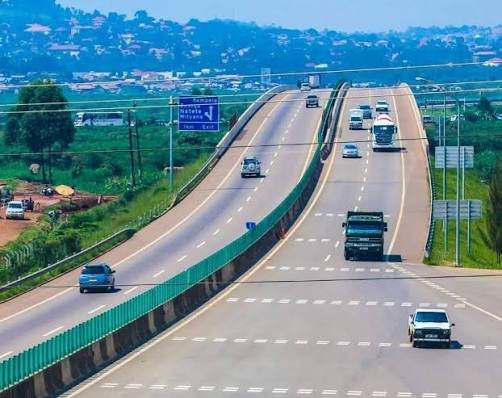
Are roads in Uganda good?The honest answer is: it depends almost entirely on which road you are driving and in which season. Uganda’s road network spans a considerable range — from modern expressways and well-maintained national highways that connect the country’s main cities on good tarmac, to secondary roads in variable condition, to murram tracks that are straightforward in the dry season and deeply challenging in the rains. A visitor driving the Kampala to Mbarara highway in July experiences a very different Uganda road from a visitor descending the escarpment to Bwindi’s Nkuringo sector in April. Understanding this variation is not a reason to avoid Uganda’s self drive circuit — it is the most useful piece of pre-trip knowledge a self drive visitor can have, because it shapes vehicle choice, route planning, and seasonal timing decisions that determine whether the circuit is comfortable or exhausting. This guide covers Uganda’s road network honestly across every category: the main tarmac highways that are genuinely good, the secondary road variability, the national park approach roads that require 4×4 capability, the enormous difference that season makes, Uganda’s most demanding safari roads, speed bumps as the most underappreciated road hazard on the circuit, and how to match vehicle to road type. Browse our car hire and self drive options and Uganda self drive packages for vehicle and itinerary planning built around Uganda’s actual road conditions.
The Main Highway Network — Uganda’s Best Roads
Uganda’s main national highway network connecting its principal cities is, on its strongest sections, genuinely good tarmac that carries traffic at comfortable speeds and handles self drive visitors without difficulty. The Kampala to Entebbe expressway — a modern toll road that opened in recent years — is among the best road infrastructure in East Africa, with dual carriageway sections, well-maintained surface, and clear signage. The Kampala to Masaka to Mbarara corridor, Uganda’s main southern highway, is predominantly tarmac and well-maintained, carrying commercial traffic between Kampala and Uganda’s southwestern cities on a road that self drive visitors find comfortable. The Mbarara to Kasese section continuing northwest toward Fort Portal and the Kampala to Mubende to Fort Portal route are both predominantly tarmac and accessible in a properly equipped SUV, though the Kyenjojo area on the Fort Portal approach has sections that require attentive driving rather than the relaxed highway cruising that Mbarara to Kampala allows. These main highway sections represent Uganda’s best road conditions and account for a significant proportion of the total driving distance on most western Uganda safari circuits. On these routes, the road quality is not a limiting factor and the self drive experience is as comfortable as comparable highway driving in many other parts of the world.
Secondary Roads and Town Connections — Variable Conditions
Below the main national highway network, Uganda’s secondary road network becomes considerably more variable — and this is where first-time Uganda self drive visitors sometimes find conditions different from expectations calibrated on the highways. Secondary roads connecting smaller towns, market centres, and district headquarters range from reasonable tarmac with potholes to compacted murram with manageable roughness to poorly maintained tracks that require vehicle clearance and 4×4 engagement. The condition of secondary roads also changes significantly with proximity to the most recent road maintenance cycle, which is not always predictable from maps or planning tools. As a practical rule, secondary roads in Uganda’s more economically active districts — around Fort Portal, Mbarara, and Kabale — are better maintained than equivalent secondary roads in more remote areas. Market town connections that see heavy daily commercial traffic are often more compacted and manageable than roads that serve primarily residential areas with lower vehicle frequency.
National Park Approach Roads — The Murram Reality
The approach roads to Uganda’s national parks represent the most variable and often most demanding driving on the safari circuit, and understanding them park by park is essential for vehicle and planning decisions. Kibale Forest National Park’s approach from Fort Portal is tarmac and unaffected by rainfall — one of Uganda’s most accessible park approaches. Queen Elizabeth National Park’s main approach from Kasese is good tarmac to Mweya; the interior game circuits are murram but generally well-compacted in dry season. Murchison Falls National Park’s southern bank approach from Masindi is manageable tarmac; the northern bank game tracks are murram and require 4×4. Bwindi Impenetrable National Park’s sector approaches vary by sector: Buhoma is reached via murram from Butogota; Rushaga is murram from the main road; Nkuringo involves a steep escarpment descent that is Uganda’s most technically demanding park approach. Kidepo Valley National Park in the far northeast has the longest murram approach of any Uganda national park — a road that covers significant distance on variable surface before reaching the park gate. Across all these parks, the 4×4 specification of the rental vehicle is the primary factor determining whether the approach roads are a manageable adventure or a damaging ordeal.
Seasonal Variation — How Much Roads Change
Season transforms Uganda’s road quality on every road below the main tarmac highway standard, and the variation between dry season conditions and wet season conditions on Uganda’s murram roads is greater than visitors from more temperate climates typically anticipate. In dry season — June to September and December to February — murram roads compact firmly under traffic, the soil surface holds together, and approach roads that require 4×4 in principle can often be driven without engaging four-wheel drive for significant stretches. In wet season — March to May and October to November — the same murram roads absorb rainfall into mud, develop deep ruts from vehicle passage, and on steep gradient sections become surfaces that require low-range four-wheel drive and significant driving skill to negotiate without getting stuck. The Bwindi sector approach roads in April wet season are genuinely demanding even in a Land Cruiser Prado; the Kidepo road in November can present conditions that are challenging for any vehicle. The practical implication for self drive planning is that wet season circuits require a vehicle upgrade — from RAV4 to Prado, or from Prado to Land Cruiser V8 on Bwindi’s most demanding sectors — and conservative daily driving distances that allow for slower progress on degraded surfaces.
Uganda’s Most Demanding Safari Roads
Several Uganda safari roads stand out as requiring specific vehicle capability, driver experience, and preparation that the standard highway driving on the circuit does not. The Bwindi Nkuringo escarpment descent is Uganda’s most technically demanding self drive road — a steep, narrow track with tight switchbacks, significant gradient, and drop exposure that requires a Toyota Land Cruiser Prado minimum and deliberate low-speed technique rather than standard hill descent. The Semliki Valley escarpment road from Fort Portal to Semliki National Park combines steep gradient with a road surface that degrades in the rains to the point where the Prado is recommended year-round. The Kidepo Valley road from Gulu through Kitgum is Uganda’s longest demanding murram approach — the distance and surface combination that makes Kidepo the most committing Uganda safari destination from a vehicle standpoint. The Murchison Falls delta tracks on the northern bank can be deeply rutted after heavy rain. None of these roads is impassable in the right vehicle with appropriate preparation — they are simply roads that reward correct vehicle choice and punish optimistic under-specification.
Speed Bumps — Uganda’s Most Underappreciated Road Hazard
Speed bumps are present on almost every paved road in Uganda that passes through a town, market centre, trading post, or school zone — and many of them are unmarked, poorly signed, and positioned without warning that would give a driver at normal speed enough distance to slow adequately. The speed bump is Uganda’s primary traffic speed management tool outside the main highways, and treating it as a secondary concern relative to pothole avoidance or road surface quality is the mistake that damages suspension components and wheel rims more than any other single road hazard on the Uganda circuit. The practical driving discipline is to reduce speed to below 30 kilometres per hour whenever approaching a built-up area or any settlement of any size, regardless of whether a speed bump has been sighted, and to treat any white-painted road feature as a potential speed bump until confirmed otherwise. This discipline costs a few minutes of time on any given day and saves substantial vehicle stress across the accumulated kilometres of a Uganda circuit.
Matching Vehicle to Uganda’s Road Reality
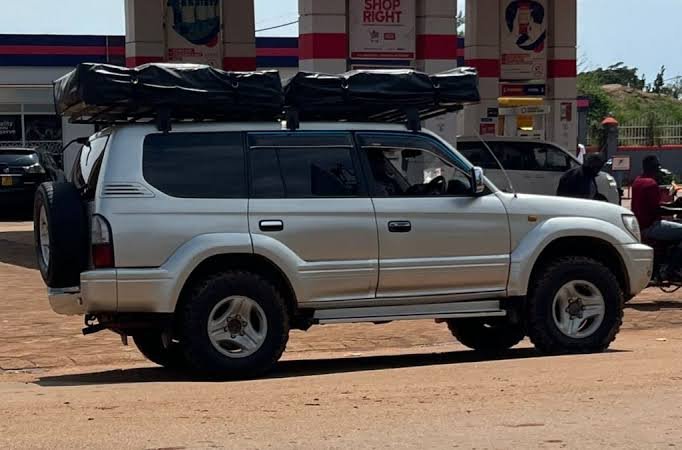
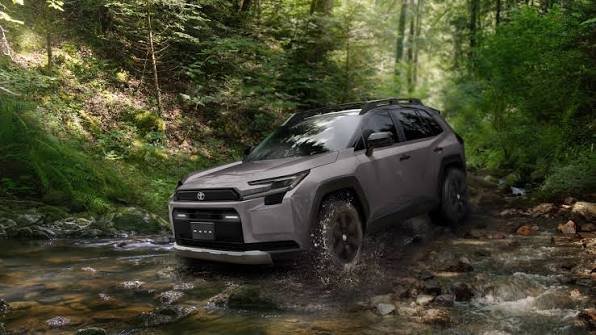
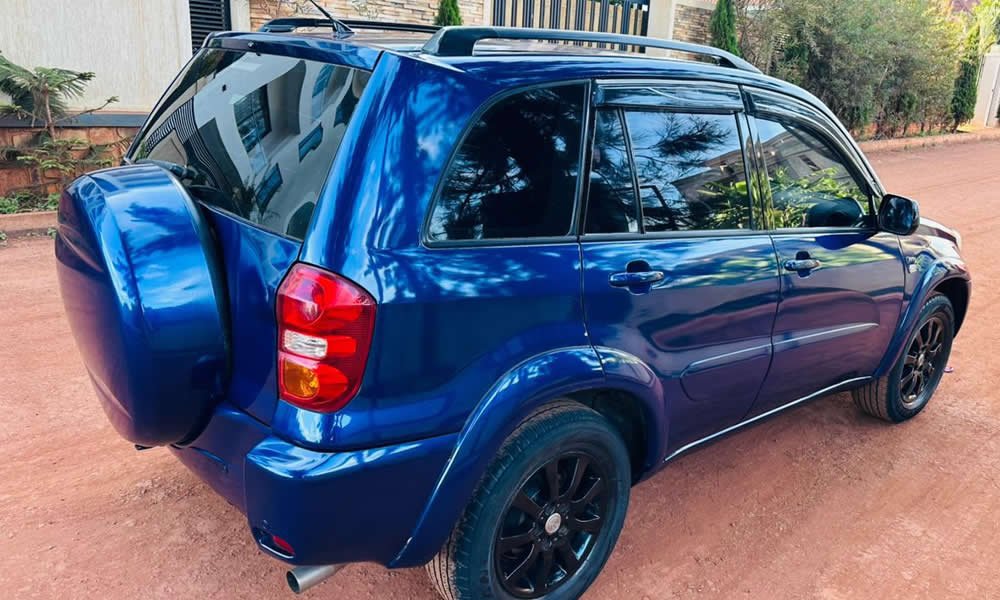
The road network Uganda presents to self drive visitors rewards correct vehicle specification more than almost any other East Africa safari destination. A Toyota RAV4 Safari from our self drive fleet is the right vehicle for circuits that stay on the main tarmac highway network and the more accessible park approaches — Kibale, Queen Elizabeth main sectors, and Lake Mburo — in dry season. A Toyota Land Cruiser Prado is the appropriate vehicle for any circuit that includes Bwindi, Semliki, Murchison’s northern bank, or any travel in the wet season. The Prado is also the right choice for first-time Uganda self drive visitors who are not certain which road conditions they will encounter, as it handles the full range of Uganda’s roads confidently where the RAV4 handles only the more accessible portion. Browse our best 4×4 car hire deals or contact our team today for vehicle advice matched to your specific circuit roads and travel dates.
Related posts

Leave a Comment