
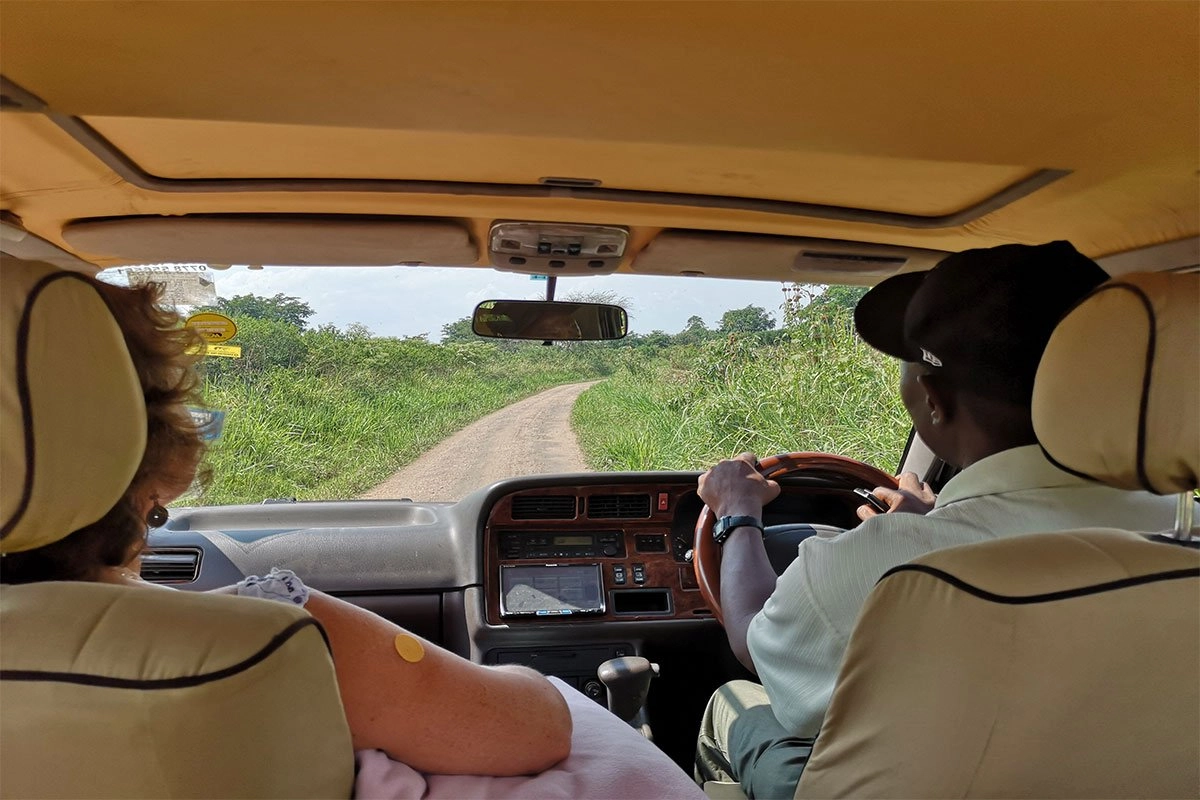
Exploring Kabale by car.Kabale sits at approximately 1,869 metres above sea level in Uganda’s far southwest — a compact highland town surrounded by terraced hillsides so densely cultivated and so dramatically contoured that Kabale earned its “Switzerland of Africa” label from the first travellers who encountered it and found nothing else in equatorial East Africa that looked remotely like it. At this elevation the air is sharper, mornings are cool enough to require a fleece, and the landscape’s visual intensity — a seemingly endless cascade of green terraced ridges descending into valley floors — is unlike anything else on the Uganda safari circuit. For self drive visitors, Kabale’s position in Uganda’s southwestern corner makes it one of the country’s most important hub towns: the base for Bwindi Impenetrable National Park gorilla trekking across multiple sectors, the nearest town to Lake Bunyonyi, the gateway to Mgahinga Gorilla National Park, and the Uganda side of the Katuna–Gatuna border crossing into Rwanda. This guide covers Kabale as a car-based exploration destination, the drive from Kampala and Entebbe, the town and its immediate surroundings, the national parks Kabale accesses, and the vehicle considerations that southwestern Uganda’s terrain makes important. Browse our Uganda self drive packages and car hire and self drive options for vehicle availability and itinerary support.
The Drive to Kabale — From Kampala and Entebbe
The self drive from Entebbe or Kampala to Kabale covers approximately 410 kilometres on the main southern highway through Masaka and Mbarara — Uganda’s best-maintained long-distance road corridor, predominantly tarmac, with road quality that is among the most consistent in the country outside the Kampala urban area. The drive takes six to seven hours from Entebbe including a fuel stop in Mbarara, which at approximately 270 kilometres from Entebbe represents the last major fuel opportunity before Kabale and should be used even if the tank is not yet running low. The approach into Kabale from Mbarara is one of Uganda’s great self drive arrival sequences: the road climbs steadily from Mbarara’s relative flatness into the highland country of Kabale district, and the terraced hillsides begin appearing on either side of the road with increasing drama as the elevation rises toward town. Arriving in Kabale in the late afternoon gives the best light for the hillside terracing — the low angle catches the contour lines of the ridges in a way that photographs well and that makes the approach feel like a reward for the driving day rather than simply its conclusion. Kabale is compact and its town centre is navigable without difficulty in a self drive vehicle, though the streets in the market area are narrow enough that a Toyota Land Cruiser V8 requires care while a Toyota RAV4 Safari moves through without concern.
Kabale Town by Car — What the Driving Reveals
Kabale town is small enough to explore comprehensively in a morning’s driving circuit but worth enough stops to fill that morning without rushing. The town centre sits on relatively flat ground at the valley floor, ringed by the steep terraced hillsides that give Kabale its character and that are only fully understood by driving up them. The road that climbs behind the main commercial area toward Kabale’s upper residential neighbourhoods delivers a hill-road driving experience — tight corners, steep gradients, and views that open progressively over the valley as the vehicle climbs — that gives a physical sense of the terrain that the town’s appearance from the valley floor does not convey. Kabale’s market is a worthwhile stop for fresh produce, local crafts, and the kind of authentic market interaction that larger Ugandan cities increasingly channel into more organised tourist retail. The White Horse Inn, Kabale’s most historically established accommodation option, is set in grounds on a hill above the town centre and has served as the base for Uganda’s southwestern safari circuit for decades — worth a coffee stop regardless of where you are staying, as the terrace view over the surrounding hills makes it one of the better morning stops on the western Uganda circuit.
Lake Bunyonyi — Eight Kilometres from Town
Lake Bunyonyi is the most rewarding immediate driving destination from Kabale, and at approximately eight kilometres from the town centre it is among the closest significant natural attractions to any town on the Uganda safari circuit. The road from Kabale to Lake Bunyonyi descends from the town on a narrow tarmac road that provides improving views of the lake as it drops toward the shore — a drive of fifteen to twenty minutes that opens onto one of Uganda’s most extraordinary landscapes at the water’s edge. Lake Bunyonyi fills a deep glacial valley at 1,962 metres above sea level, is surrounded by terraced hillsides that rise steeply from all shores, and is dotted with twenty-nine islands of varying sizes — the combination of altitude, island landscape, and encircling hills creates a visual environment unlike any other lake in Uganda. The lake is safe for swimming — bilharzia-free, which is unusual for Uganda — and the shoreside accommodation options range from budget to mid-range with boat hire available for island exploration. Self drive visitors using Kabale as a base typically combine a Lake Bunyonyi afternoon with a Bwindi gorilla trek morning on a two or three-night Kabale itinerary, using the lake as the rest and recovery element of the circuit rather than a dedicated destination in its own right. The road to Lake Bunyonyi is tarmac and accessible in any vehicle including a RAV4.
Kabale as the Bwindi Gateway — Multiple Sector Roads
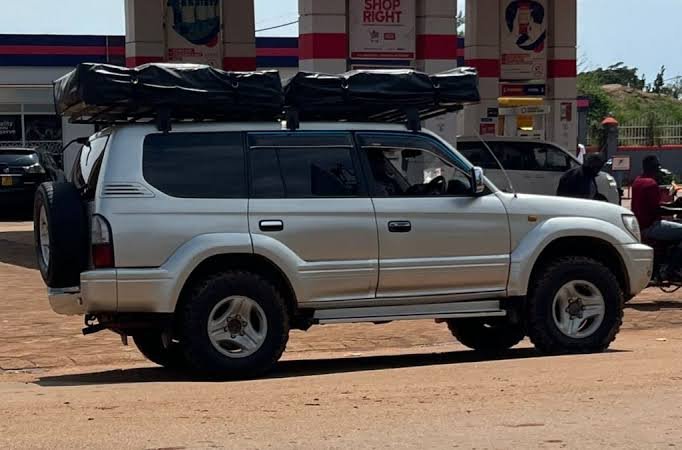
Kabale serves as the practical base for Bwindi Impenetrable National Park gorilla trekking across three of the park’s four sectors, and the driving routes to each from Kabale differ meaningfully in distance, road condition, and vehicle requirement. The Rushaga sector — the closest Bwindi access point to Kabale — is approximately 85 kilometres via a road that is partly tarmac and partly murram, requiring around two hours in dry season conditions. Rushaga’s approach is demanding but manageable in a Toyota Land Cruiser Prado and is the sector a Kabale-based self drive circuit most naturally uses. The Nkuringo sector’s final approach is one of Uganda’s most demanding self drive road sections — a steep escarpment descent with tight switchbacks and significant exposure — and a Prado is the minimum appropriate vehicle for this sector regardless of season. Buhoma, Bwindi’s most established sector, is approximately 105 kilometres from Kabale and takes two and a half to three hours through Butogota on murram sections that a Prado handles confidently; self drive visitors planning to trek at Buhoma from Kabale should allow a pre-dawn departure to reach the 8am briefing without rushing. For gorilla trekking safaris using Kabale as the hub, our team can advise on which sector best matches your vehicle, dates, and driving confidence.
The Road to Mgahinga — Kisoro and Beyond
Mgahinga Gorilla National Park sits in Uganda’s far southwestern corner where the borders of Uganda, Rwanda, and the DRC meet at the foot of the Virunga volcano chain. The drive from Kabale to Kisoro — the town that serves as Mgahinga’s base — covers approximately 95 kilometres through some of southwestern Uganda’s most dramatic highland scenery, passing through narrow valleys and over ridgeline sections with progressive views of the Virunga volcanoes emerging on the southern horizon as the drive descends into the Kisoro basin. The Kabale to Kisoro road takes approximately two hours and is predominantly tarmac; from Kisoro, the Mgahinga park gate is a further 14 kilometres on murram. Mgahinga’s gorilla trekking briefing begins at 8am, which from Kabale means a 5:30am departure to arrive without rushing. The Kisoro road also serves as the approach for the Cyanika border crossing into Rwanda’s Musanze area — self drive visitors combining Mgahinga with Rwanda’s Volcanoes National Park use this same route from Kabale.
The Katuna Border and the Rwanda Connection
The Katuna–Gatuna border crossing is approximately 15 kilometres south of Kabale town on the main road toward Rwanda — a short drive that connects Kabale directly to the southwestern Rwanda road network and to Kigali approximately two and a half hours beyond the border. For self drive visitors on Uganda–Rwanda cross-border circuits, Kabale functions as the logical final or first Uganda overnight before the border crossing — close enough to reach the border at a reasonable morning hour after a Bwindi trek day and far enough from Kampala to justify using as a circuit endpoint rather than pushing through to Entebbe. Our 10-day Rwanda Uganda safari framework uses the Katuna–Gatuna crossing as the circuit transition point between the Uganda western parks and Rwanda’s national parks, with Kabale as the overnight before the crossing.
Vehicle Requirements and Planning from Kabale
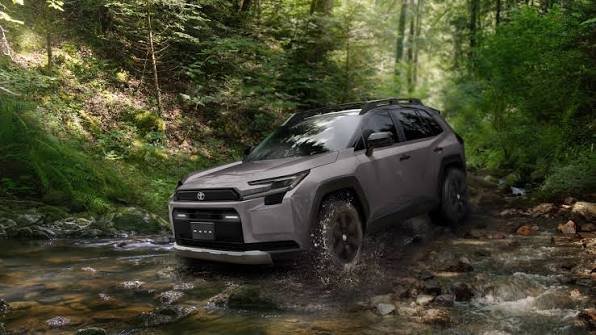
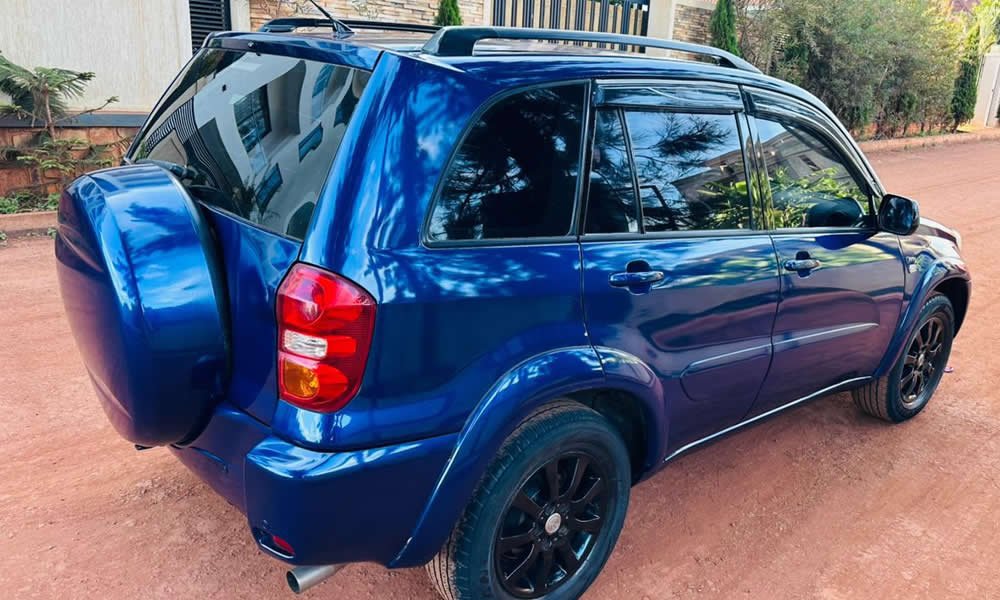
A Toyota Land Cruiser Prado from our self drive fleet is the right vehicle for any Kabale-based circuit that includes Bwindi trekking at Rushaga, Nkuringo, or Buhoma — the combination of murram approach roads, the Nkuringo descent, and the generally wet conditions that Bwindi’s high-altitude forest generates makes the Prado’s capability not a luxury upgrade but a practical requirement. A Toyota RAV4 Safari handles the Kabale town driving, the Lake Bunyonyi run, and the Kisoro–Mgahinga approach in dry conditions. Fuel in Kabale should be topped up before departing for any Bwindi sector, as the murram sections add to fuel consumption and the park circuits offer no fuel supply. Browse our best 4×4 car hire deals or contact our team today to plan a Kabale-based self drive circuit with the right vehicle for Bwindi’s sectors and the highland roads that make southwestern Uganda’s self drive one of the most visually rewarding on the entire circuit.
Related posts

Leave a Comment