
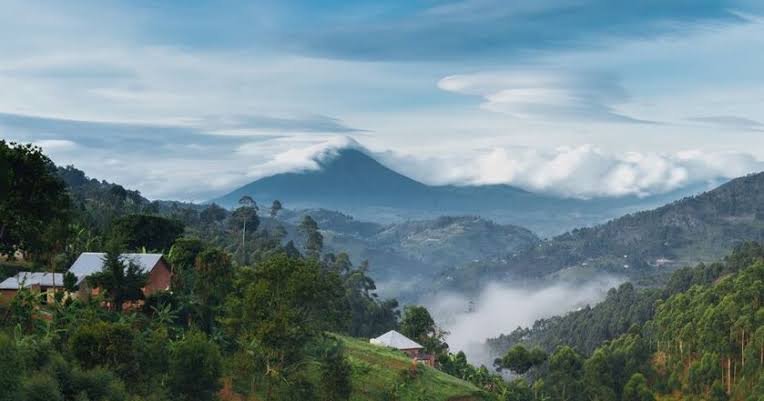
Uganda in March travel guide.March sits at the hinge point of Uganda’s annual weather cycle — the month when the dry season’s reliable sunshine and firm road surfaces give way to the long rains that run through April and May, and the month that many Uganda safari guides reflexively place in the “challenging season” column without acknowledging the very real rewards it offers. The honest picture of Uganda in March is more nuanced and more interesting than a simple wet-season warning: the rains in March typically arrive as afternoon showers rather than all-day downpours, the mornings are often clear and excellent for game drives and gorilla trekking, the landscape turns to the vivid green that makes Uganda’s hill country and forest parks extraordinarily photogenic, and the reduction in visitor numbers from the peak dry season months of July through September creates a more private, less crowded safari experience across every park on the circuit. The trade-offs are real — some road conditions deteriorate in March in ways that affect vehicle choice and campsite access — but they are specific and manageable with the right preparation rather than reasons to avoid Uganda entirely in this month. This complete March Uganda self drive guide covers what the weather actually looks like on the ground, how each major national park performs in March, the vehicle upgrade that March conditions make important, what to pack for a wet-season Uganda circuit, and the advantages that visitors who choose March over the peak dry season genuinely enjoy. Browse our Uganda self drive packages and car hire and self drive options for March-ready vehicle and itinerary planning.
What Uganda’s March Weather Actually Looks Like
The common impression of Uganda’s wet season is of relentless, circuit-disrupting rain — an impression that the term “long rains” reinforces but that Uganda’s actual March weather pattern does not support for most of the month. March typically begins with conditions still close to the dry season — clear mornings, warm sunny afternoons, and occasional showers that are isolated rather than sustained. As the month progresses, afternoon rainfall becomes more regular and more predictable, but the pattern that most March visitors actually experience is manageable: early mornings clear and dry with excellent light for photography and game drives, afternoon rains arriving between roughly 2pm and 5pm and clearing by early evening, and nights that are cool and clean after the rain. Uganda’s different regions experience the wet season transition at slightly different rates — the southwestern highland parks of Bwindi and Mgahinga begin their wet season earlier and more intensely than the savannah parks of Queen Elizabeth and Murchison, and the northeastern Kidepo Valley follows a separate seasonal pattern that makes it drier in March than most of the country. For self drive visitors, the practical implication is that morning game drives and gorilla trekking briefings — which begin at 8:00am — typically fall within the clear dry window, and the afternoon rains arrive after the most intensive wildlife activity period is complete.
Gorilla Trekking in March — Why It Is Actually an Excellent Choice
Gorilla trekking at Bwindi Impenetrable National Park in March is one of the best choices a visitor can make for this activity — a counterintuitive claim that the evidence from the forest consistently supports. March is the start of the wet season and Bwindi’s forest is beginning its most lush and vivid green phase, with new vegetation growth creating a dense, intensely atmospheric forest environment that the dry season’s more open canopy cannot replicate photographically. Gorilla permit availability in March is better than in the July-September peak, when permits sell out months in advance and the competition for last-minute availability is intense. Accommodation prices near Bwindi’s sector gates are often lower in March than in peak season, making the overall gorilla trekking cost more accessible for budget-conscious visitors. The gorilla trek itself is physically more demanding in March — wet trails are slippery and the vegetation is denser — but the habituated gorilla families are present year-round regardless of weather, and the encounter hour with the gorillas in the green March forest has a visual and atmospheric quality that dry season encounters in more open, dusty conditions cannot match. Good waterproof boots and a reliable rain jacket are the essential preparation additions for a March gorilla trek; the experience itself rewards the preparation thoroughly.
Park by Park — March Conditions Across Uganda
Each of Uganda’s major national parks presents differently in March, and understanding the park-specific conditions helps plan a March circuit around the destinations that perform best and approach the more challenging ones with appropriate preparation. Queen Elizabeth National Park holds up very well in March — the Kasenyi Plains game drives remain productive as predators and prey are active in the increasingly green grassland, the Kazinga Channel boat cruise is unaffected by rainfall and is excellent year-round, and the main game circuit tracks are a mix of tarmac and compacted murram that a properly equipped 4×4 handles without difficulty even in March rain. The Ishasha sector’s tree-climbing lions are present year-round and the Ishasha access road is manageable in a Prado in March. Kibale Forest National Park is excellent in March — the forest is at its most verdant, chimpanzee activity is unaffected by the rains, and the approach from Fort Portal is on tarmac that the wet season does not compromise. Murchison Falls National Park begins to show March wet-season effects on its more remote tracks — the northern bank’s Buligi circuit main tracks are manageable in a Prado, but the delta area tracks and the more remote northern bank routes are best approached with caution and extra ground clearance in March. Lake Mburo National Park’s main game circuit is generally accessible in March as its terrain is less demanding than the western parks. Kidepo Valley National Park in the remote northeast is actually in one of its better periods in March for a different reason — the landscape is greening and wildlife is active, while the dramatic isolation of the park remains fully intact.
Vehicle Upgrade for March — The Prado Case
March is the month when the upgrade from a Toyota RAV4 Safari to a Toyota Land Cruiser Prado moves from an optional consideration to a strongly recommended default for any circuit that includes Bwindi. The Bwindi sector approach roads — particularly Rushaga and Nkuringo, which are demanding even in dry conditions — become significantly more challenging in March as the volcanic soil softens and the steep sections that require low-range four-wheel drive become genuinely slippery. The Prado’s greater ground clearance, longer travel suspension, stronger low-range torque, and locking rear differential handle these conditions with confidence that the RAV4 Safari cannot consistently replicate in wet-season Bwindi. For circuits limited to Queen Elizabeth, Lake Mburo, and Kibale — parks where the approach roads and main game tracks are tarmac or managed murram — the RAV4 Safari remains a capable and economical March choice. The Prado becomes the appropriate specification for any March circuit that includes Bwindi, Murchison’s more remote tracks, or any route that passes through the southwestern highlands on unpaved sections. Our self drive fleet includes both RAV4 Safari and Land Cruiser Prado configurations, and our booking team advises on the right vehicle for each specific March circuit at the time of reservation.
What to Pack and the Advantages of Choosing March
A March Uganda circuit requires a few specific additions to the standard safari packing list that make the wet-season conditions manageable rather than disruptive. Waterproof hiking boots with ankle support are essential for the gorilla trek and any forest walk — trail conditions in March require footwear that grips wet roots and resists mud rather than the light trail shoes that dry-season tracks allow. A quality waterproof jacket with a hood that stays secure in wind is the single most important clothing addition for a March circuit. A dry bag or waterproof camera case protects photography equipment during afternoon rain periods and during forest walks where canopy drip continues after the rain itself has stopped. Against these additions, March offers advantages that peak-season visitors pay a premium to approach: meaningfully smaller crowds at every park and every gorilla trek briefing, better permit availability at Bwindi and Volcanoes, lower accommodation rates at some lodges that offer wet-season pricing, and the extraordinary visual reward of Uganda’s landscapes in their most vivid green state. For birding visitors, March is outstanding — migratory species are still present before their departure, resident species are in breeding plumage, and the forest parks in particular hold bird activity that the dry season cannot match. Browse our gorilla trekking safaris and Uganda self drive packages, or contact our team today to plan a March Uganda self drive with the right vehicle and an itinerary that makes the most of what this underrated month genuinely offers.
Related posts

Leave a Comment