
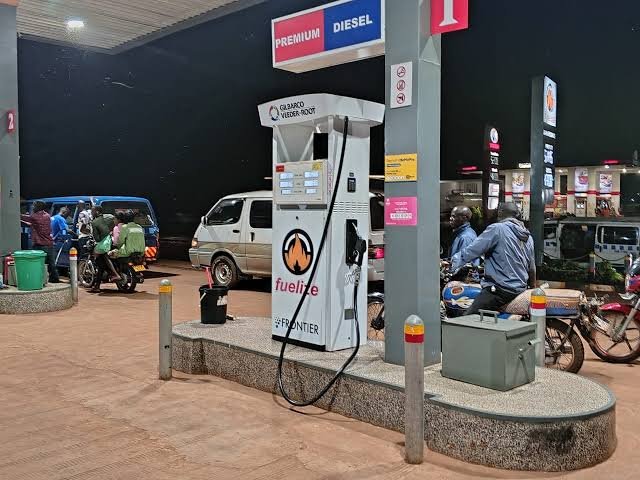
Fuel stations in Uganda.Fuel planning is one of the most practically important aspects of self drive safari preparation in Uganda, and it is the one area where insufficient planning can strand a vehicle in a location where the consequences go well beyond inconvenience. Uganda’s fuel station network is excellent in its cities, major towns, and on the principal highway corridors — Kampala, Entebbe, Mbarara, Fort Portal, Kabale, Masindi, and Gulu all have multiple competing stations with reliable supply and consistent quality. But the national parks and the remote routes that connect them are a different picture entirely: there are no fuel stations inside any of Uganda’s national parks, coverage thins dramatically between major towns on some safari circuits, and the most remote routes — Kidepo Valley in the northeast, the Semliki Valley in the west, the Murchison Falls northern bank tracks — require careful advance fuelling and in some cases a spare jerrycan to complete without anxiety. Understanding exactly where fuel is available on your specific Uganda self drive circuit, which fuel type your vehicle uses, what payment methods Uganda’s stations accept, and which routes demand extra planning is the difference between a circuit that flows confidently and one interrupted by a fuel crisis on a track with no phone signal. This complete guide covers Uganda’s fuel station network, the critical fuel stops on every major safari circuit, the remote routes that demand extra planning, and the practical habits that experienced Uganda self drive visitors apply throughout their circuit. Browse our self drive planning guide and car hire and self drive options for complete Uganda circuit preparation.
Uganda’s Fuel Station Network — Brands and Quality
Uganda’s fuel retail market is served by a range of international and regional brands whose station networks cover the main highway corridors and urban areas with competitive pricing and reliable fuel quality. TotalEnergies is among the most widely distributed brands with stations in all major towns on the Uganda safari circuit. Shell — operating as Vivo Energy in the region — has a strong presence in urban centres. Hass Petroleum, Stabex, and Petro are regional brands with significant coverage on Uganda’s main routes. At branded stations from established operators, fuel quality is consistent and appropriate for all vehicle types on the self drive fleet. Smaller independent roadside fuel sellers — jerry cans and hand-pumped containers sold from roadside shacks in rural areas — exist on remote routes where formal stations are absent, and while they can solve an emergency fuel shortage, the fuel quality from informal sellers is variable and unverified. Our consistent advice to self drive visitors is to use branded stations at major town stops and to plan your circuit so that you never need to resort to informal roadside fuel if it can be avoided. The safari vehicles in our self drive fleet — Toyota RAV4 Safari, Land Cruiser Prado, and Land Cruiser V8 — are all diesel-powered, and diesel is readily available at all established branded stations throughout Uganda.
Key Fuel Stops on the Uganda Safari Circuit — Town by Town
The Uganda safari circuit has a reliable sequence of fuel towns that, approached in the right order, keeps any self drive vehicle adequately fuelled through even the longest inter-park transfer day. From Entebbe and Kampala, the first significant fuel town heading southwest is Mbarara — Uganda’s largest southwestern city, approximately 265 kilometres from Kampala, with multiple well-stocked stations and the most important refuelling point on the Queen Elizabeth and Bwindi approach. Fill completely in Mbarara regardless of remaining fuel level whenever the circuit takes you through the town — it is the last well-stocked fuel hub before the game park corridor begins in both directions. Kabale, in Uganda’s far southwest near the Rwanda border, has reliable stations and is the fuel reference point for Bwindi and Lake Bunyonyi approaches. Fort Portal in the west has good fuel availability and is the essential fill point before Kibale Forest and Semliki. Masindi is the critical fuel stop before Murchison Falls National Park — fill completely here before the Murchison approach regardless of what the gauge shows, as fuel inside and immediately around the park is limited. Kasese and Ishaka serve as the western Queen Elizabeth approach fuel stops. On the northern circuit to Kidepo, Gulu and Moroto or Kotido are the last reliable stations before the park.
Inside the National Parks — No Fuel Available
Without exception, none of Uganda’s national parks has a fuel station inside its boundaries, and the assumption that fuel will be available within or adjacent to a park gate is the most dangerous fuel planning error a self drive visitor can make. Queen Elizabeth National Park has no fuel at Mweya, at the Kasenyi gate, or anywhere on the game circuit tracks — the nearest reliable fuel is Kasese to the north or Ishaka to the east. Bwindi Impenetrable National Park has no fuel at any of its four sector gates — Buhoma, Ruhija, Rushaga, or Nkuringo. Small amounts of fuel are occasionally available in Butogota near the Buhoma approach, but supply is unreliable and this cannot be planned around. Kibale Forest National Park has no fuel at Kanyanchu — fill at Fort Portal and carry enough for the Kibale circuit and the onward drive to the next town. Murchison Falls National Park has very limited and expensive fuel available at Paraa ferry crossing in some seasons, but this is not reliable — treat Masindi as your last certain fuel point and carry enough for the full Murchison circuit including the northern bank game tracks, delta drive, and return to Masindi. Lake Mburo National Park has no fuel inside the park — fill at Mbarara before the Lake Mburo approach or at the small trading centre on the road to the main gate.
Remote Routes — When to Carry a Jerrycan
Several Uganda safari routes are remote enough that carrying a 20-litre spare jerrycan is the standard and sensible precaution rather than an excessive measure. The Kidepo Valley circuit in Uganda’s remote northeast is the most fuel-critical route on the Uganda safari map — Kidepo Valley National Park is approximately 700 kilometres from Kampala on roads through Gulu and Kitgum, and the Moroto or Kotido area represents the last reliable fuel before the park with limited supply that may not always meet demand from multiple vehicles. Carry a full jerrycan from the last reliable station for the Kidepo circuit without exception. The Semliki Valley route from Fort Portal via the Rwenzori escarpment has no fuel stations between Fort Portal and the valley, and the round trip from Fort Portal to Semliki and back requires adequate tank capacity plus the security of a spare jerrycan for the return climb. Murchison Falls northern bank track visitors covering the full delta circuit from Paraa should carry a spare for the longer day tracks that extend well beyond reasonable fuel range from the lodge fuel point. Our GPS device includes fuel station data for the main Uganda routes, but in remote areas this data should be treated as indicative rather than guaranteed — a jerrycan is the reliable backup that no GPS data can replace.
Payment at Uganda Fuel Stations
Cash payment in Uganda shillings is the most widely accepted and most reliable payment method at fuel stations throughout Uganda, and self drive visitors should carry sufficient Uganda shillings to cover fuel costs at every stage of the circuit without dependence on card payment infrastructure. Credit and debit card acceptance at Uganda fuel stations is available at some branches of major branded operators in urban centres — Kampala, Entebbe, and Mbarara have stations with functioning card terminals — but card machines are unreliable or unavailable in smaller towns and on rural routes, and planning a circuit where any refuelling stop depends on card payment working correctly is a planning vulnerability. Withdraw Uganda shillings at ATMs in Entebbe, Kampala, or Mbarara at the start of the circuit and maintain a fuel cash reserve throughout. The fuel budget for a complete Uganda circuit in a diesel RAV4 Safari consuming 10 litres per 100 kilometres is manageable — a 700 to 900-kilometre full western Uganda circuit from Entebbe requires approximately 70 to 90 litres of diesel — and maintaining this cash reserve alongside the circuit’s other cash requirements is straightforward with advance withdrawal. Browse our best 4×4 car hire deals and car hire and self drive options, or contact our team today for a complete fuel planning briefing matched to your specific Uganda self drive circuit.
Related posts


Leave a Comment