
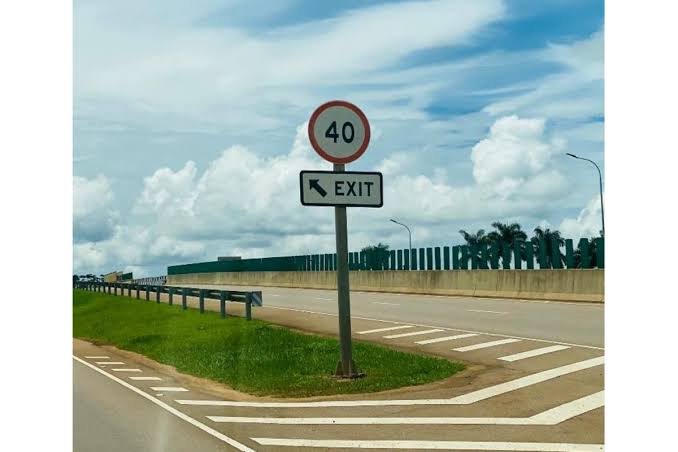
Speed limits in Uganda.Understanding Uganda’s speed limits before you collect your rental vehicle is one of the most practical preparations a self drive visitor can make — not because Uganda’s limits are unusually strict, but because the way speed is managed on Uganda’s roads is different from what most international visitors expect, and the consequences of getting it wrong range from an on-the-spot fine at a police checkpoint to serious vehicle damage on an unmarked speed bump. Uganda’s national speed limits are straightforward: 50 kilometres per hour in built-up areas including towns, trading centres, and villages, and 80 kilometres per hour on open roads and highways outside built-up areas. These limits are set under Uganda’s Traffic and Road Safety Act and apply throughout the country on all public roads. What makes Uganda’s speed management distinctive for self drive visitors is not the posted limits themselves but the physical enforcement infrastructure — a network of speed bumps covering virtually every town, trading centre, school, hospital, market, and village on every major road in the country, many of them unmarked or poorly signed and all of them capable of causing serious vehicle damage at anything above a slow crawl. This complete guide covers Uganda’s speed limits in detail, the speed bump reality that every self drive visitor encounters within the first hour of driving, how Uganda’s traffic police enforce speed regulations, the comparison with Rwanda’s stricter limits for cross-border visitors, and the practical approaches that experienced Uganda self drive visitors apply to stay compliant and vehicle-safe throughout their circuit. Browse our car hire and self drive options and self drive planning guide for complete Uganda driving preparation.
Uganda’s Speed Limits — The Official Framework
The legal speed limits in Uganda are established by the Traffic and Road Safety Act and its associated regulations, and they apply uniformly across the country regardless of road quality or traffic volume. In built-up areas — defined as any area with development on both sides of the road, including towns, trading centres, villages, and market areas — the maximum speed limit is 50 kilometres per hour. On open roads and highways outside built-up areas, the maximum limit rises to 80 kilometres per hour. School zones, hospital approach roads, and areas with specific signage carry lower posted limits where applicable, and these should be observed as posted. The Kampala–Entebbe Expressway, Uganda’s only access-controlled highway, has its own designated speed limit which is signposted at entry and along the road. For the vast majority of Uganda self drive circuits — Entebbe to Lake Mburo, Kampala to Murchison Falls, the western circuit through Queen Elizabeth and Bwindi — the 50 kilometres per hour in-town and 80 kilometres per hour open-road framework covers all the roads visitors use, and keeping these two numbers in mind from the moment of vehicle collection is the foundational requirement for legal Uganda driving.
Speed Bumps — Uganda’s Primary Speed Management System
The speed bump is the most important speed management reality in Uganda for self drive visitors, and no description of Uganda’s speed limits is complete without addressing it directly. Uganda’s towns, trading centres, villages, markets, schools, hospitals, and fuel stations are almost universally approached and exited through a series of speed bumps — raised road humps designed to physically enforce the speed reduction that the built-up area limits require. In practice, Uganda’s speed bumps are more numerous, more severe in profile, and more inconsistently marked than visitors from Europe, North America, or even other African countries typically expect. A major highway between two national parks will pass through dozens of trading centres, and each one will contain multiple speed bumps — sometimes well-painted and signed in advance, sometimes faded, unmarked, and invisible until the vehicle is almost on top of them. Striking a Uganda speed bump at open-road speed causes immediate and serious vehicle damage — suspension components, tyres, and underbody protection all absorb impacts that the vehicle is not designed to sustain at highway speed. Experienced Uganda self drive visitors learn to apply the same approach at every trading centre on every road: reduce speed well before the settlement, watch for the first hump, and maintain a crawl speed through the full extent of the built-up area before gradually returning to open-road pace on the clear road beyond. The GPS device in our rental vehicles includes speed bump warnings on major Uganda routes, but vigilance at every roadside settlement — particularly at night — is essential regardless of GPS alerts.
How Uganda’s Traffic Police Enforce Speed Limits
Uganda’s traffic police enforce speed limits primarily through manned roadblocks and spot checks rather than the fixed camera infrastructure that characterises Rwanda’s speed enforcement. Police checkpoints are common on all major Uganda highways and operate as document verification and speed compliance stops — officers may use radar speed guns to check vehicle speed approaching the checkpoint, and vehicles clocked above the posted limit are directed to stop for a fine process. Uganda’s roadblock system also serves as the primary check for vehicle documentation — driving licence, International Driving Permit, vehicle registration, and insurance — and experienced self drive visitors keep these documents in the glovebox in an accessible wallet rather than in luggage, since being unable to produce documentation at a checkpoint causes delays disproportionate to the inconvenience of carrying the documents ready. On-the-spot fines for speeding are paid to the issuing officer and a receipt should always be requested. The fine amount varies with the degree of excess speed and the officer’s assessment of the violation. Staying within the posted limits — particularly the 50 kilometres per hour in-town limit, which is where most enforcement is concentrated — removes any interaction with the fine process entirely and keeps the self drive experience flowing without interruption.
Night Driving and Speed in Uganda
Speed limit compliance takes on additional importance after dark in Uganda, and most experienced self drive visitors avoid night driving entirely on Uganda’s highways for reasons directly connected to road speed safety. Uganda’s roads after dark present unmarked speed bumps with no visible warning, pedestrians and cyclists with no reflective clothing or lights, livestock on the carriageway, and vehicles without functioning lights that are invisible until they are directly ahead. The 80 kilometres per hour open-road limit assumes daylight road conditions and full visibility of road hazards ahead — at night, the safe driving speed on Uganda’s highways drops substantially below the legal limit even in the absence of police enforcement, and the vehicle damage risk from an unseen night-time speed bump at any significant speed is severe. Our vehicle handover briefing at Entebbe or Kigali collection advises all self drive visitors to plan Uganda driving days that complete all highway travel before dark, and our Uganda self drive packages are itinerary-designed to make this possible with sensible daily distance allocations.
Uganda vs Rwanda Speed Limits — The Cross-Border Adjustment
For self drive visitors crossing between Uganda and Rwanda, the speed limit adjustment at the border is an important recalibration in both directions. Rwanda’s speed limits are significantly stricter than Uganda’s — 40 kilometres per hour in built-up areas compared to Uganda’s 50, and 60 kilometres per hour on most inter-city roads compared to Uganda’s 80. Rwanda enforces its limits through a fixed speed camera network that is more comprehensive and more consistent than Uganda’s roadblock system, and fines for Rwanda speed limit violations are issued through camera evidence with a precision that Uganda’s checkpoint system does not replicate. Visitors entering Rwanda from Uganda must adjust immediately to the lower limits and the camera enforcement culture — the 40 kilometres per hour urban limit in Rwanda feels unusually slow to a visitor who has been driving 50 kilometres per hour through Uganda’s towns, and the instinct to maintain Uganda pace must be consciously overridden. Visitors entering Uganda from Rwanda experience the opposite adjustment — a slightly more relaxed limit in towns and a significantly higher open-road limit — but the Uganda speed bump reality means that the practical town speed in Uganda rarely differs from Rwanda regardless of the posted limit difference.
Practical Speed Management for Uganda Self Drive
The most practical approach to Uganda speed limits for self drive visitors is a simple two-rule discipline applied from the first moment of driving: inside any settlement, the default is 50 kilometres per hour or below and active attention to speed bumps; outside settlements, the default is a comfortable open-road cruise at or below 80 kilometres per hour with gradual deceleration well before any roadside development appears. Uganda’s highway driving is not demanding in speed management terms — the 80 kilometres per hour limit is appropriate for the road conditions on Uganda’s main tourist routes, and maintaining it comfortably is easy in a properly loaded RAV4 Safari or Land Cruiser Prado from our self drive fleet. The challenge is the transition zone — the approach to settlements where the speed bump appears before the built-up area signage does — and the discipline of reading the road ahead for settlement indicators (market stalls, pedestrian activity, side roads, school signs) and beginning the deceleration early is the skill that experienced Uganda self drive visitors develop quickly and that makes the entire circuit smoother and damage-free. Browse our best 4×4 car hire deals and car hire and self drive options, or contact our team today for a complete Uganda driving briefing alongside your rental vehicle.
Related posts

Leave a Comment