
Is self driving in Uganda safe.Self driving in Uganda is safe — but it requires an honest, grounded approach to the question rather than a simple yes or no answer. Uganda’s self drive safari circuit is enjoyed by thousands of independent travellers every year, from solo overlanders to families with young children, and the overwhelming majority of them complete their road trips without incident and return home with the experience as one of the highlights of their travel lives. The country is politically stable, its main tourist routes are well-tarmacked and clearly signposted, its national parks are managed by Uganda Wildlife Authority with professional ranger networks, and the population is overwhelmingly welcoming and helpful to foreign visitors on the road. At the same time, Uganda driving presents genuine challenges that differ from European, North American, or Australian road conditions — and understanding those challenges before you set off is exactly what turns a potentially stressful experience into a genuinely rewarding one. This guide covers the real safety picture for self drive Uganda visitors — the risks that are real, the risks that are overstated, and the practical steps that experienced self drivers take to keep every road trip safe.
The Road Network — What You Are Actually Driving On
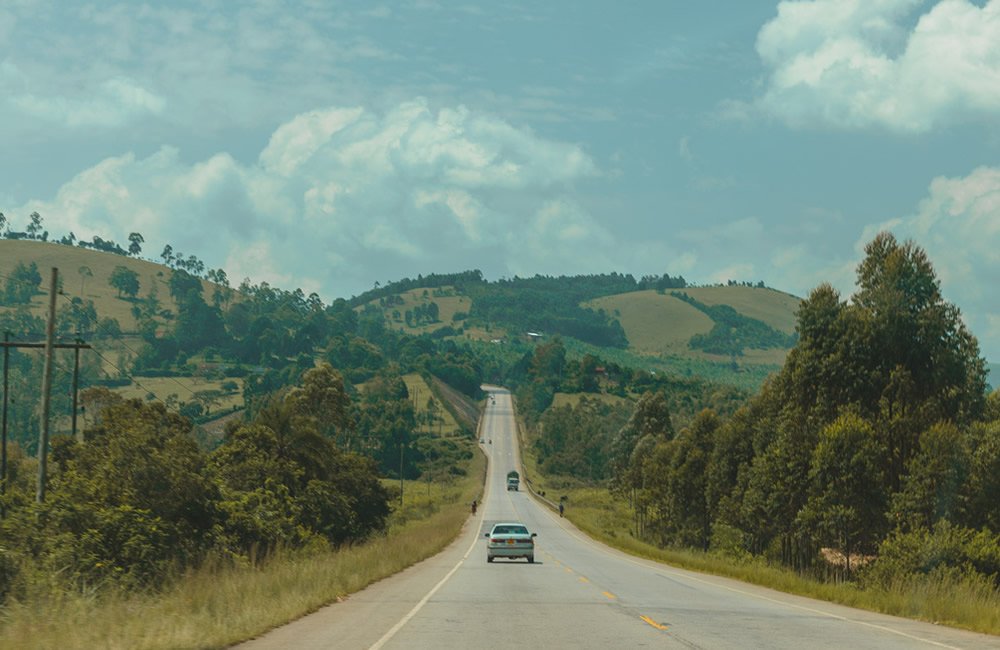
Uganda’s main tourist routes are in considerably better condition than many first-time visitors expect. The Kampala–Jinja Expressway is a modern dual-carriageway toll road, the Kampala–Masaka–Mbarara highway is well-maintained tarmac, and the main northern highway via Karuma Bridge to Murchison Falls is a smooth, fast road in good condition. These arterial routes connect all of Uganda’s major tourism destinations and can be driven comfortably in a Toyota RAV4 Safari or any vehicle in our Uganda self drive fleet. The challenges begin on secondary and approach roads — the gravel descent from Kabale to Bwindi’s Buhoma sector, the switchback road to Nkuringo, the remote tracks of Kidepo Valley in the northeast — where road surfaces deteriorate, gradients steepen, and a capable 4×4 with good ground clearance becomes not optional but essential. The practical safety lesson here is straightforward: match your vehicle to your itinerary, and the road network is very manageable. Attempt a demanding approach road in an underpowered or low-clearance vehicle and you create problems that were entirely avoidable.
Traffic and Road Safety — The Honest Assessment
The most significant safety consideration for self drive visitors in Uganda is not crime, wildlife, or political instability — it is other road users, and specifically the unpredictability of commercial traffic on Uganda’s main highways. Boda bodas (motorcycle taxis) move in large numbers through town centres and overtake without warning. Matatu minibuses accelerate and brake hard, stop abruptly at unmarked stages, and sometimes carry more weight than their condition warrants. Trucks on the Kampala–Jinja and Kampala–Mbarara highways can be slow-moving and hard to overtake safely on single-carriageway sections. The practical response to all of this is not to avoid driving but to adjust your driving style: reduce your speed relative to what the road surface alone might suggest, increase your following distance, approach every town centre as a pedestrian and motorcycle zone that requires maximum caution, and treat overtaking as a manoeuvre to be completed only when the sight line is completely clear. Experienced self drive visitors to Uganda consistently describe the adjustment as real but manageable — a week on Uganda’s roads typically leaves drivers noticeably more confident than they were on day one.
Night Driving — The One Clear Advisory
Every experienced Uganda self driver will give the same advice on this point: do not drive at night. The combination of unlit roads, unlit pedestrians and cyclists, unlit livestock on the road surface, and the significantly higher concentration of fatigued or impaired drivers after dark makes night driving in Uganda a disproportionate risk compared to daylight hours. This is not unique to Uganda — the same advisory applies across most of East Africa — but it is worth taking seriously rather than treating as an over-cautious suggestion. The practical implication for self drive itinerary planning is simple: build your driving days to be finished before dark, which in Uganda means before approximately 7:00pm throughout the year. Uganda sits on the equator and darkness falls quickly after sunset with very little twilight. Plan your departure times, fuel stops, and en-route stops accordingly. Our self drive planning guide builds this principle into every itinerary framework we publish.
Vehicle Reliability and Breakdown Safety
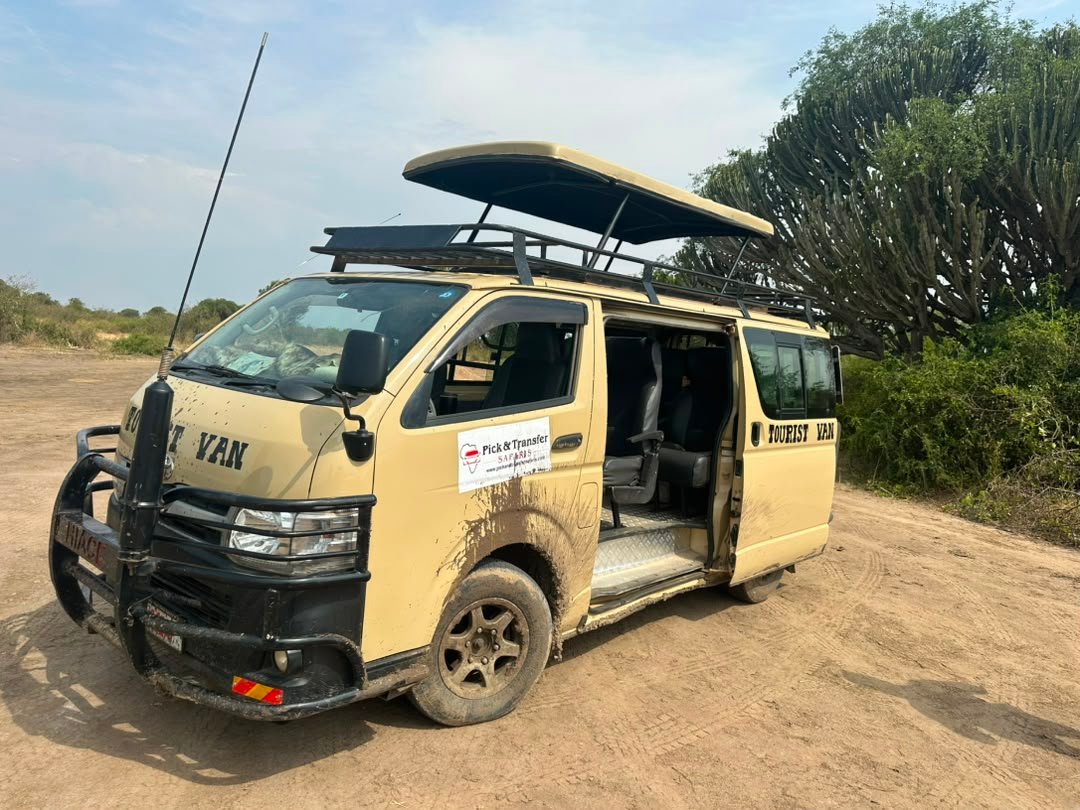
A breakdown on a remote Uganda road is an inconvenience, not a safety emergency — provided you are in a well-maintained vehicle with basic emergency equipment on board. Our Uganda self drive fleet is serviced to a rigorous standard before every rental, GPS-loaded with offline maps, and equipped with spare tyres, a basic tool kit, and 24-hour roadside assistance cover. The most common cause of self drive vehicle problems in Uganda is tyre damage on unpaved road sections — a flat tyre on a remote park approach road is far more likely than a mechanical failure, and knowing how to change a wheel competently before you set out is a worthwhile precaution. Carrying a jerry can of fuel is advisable on any itinerary that takes you to Kidepo Valley National Park or other remote northern destinations where fuel stations are sparse. Letting your lodge or camp know your route and expected arrival time is simple good practice that means someone will make enquiries if you do not arrive when expected.
Personal Safety and Crime
Uganda’s personal safety record for tourists is genuinely good. Violent crime against foreign visitors is rare, and the tourist areas of the self drive circuit — Jinja, Murchison Falls, Queen Elizabeth, Bwindi, Lake Bunyonyi, Kabale — are well-established on the tourism map with local communities that have strong economic reasons to keep visitors safe and welcome. The standard travel common sense that applies anywhere in the world applies here: do not display expensive equipment unnecessarily in urban areas, do not walk alone in unfamiliar areas after dark, lock your vehicle when unattended, and keep your documents and valuables in your accommodation safe. Kampala requires the same awareness that any large African city requires of its visitors, but the national parks and the road network between them are genuinely low-risk environments. Bwindi Impenetrable National Park, Queen Elizabeth National Park, and Murchison Falls National Park all operate with Uganda Wildlife Authority ranger presence and have strong community safety records.
Wildlife Safety on Game Drives
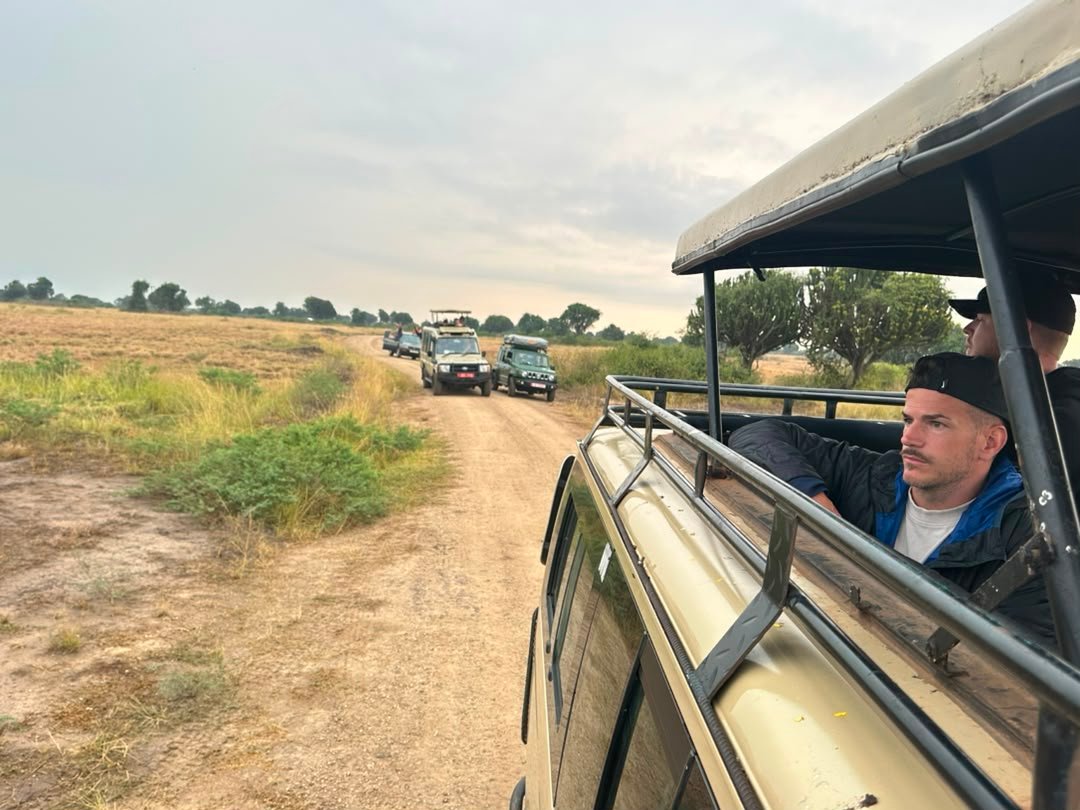
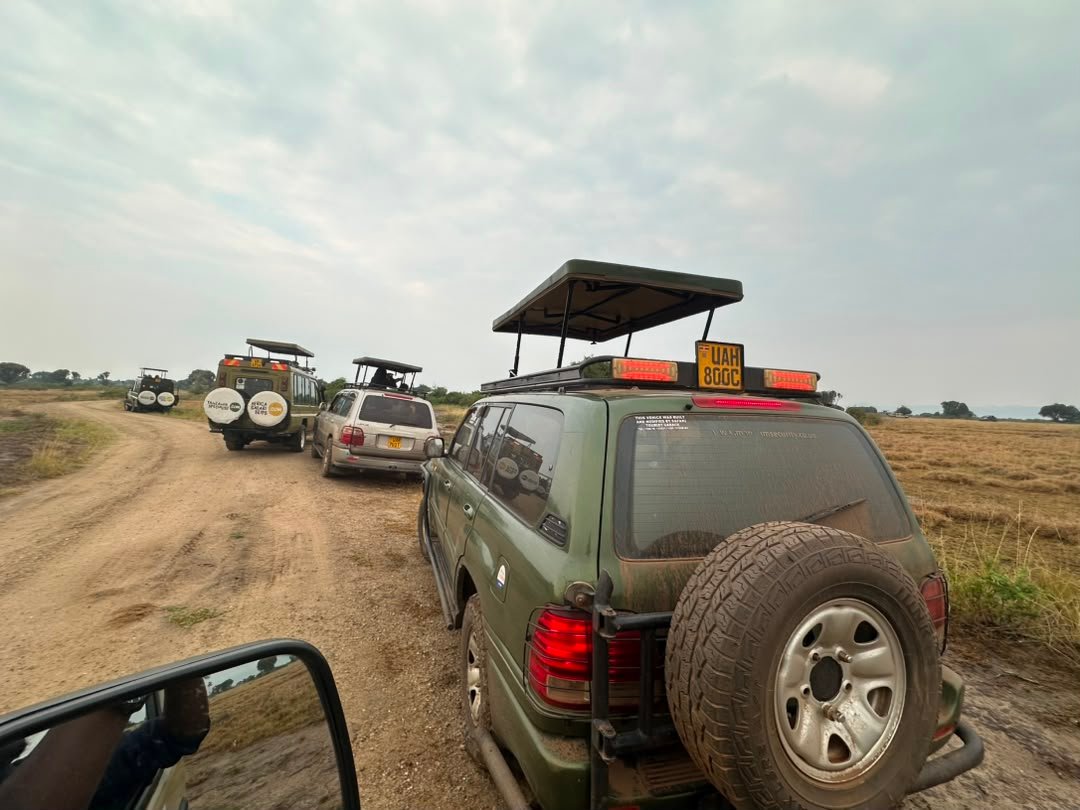
Self drive game drives in Uganda’s national parks are conducted under Uganda Wildlife Authority regulations that are designed to keep both visitors and wildlife safe. The practical rules — staying in your vehicle at all times on game drives, not approaching large animals on foot outside designated walking areas, respecting the minimum safe distances from elephants and buffaloes, returning to camp or lodge before park gate closing time — are not bureaucratic formalities but sensible protocols based on real experience of how wildlife behaves. Hippos are the most statistically dangerous animals in East Africa and are encountered regularly at river crossings and lakeside areas on the Queen Elizabeth National Park and Murchison Falls circuits — keep a respectful distance and do not position yourself between a hippo and the water. For gorilla trekking at Bwindi, Uganda Wildlife Authority rangers and guides accompany every group throughout the trek and manage all wildlife interactions professionally.
The Practical Verdict on Uganda Self Drive Safety
Uganda self drive is safe for well-prepared visitors who choose the right vehicle for their itinerary, drive in daylight hours, adjust their driving style to local road conditions, and follow standard travel precautions in urban areas. The risks that are genuinely present — traffic on main highways, demanding approach roads in the wet season, limited services on remote northern routes — are all manageable with the right vehicle, the right planning, and the right mindset. The risks that are commonly feared by first-time visitors — crime, instability, dangerous wildlife encounters — are significantly lower in practice than reputation might suggest. Browse our Uganda safari packages and self drive car hire options, or contact our team today to discuss your specific itinerary and get honest, practical advice on what to expect on Uganda’s roads.
Related posts

Leave a Comment