
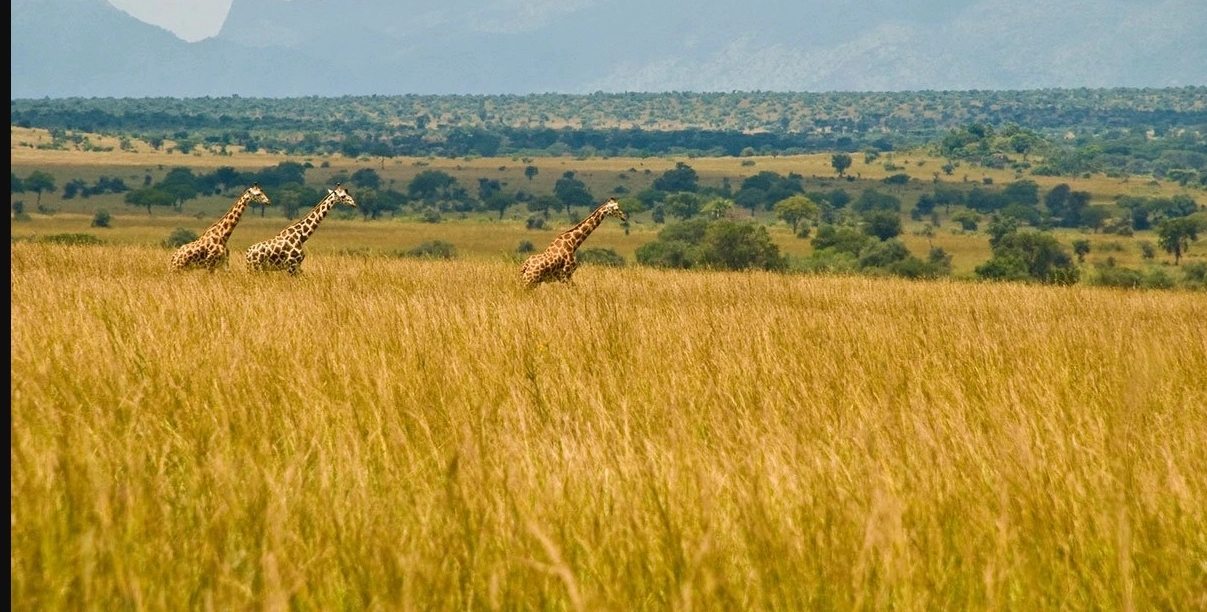
Kidepo Valley National Park. Deep in the remote northeastern corner of Uganda, where the borders of Uganda, South Sudan, and Kenya meet, lies a park so breathtaking that CNN named it possibly the most picturesque national park in Africa. Kidepo Valley National Park is a land of sweeping semi-arid savannahs, dramatic mountain ranges, ancient riverbeds, and a staggering concentration of wildlife rarely seen elsewhere on the continent. For adventurous travellers seeking the raw pulse of the African wilderness, Kidepo is not just a destination — it is an experience that redefines what a safari can be.
Whether you are planning a self-drive safari in Uganda or joining a guided tour, Kidepo Valley National Park deserves the very top of your bucket list. At Self Drive Safaris Uganda, we help travellers explore this extraordinary park on their own terms, with the right vehicles, itineraries, and guidance to make every kilometer count.
Where Is Kidepo Valley National Park Located?
Kidepo Valley National Park sits within the Karamoja region of northeastern Uganda, approximately 700 kilometres from Kampala. Established as a national park in 1962 — though previously a game reserve since 1958 — the park covers a vast area of 1,442 square kilometres of rocky, semi-arid landscape. It is bordered to the north by South Sudan and to the east by Kenya, making it Uganda’s most remote and least visited national park.
The park is divided into two principal valleys: the Narus Valley in the south, which serves as the heart of game viewing, and the Kidepo Valley in the north, a drier and more rugged terrain that bursts into life when the rains arrive. Towering above both valleys is Mount Morungole, rising to 2,750 metres and forming a dramatic backdrop to the park’s already spectacular scenery. The Uganda Wildlife Authority, which manages Kidepo under four conservation zones, has worked tirelessly to preserve this wilderness for future generations.
Wildlife: The Animals That Make Kidepo Unique
What truly sets Kidepo Valley National Park apart from any other protected area in Uganda is its exceptional wildlife diversity. The park is home to over 77 mammal species, and approximately 28 of these are found nowhere else in Uganda. This includes lions, cheetahs, African wild dogs, leopards, elephants, Cape buffaloes, Burchell’s zebras, Rothschild’s giraffes, ostriches, bat-eared foxes, aardwolves, caracals, and the greater and lesser kudus.
The Narus Valley is where game concentrations peak, particularly during the dry season when animals gather around the Narus River and the watering holes near the Apoka Tourism Centre. Lions are often spotted resting on rocky outcrops near the Apoka Safari Lodge, and during early morning game drives, cheetahs can be seen scanning the open plains. The Kidepo River Valley, though largely dry for much of the year, transforms into a breathtaking corridor of borassus palms and wildlife activity when the rains arrive.
Kidepo is also one of the very few places in Uganda where you can see the striped hyena, the bat-eared fox, and the aardwolf — species that have disappeared from most other Ugandan parks. For wildlife lovers visiting Uganda, nothing quite matches the thrill of encountering this depth of biodiversity in a single park. You can explore more about Uganda’s wildlife destinations in our Uganda safari destinations guide.
Birdwatching in Kidepo Valley National Park
With over 475 confirmed bird species, Kidepo Valley National Park is one of Uganda’s finest birding destinations and ranks second in the country for bird diversity after Queen Elizabeth National Park. The park’s semi-arid ecosystem supports species that are simply not found in Uganda’s wetter national parks, making it an unmissable stop for serious birders.
Over 56 raptor species have been recorded here, making the skies above Kidepo as dramatic as the plains below. Among the most prized sightings are the ostrich — the only wild population in Uganda — the Abyssinian roller, the black-breasted snake eagle, the pygmy falcon, the African grey hornbill, and the spectacular African rose-ringed parakeet. Kidepo is also home to East Africa’s only population of Clapperton’s francolin.
The wet season, from April to August, is considered the best time for birdwatching as migratory birds arrive and resident species are in full breeding plumage. However, the dry season offers excellent visibility and more predictable wildlife activity for those combining birding with game drives.
Top Activities to Enjoy in Kidepo Valley National Park
Game drives are the signature activity in Kidepo, conducted through the Narus and Kidepo Valleys on well-maintained game tracks. Early morning drives, departing before 7 a.m., offer the greatest chance of encountering predators on the move. For those exploring the park independently, check out our self-drive safari car hire options to find the ideal 4×4 vehicle for navigating Kidepo’s rugged terrain.
Nature walks and guided hikes provide a completely different perspective of the landscape. Visitors can walk along the sandy banks of the Kidepo River, flanked by towering borassus palms, or hike into the Namamkweny Valley, just one hour from Apoka. For longer adventures, ranger-escorted hikes into the Morungole Mountain range offer stunning views and encounters with the park’s quieter corners.
A visit to the Kanangorok Hot Springs, located 11 kilometres beyond the Kidepo River near the South Sudan border, is a highlight many visitors overlook. These natural geothermal springs set against the remote wilderness landscape are a truly magical experience.
Cultural encounters with the Karamojong and the IK people (Ik tribe) add remarkable depth to any Kidepo safari. The Lorukul Cultural Group, situated just outside the park, welcomes visitors to their traditional manyattas (homesteads), where they can learn about cattle herding, granary traditions, and the warrior culture of the Karamojong. The IK people of Mount Morungole, one of Uganda’s smallest and most marginalised communities, can be visited on prearranged hikes, offering an intimate window into a way of life that has survived centuries of hardship.
Best Time to Visit Kidepo Valley National Park
Kidepo Valley National Park can be visited throughout the year, but the experience varies significantly depending on the season. The dry season, running from September to March, is widely regarded as the best time for wildlife viewing. During these months, the rivers (except the Narus) dry up, the grasses remain short, and animals concentrate around the remaining water sources, making sightings frequent and spectacular.
The wet season, from April to August, brings lush green scenery, cooler temperatures, and exceptional birdwatching. However, the roads can become challenging, and a robust 4×4 vehicle with good ground clearance is essential. For travellers planning a self-drive adventure during the rains, our team at Self Drive Safaris Uganda can advise on the best vehicles and route planning to ensure a safe and rewarding journey.
For the best of both worlds — outstanding wildlife and comfortable conditions — December to February is considered the prime window for a Kidepo safari.
How to Get to Kidepo Valley National Park
Getting to Kidepo is part of the adventure. The park is accessed from two main entry points: Lokumoit Gate for travellers arriving from the southwest via Gulu and Kitgum, and Nataba Gate for those approaching from the southeast. A charter flight to Lomej Airstrip, just 3 kilometres from the Apoka main offices, is the fastest option and takes approximately 2 hours from Entebbe.
For self-drive enthusiasts, the road journey from Kampala takes roughly 9 to 10 hours via Gulu and Kitgum, passing through some of Uganda’s most extraordinary northern landscapes. A 4×4 vehicle is strongly recommended, particularly for the final sections of road leading into the park. The journey itself offers wonderful countryside scenery and the chance to experience Uganda’s diverse north.
Where to Stay in Kidepo Valley National Park
Accommodation inside and near the park is deliberately limited, which is part of what preserves Kidepo’s exclusive and unhurried atmosphere. Apoka Safari Lodge is the park’s most luxurious option, perched on a rocky hill with sweeping views over the Narus Valley — lions have been known to rest on the rocks just below the lodge. Nga’Moru Wilderness Camp and Kidepo Savannah Lodge offer excellent mid-range comfort, while Apoka Rest Camp, managed by the Uganda Wildlife Authority, provides affordable and functional accommodation for budget-conscious travellers.
It is strongly advisable to book well in advance, particularly during the dry season peak months of December to February, as accommodation fills up quickly.
Why Kidepo Valley National Park Is Uganda’s Hidden Gem
Kidepo Valley National Park is frequently cited by Lonely Planet, CNN Travel, and Africa Geographic as one of the finest national parks on the entire African continent — and yet it remains blissfully uncrowded. Its remoteness, which deters many travellers, is precisely what makes it so extraordinary. The wildlife is abundant and undisturbed. The landscapes are vast and cinematic. The cultural encounters are genuine and deeply moving.
For travellers who want to experience the Africa of their imagination — wild, raw, and untamed — Kidepo is without equal. Combined with Uganda’s other iconic destinations such as Bwindi Impenetrable Forest for gorilla trekking, Queen Elizabeth National Park, or Murchison Falls, a safari to Kidepo can form part of an unforgettable grand Uganda circuit. Explore our Uganda safari packages to start planning your adventure today.
The Uganda Tourism Board actively promotes Kidepo as a flagship destination, and with good reason. There is no other park quite like it in East Africa.
Related posts




Leave a Comment